Video library
Colorectal health, explained
43 short videos on the conditions patients ask about most — what they are, why they happen, and what treatment actually involves. Recorded and reviewed by Dr. Kamrava.
Allen Kamrava, MD, MBA, FACS, FASCRS· Board-certified in Colon & Rectal Surgery and General Surgery· Reviewed
 What is a Rectal Neuroendocrine Tumor? Understanding Slow-Growing TumorsThe content focuses on rectal neuroendocrine tumors (rectal NETs), which are slow growing (indolent) growths starting in neuroendocrine cells. They are often found incidentally during routine colonoscopy, as most patients have no symptoms. Although sometimes called "carcinoid" tumors, their behavior is typically much less aggressive than standard colon cancer. Size is the most important factor for determining treatment and prognosis. Small tumors (under 1 cm) have an excellent prognosis (near 100% 5-year survival rate) and are usually removed during endoscopy. Medium tumors (1–2 cm) are usually treated with local excision, and large tumors (over 2 cm) require more formal surgery.
 Colon Polyps: Good News, Not Bad NewsThis explainer clarifies that a colon polyp, or adenoma, is simply a small growth on the inside lining of the colon and is not cancer. Polyps form through a slow journey (taking a decade or longer) initiated by genetic changes or "typos" in the cell's DNA, which can cause cells to grow unchecked. Most colorectal cancers (about 80%) are sporadic, resulting from random genetic mistakes over a lifetime, rather than inherited genes. Lifestyle factors, such as high intake of red/processed meats or alcohol and lack of physical activity, can increase risk, while whole grains, dairy, and regular activity are protective. Screening, ideally starting at age 45 for average-risk individuals, is the solution. The colonoscopy is the best tool because it allows doctors to remove the polyp (polypectomy) immediately, thereby actively preventing potential cancer.
 Colorectal Cancer Basics: Prevention, Screening, and TreatmentThis guide covers the essentials of colorectal cancer, which is the third most common cancer globally, emphasizing that it is often preventable and highly treatable if caught early. Colorectal cancer is a cancer that begins in the large intestine (colon and rectum) when errors (mutations) in the genes cause cells to grow and divide out of control. Most cases (about 80%) are sporadic, while approximately 20% are inherited. The cancer typically begins as a benign growth called a polyp, and the slow progression from polyp to cancer (which takes several years) offers a critical "window of opportunity" for screening and prevention. Current recommendations suggest starting screening at age 45 for people at average risk. Treatment is personalized based on the cancer stage and genetic makeup, utilizing tools such as surgery (the cornerstone), chemotherapy, targeted therapy, and immunotherapy.
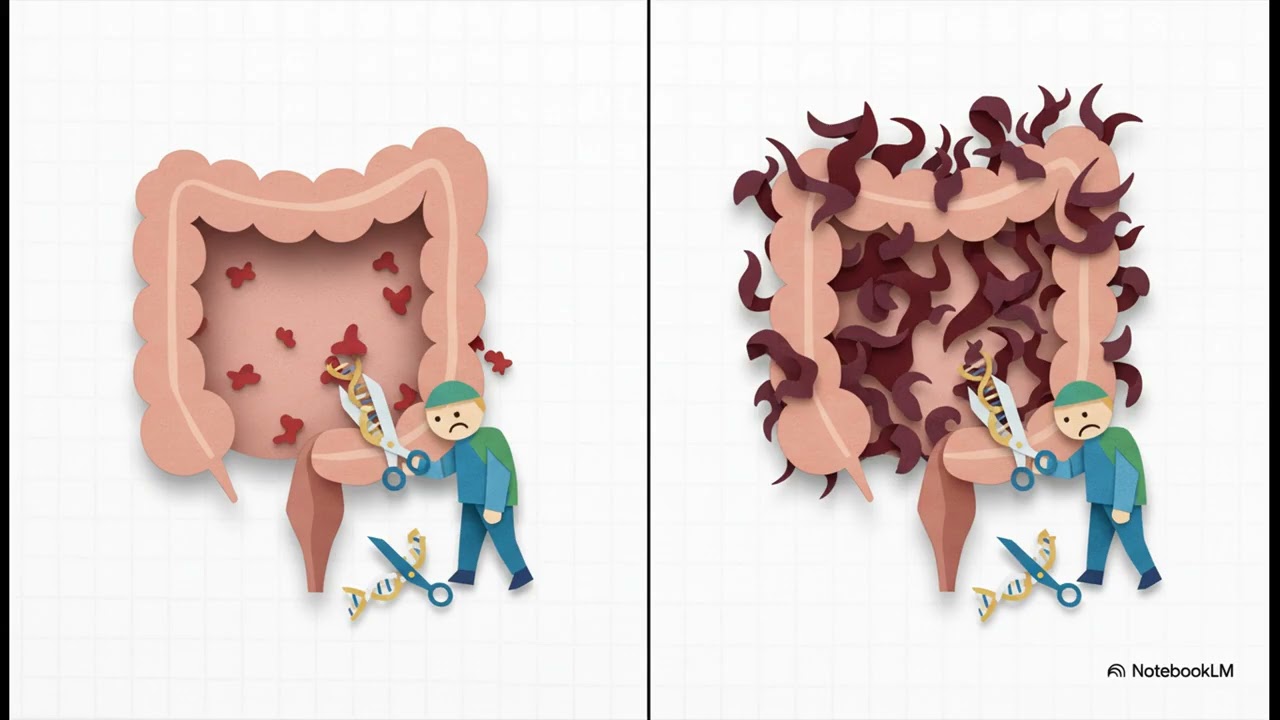 Familial Adenomatous Polyposis (FAP): Managing Hundreds of Colon GrowthsThe content explains Familial Adenomatous Polyposis (FAP), a rare inherited condition defined by the presence of more than 100 polyps (adenomas) in the colon and rectum, often starting at a young age. FAP is caused by a mutation in the APC gene, which normally controls cell growth. If the condition is not managed proactively, the risk of developing colorectal cancer is nearly 100%. While 75% of cases are inherited, 25% occur as a brand new mutation. Proactive management is crucial, involving colonoscopies starting around puberty and upper endoscopies later. The most important step is preventative surgery to remove the colon and/or rectum to stop cancer before it develops. Due to the widespread effect of the APC gene mutation, FAP can also lead to polyps in the stomach/small intestine, a higher risk for thyroid cancer, and serious, non-cancerous desmoid tumors.
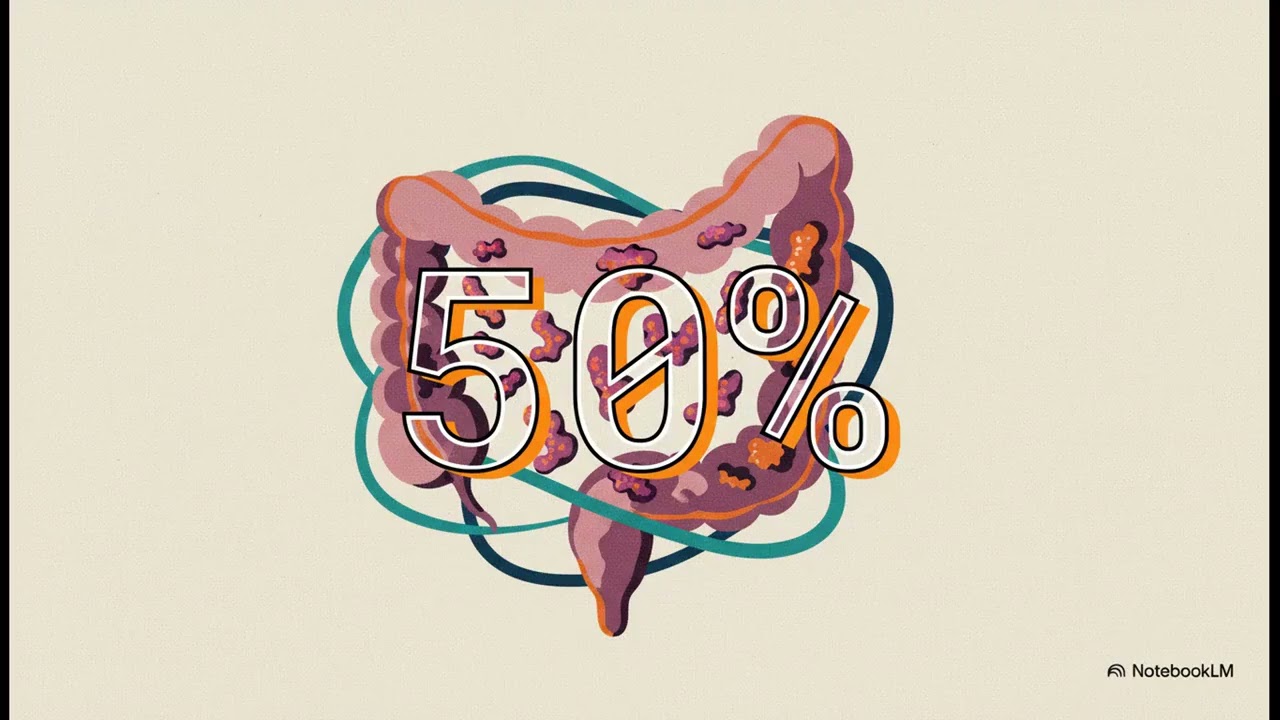 Serrated Polyposis Syndrome (SPS): Managing Many Serrated PolypsThis video explains Serrated Polyposis Syndrome (SPS), the most common type of polyposis syndrome. The name describes the condition of having a "bunch of polyps" that look jagged or "serrated" under a microscope. Diagnosis relies on specific WHO criteria, such as the "5 and 2 rule" or the "20 plus rule" (a lifetime count of more than 20 serrated polyps). SPS carries a lifetime risk of advanced, potentially cancerous growths up to 50%. However, this risk is drastically lowered by the management plan, which involves intensive surveillance (colonoscopies every 1 to 3 years) following initial clearance of all visible polyps. Key actions for patients include quitting smoking, as there is a very strong link between smoking and SPS, and informing family members about the need for screening.