Video library
Colorectal health, explained
43 short videos on the conditions patients ask about most — what they are, why they happen, and what treatment actually involves. Recorded and reviewed by Dr. Kamrava.
Allen Kamrava, MD, MBA, FACS, FASCRS· Board-certified in Colon & Rectal Surgery and General Surgery· Reviewed
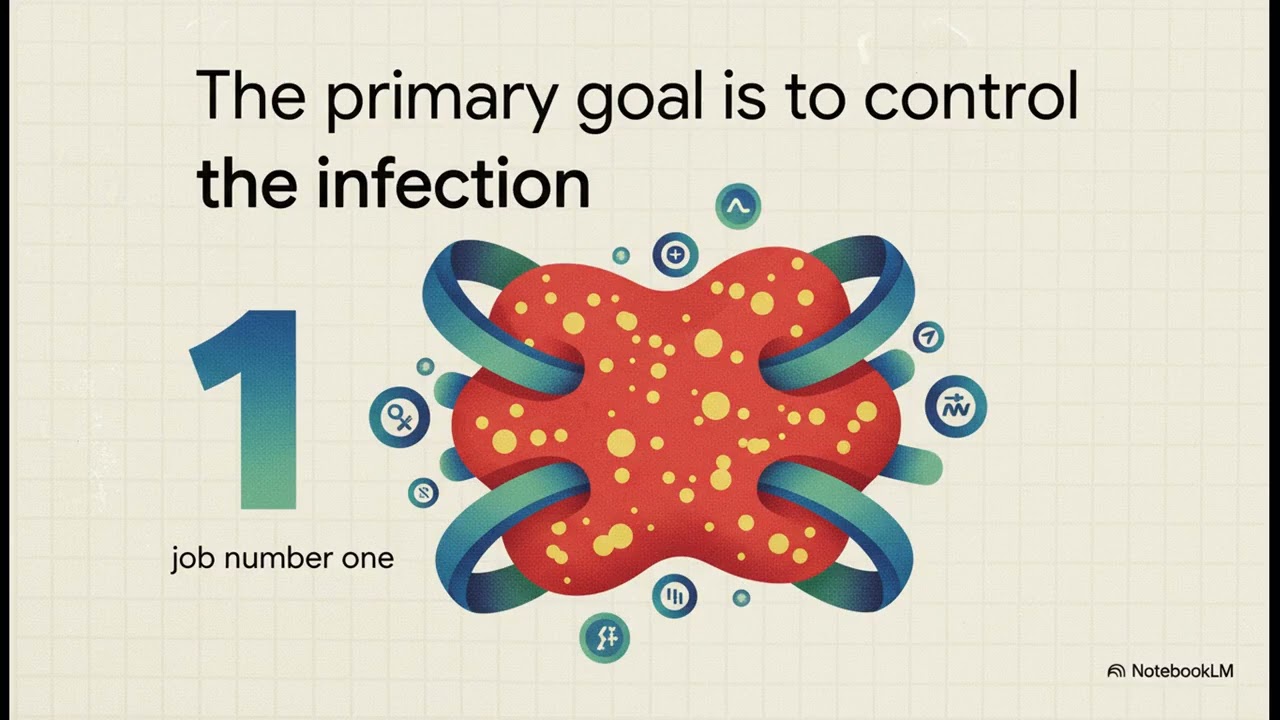 Understanding and Treating Crohn's Disease in the Anal AreaThis guide focuses on Perianal Crohn's disease, which affects 13% to 38% of people with Crohn's. Symptoms include persistent pain, swelling, drainage, and bleeding. Diagnosis utilizes physical exam, MRI (to map the internal structure), and sometimes an Exam Under Anesthesia (EUA) for thorough checking without pain. Treatment follows the "golden rule": eliminating active infection first. Abscesses (painful pockets of pus) require quick surgical drainage for pain relief and infection control. Fistulas (small tunnels) are treated with a combined approach: medical therapy using Biologics (Anti-TNF drugs) to address the underlying inflammation, and surgical placement of a seton (a soft drain) to allow for clean, slow healing and prevent recurrence. Other associated issues (fissures, ulcers) are usually managed by treating the underlying Crohn's. The overall treatment goal is eliminating pain and infection while preserving normal bowel function and improving the patient’s quality of life.
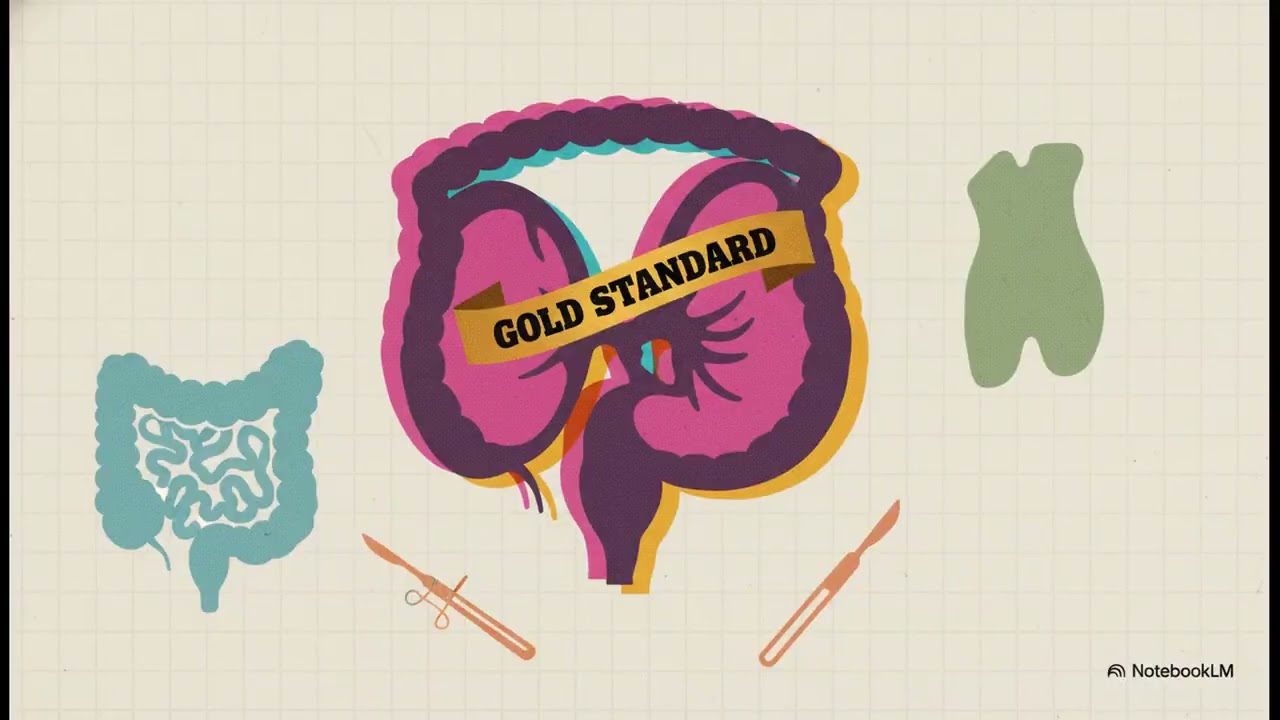 Ulcerative Colitis: When to Consider Surgery (J-Pouch Explained)This guide focuses on Ulcerative Colitis (UC), an IBD where inflammation is confined to the innermost lining (mucosa) of the large intestine. Surgery is a common, proactive option for about 3 out of 10 people with UC during their lifetime. Reasons for elective surgery include medication failure, intolerable side effects, or managing the increased risk of colorectal cancer (which jumps to 18% after 30 years with UC). The gold standard procedure is the J-pouch (Ileoanal Pouch Anastomosis or IPAA), which involves 1) removing the diseased colon/rectum, 2) folding the small intestine (ilium) into a J-shaped pouch, and 3) reconnecting the pouch to the anus to restore the natural pathway. It is emphasized that UC patients experiencing worsening symptoms must always be checked for a separate infection, such as C. diff or CMV, as mistakenly treating an infection with immunosuppressants can be dangerous.
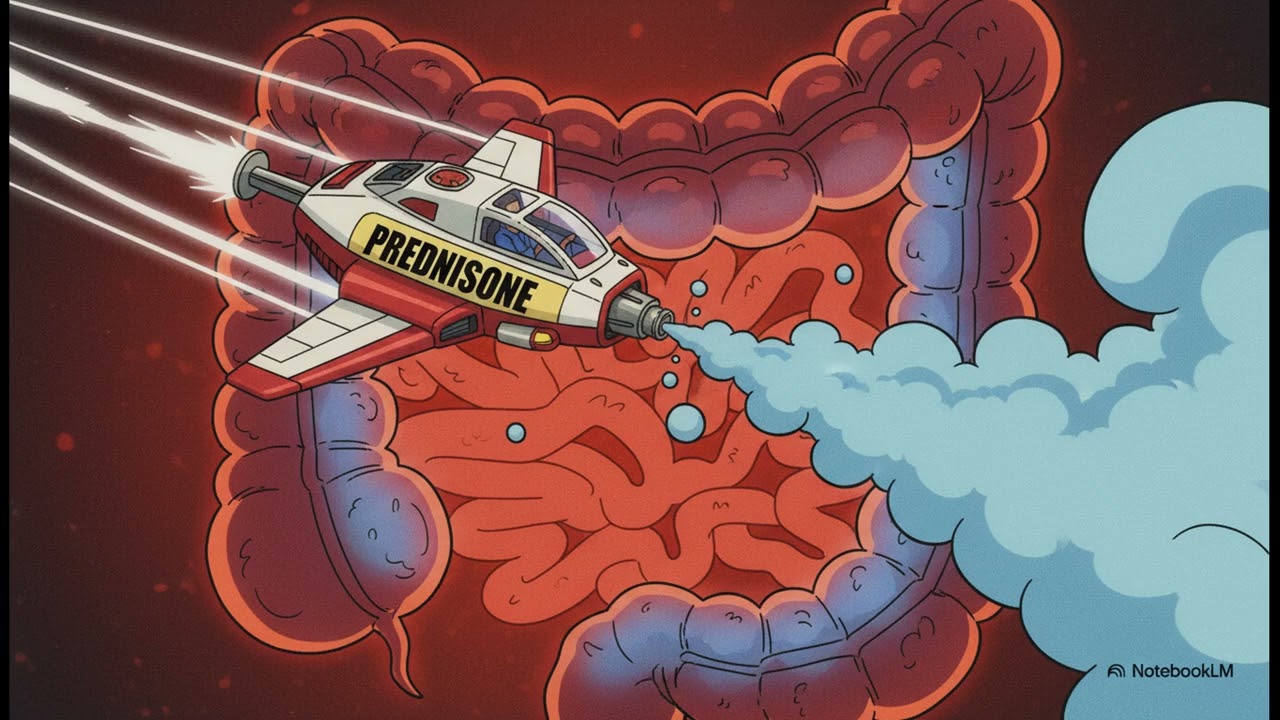 Crohn's Colitis: Explained Simply (A Beginner's Guide)This explainer defines Crohn's colitis as a type of Inflammatory Bowel Disease (IBD) where Crohn's disease is specifically located in the colon. Unlike ulcerative colitis, Crohn's inflammation affects the entire thickness of the bowel wall. It is an autoimmune condition where the body's security team mistakenly attacks healthy colon cells. The two main treatment goals are inducing remission (calming flare-ups immediately) and maintaining remission (long-term prevention of future flare-ups). Medications are categorized as a "toolkit": corticosteroids (fast-acting, short-term use), immunomodulators (long-term, steroid-sparing plan), and biologics (targeted, modern drugs for moderate to severe disease). Surgery is presented as an effective, strategic tool (not a sign of failure or last resort) used to manage complications like blockages or fistulas, or when medicines fail. Ongoing, proactive care ("treat-to-target") is necessary because even after surgery, inflammation returns in up to 90% of patients within three years if they are not on medical therapy.
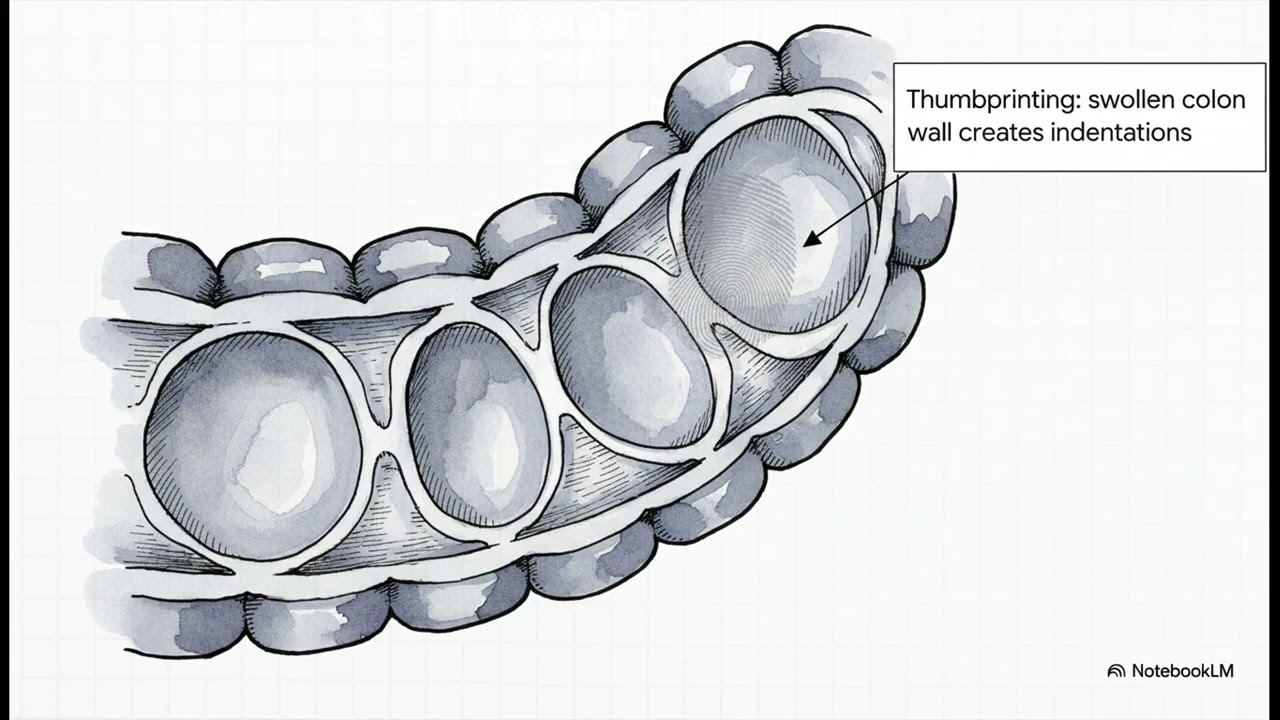 Ischemic Colitis: Understanding the Sudden Belly Pain and RecoveryIschemic colitis is caused by a temporary dip in blood flow to the small blood vessels of the colon, leading to inflammation and symptoms. It is critical to differentiate this temporary condition, which affects small vessels, from mesenteric ischemia, which involves major blood vessels and often requires emergency surgery. The condition frequently affects "watershed areas" in the colon—spots at the end of the blood supply line. Symptoms include sudden belly pain and bleeding. Diagnosis involves a physical exam, CT scan (which may show inflammation and "thumb printing"), and colonoscopy. For most people (over 80%), the condition is treatable with simple supportive care and no surgery. Supportive care includes bowel rest, IV fluids, and preventative antibiotics. The prognosis is very good, with a full recovery typically occurring within 1 to 2 weeks for the majority of patients.