Video library
Colorectal health, explained
43 short videos on the conditions patients ask about most — what they are, why they happen, and what treatment actually involves. Recorded and reviewed by Dr. Kamrava.
Allen Kamrava, MD, MBA, FACS, FASCRS· Board-certified in Colon & Rectal Surgery and General Surgery· Reviewed
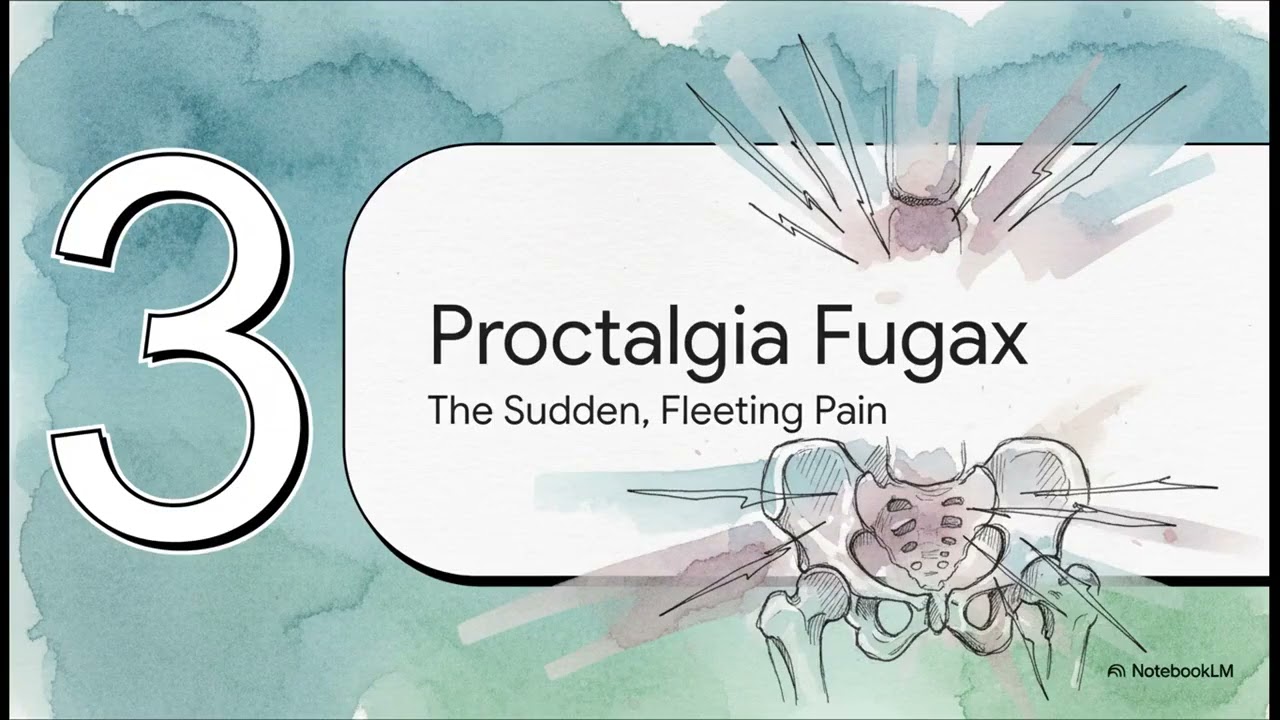 Deep Rectal Pain: Functional Causes (Spasms) & TreatmentThis content addresses functional anorectal pain, meaning pain caused by the function of muscles and nerves rather than a visible physical problem. The pain is often linked to the pelvic floor muscles, particularly the U-shaped puborectalis muscle. Two main types are identified based on duration: Levator Ani Syndrome (dull, persistent ache lasting over 30 minutes, often linked to chronically tight muscles and stress) and Proctalgia Fugax (sudden, sharp, fleeting pain lasting under 30 minutes, caused by anal sphincter or nerve spasms). Treatment for Levator Ani Syndrome focuses on muscle relaxation using biofeedback (conscious control training), physical therapy, or sitz baths. For Proctalgia Fugax, treatment involves reassurance (understanding the pain is not dangerous), warm baths, or specific medications like topical creams or albuterol inhalers to stop attacks.
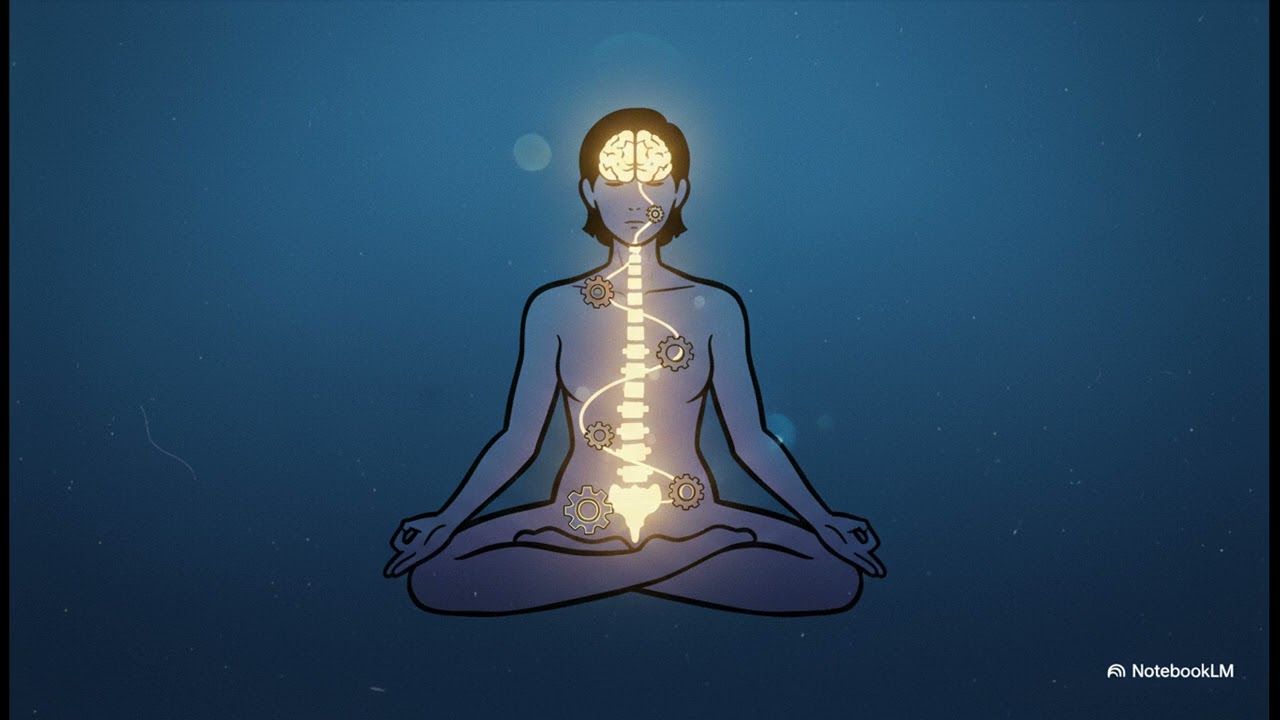 Fecal Incontinence: Stop the Embarrassment and Find TreatmentThe video addresses fecal incontinence, described as a common and distressing medical condition that may affect up to 1 in 5 people. Continence is explained as a "team effort" involving stool consistency, sphincter strength, rectal capacity, and nerve signals. Causes include injury to sphincter muscles (e.g., childbirth), nerve issues (diabetes, spinal cord injury), chronic diarrhea, or radiation therapy. Diagnosis includes a conversation, physical exam, and specialized tests like an anal ultrasound. Treatment is staged, starting with non-invasive options: dietary changes (reducing caffeine), fiber supplements, anti-diarrheal medication, bowel programs, and biofeedback (physical therapy for the pelvic floor). Advanced treatments include Sacral Neuromodulation (SNM) (a device likened to a pacemaker for the bowel), injection of bulking agents to tighten the canal, or sphincteroplasty to repair torn muscles. For patients who have tried everything, ostomy surgery is presented as a means to regain control and quality of life.
 Long-Term Constipation: Is It a Slow Highway or a Blocked Exit?This content explains chronic constipation (symptoms lasting over three months) and divides it into two distinct types using the "highway analogy". 1) Slow Transit Constipation ("Slow Highway") means the colon muscles lack the "oomph" to push waste along. 2) Functional Outlet Obstruction (or dyssynergic defecation, the "Blocked Exit Ramp") means the pelvic floor muscles tense up instead of relaxing at the end of the line. Diagnosis must identify the type. Slow Transit is diagnosed using a SITS marker study (counting tiny plastic rings swallowed by the patient on an X-ray five days later). Functional Outlet Obstruction is diagnosed using specialized tests like Anorectal Manometry or Defecography (a live-action X-ray video). Treatment is specifically tailored: Slow Highway gets laxatives and prescription medications to speed up the colon; Blocked Exit gets muscle retraining, most commonly through Pelvic Floor Physical Therapy using Biofeedback. Surgery is considered a last resort for severe, unresponsive cases.
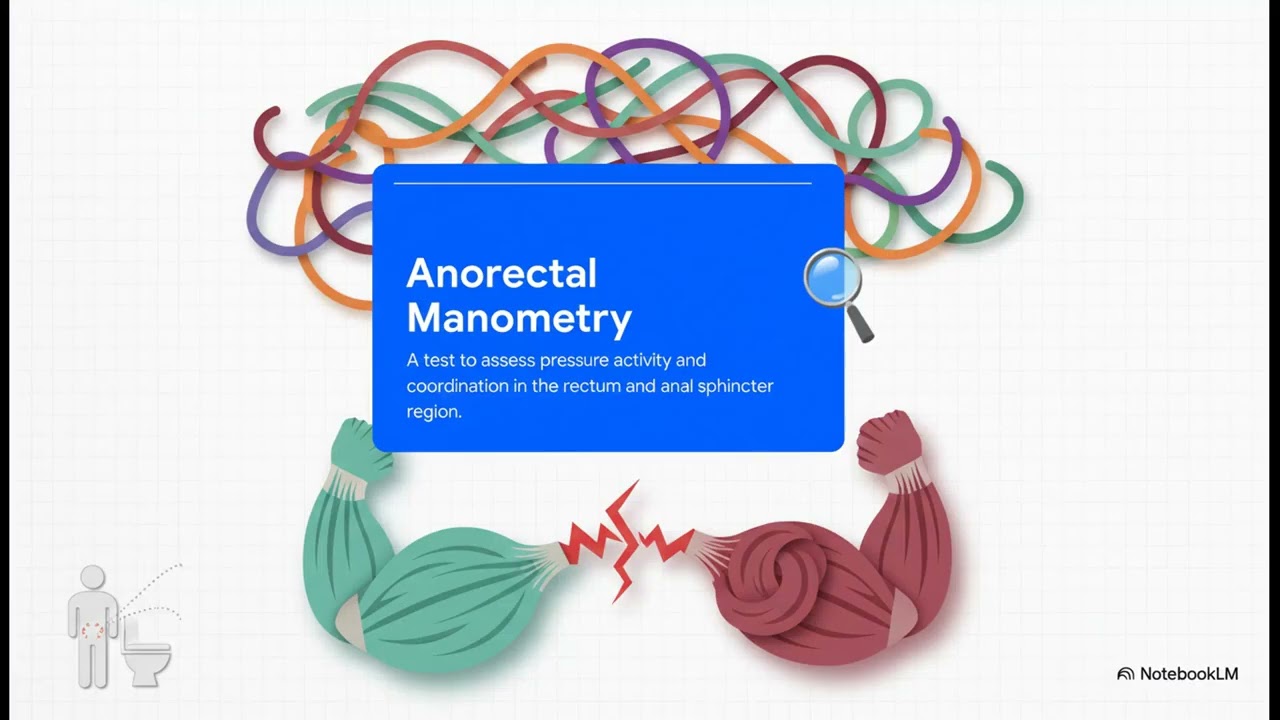 Dyssynergic Defecation: Why Can't I Empty My Bowels? (The Muscle Miscommunication)This content focuses on dyssynergic defecation, a common cause of chronic constipation (affecting up to 20% of people in North America). It results in a feeling of incomplete emptying or an "outlet obstruction". The core problem is a muscle miscommunication. When a person pushes to have a bowel movement, the pelvic floor muscles, which should relax, mistakenly tighten up, creating a blockage. Diagnosis starts with conversation and then involves specialized tests like Anorectal Manometry (to measure muscle pressures) and the Balloon Expulsion Test (to check for mechanical obstruction). Treatment is focused on retraining the body rather than stronger laxatives. The key treatment is specialized physical therapy using Biofeedback, which provides real-time information to help patients consciously learn to relax those pelvic floor muscles. This is a real, measurable condition that can be treated effectively, usually without surgery.