Video library
Colorectal health, explained
43 short videos on the conditions patients ask about most — what they are, why they happen, and what treatment actually involves. Recorded and reviewed by Dr. Kamrava.
Allen Kamrava, MD, MBA, FACS, FASCRS· Board-certified in Colon & Rectal Surgery and General Surgery· Reviewed
 Anal Cancer: Modern Treatment & Favorable OutlookThis explainer provides an overview of anal cancer, defining it as cancer starting in the anus, differentiated by location (anal canal vs. perianal area). Approximately 85% of cases are Squamous Cell Carcinoma. The Human Papillomavirus (HPV) is considered the major driver behind most cases. Diagnosis involves a physical exam, biopsy (the only way to know for sure), imaging scans (CT/PET), and staging (TNM system: Tumor, Nodes, Metastasis). The modern standard of care is combination chemo-radiotherapy, which is highly successful and means that major surgery is typically avoided for the vast majority of patients. Post-treatment, careful monitoring is required for 5 years. The outlook is described as "imminently curable" with "favorable outcomes".
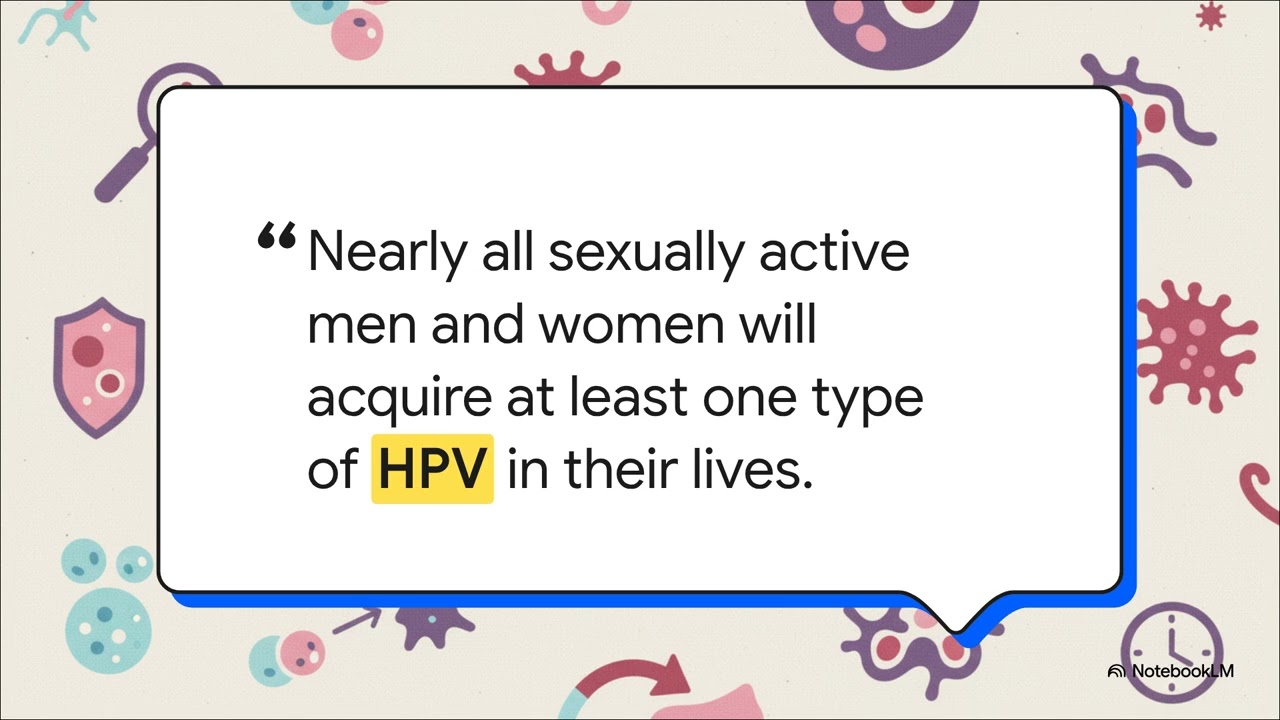 Abnormal Cells and HPV: Understanding AINThis video explains Anal Intraepithelial Neoplasia (AIN), a condition where cells in the anal canal lining appear abnormal. It is defined as a precancerous condition and is very similar to cervical dysplasia. AIN is caused by the Human Papillomavirus (HPV), particularly high-risk types like HPV 16 and 18. Cell changes exist on a spectrum, classified as low-grade lesions (LSIL) or high-grade lesions (HSIL), with doctors primarily focusing on treating HSIL to prevent progression to cancer. Diagnosis starts with anal cytology (similar to a Pap smear). If abnormal cells are found, a High-Resolution Anoscopy (HRA) and biopsy are performed for a definitive diagnosis. Treatment options are personalized: low-grade AIN often involves observation, while high-grade AIN is treated by removing abnormal cells using topical or ablative therapy. Long-term surveillance and follow-up are essential due to the potential for recurrence. The HPV vaccine is highlighted as a powerful tool for prevention.
 Anal Warts (Condyloma Acuminata): HPV, Treatment, and PreventionThis video focuses on anal warts (condyloma acuminata), which are fleshy, non-cancerous growths. They are caused by the Human Papillomavirus (HPV), usually types 6 and 11. The virus is extremely common. Diagnosis typically starts with a visual exam, followed by an anoscopy to check for internal warts, and sometimes a biopsy. The goal of treatment is to remove all visible warts while preserving healthy skin. Treatment options include at-home medicated creams, in-office procedures (freezing/acid), or surgery. Crucially, treatment removes the growths but does not eliminate the underlying HPV virus, meaning recurrence is possible (4% to 29% recurrence rate). The HPV vaccine (Gardasil 9) is identified as the best strategy against HPV and HPV-related cancers. It also briefly addresses the rare and more aggressive variant, Giant Condyloma Acuminata (GCA), which requires wide surgical removal.