Crohn's Colitis: Explained Simply (A Beginner's Guide)
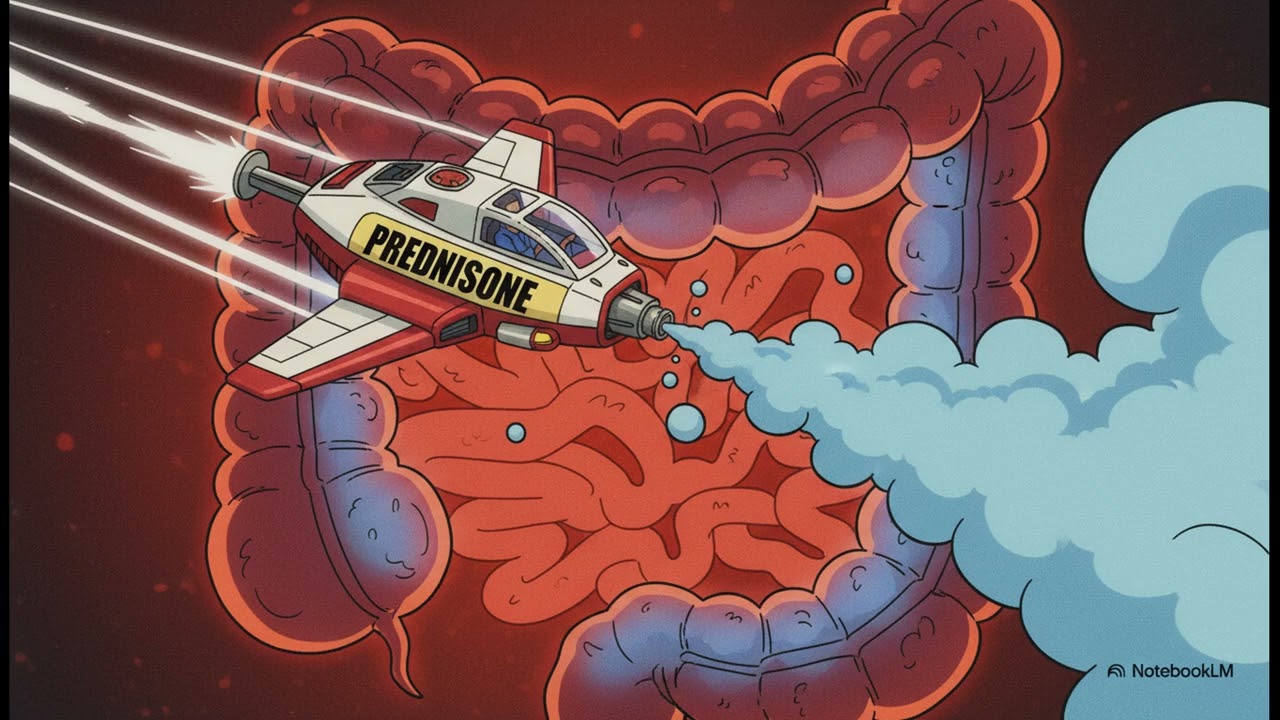
This explainer defines Crohn's colitis as a type of Inflammatory Bowel Disease (IBD) where Crohn's disease is specifically located in the colon. Unlike ulcerative colitis, Crohn's inflammation affects the entire thickness of the bowel wall. It is an autoimmune condition where the body's security team mistakenly attacks healthy colon cells. The two main treatment goals are inducing remission (calming flare-ups immediately) and maintaining remission (long-term prevention of future flare-ups). Medications are categorized as a "toolkit": corticosteroids (fast-acting, short-term use), immunomodulators (long-term, steroid-sparing plan), and biologics (targeted, modern drugs for moderate to severe disease). Surgery is presented as an effective, strategic tool (not a sign of failure or last resort) used to manage complications like blockages or fistulas, or when medicines fail. Ongoing, proactive care ("treat-to-target") is necessary because even after surgery, inflammation returns in up to 90% of patients within three years if they are not on medical therapy.


