Serrated Polyposis Syndrome (SPS): Managing Many Serrated Polyps
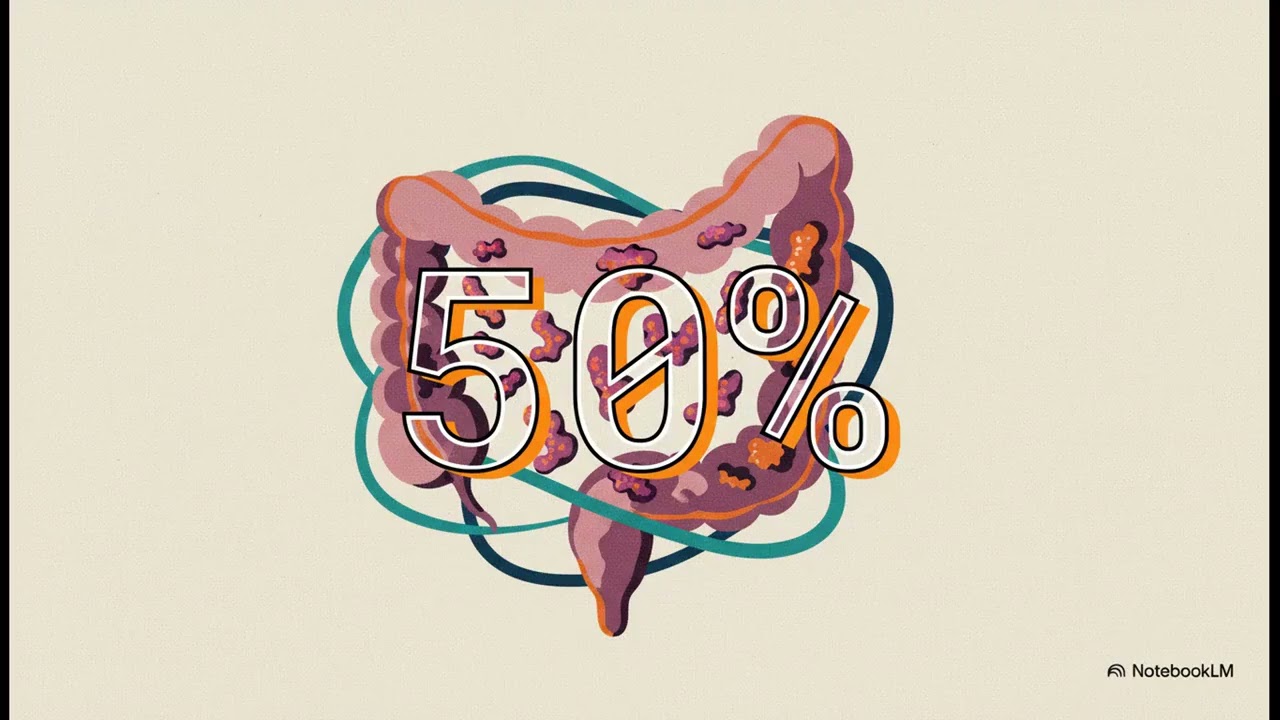
This video explains Serrated Polyposis Syndrome (SPS), the most common type of polyposis syndrome. The name describes the condition of having a "bunch of polyps" that look jagged or "serrated" under a microscope. Diagnosis relies on specific WHO criteria, such as the "5 and 2 rule" or the "20 plus rule" (a lifetime count of more than 20 serrated polyps). SPS carries a lifetime risk of advanced, potentially cancerous growths up to 50%. However, this risk is drastically lowered by the management plan, which involves intensive surveillance (colonoscopies every 1 to 3 years) following initial clearance of all visible polyps. Key actions for patients include quitting smoking, as there is a very strong link between smoking and SPS, and informing family members about the need for screening.


