Colon and Rectum
Serrated Polyposis Syndrome
Serrated Polyposis Syndrome is a condition characterized by multiple serrated polyps in the colon, increasing the risk of developing colorectal cancer.
Reviewed by Allen Kamrava, MD, MBA, FACS, FASCRS · Last reviewed 2025-10-12
Overview
What is Serrated Polyposis Syndrome?
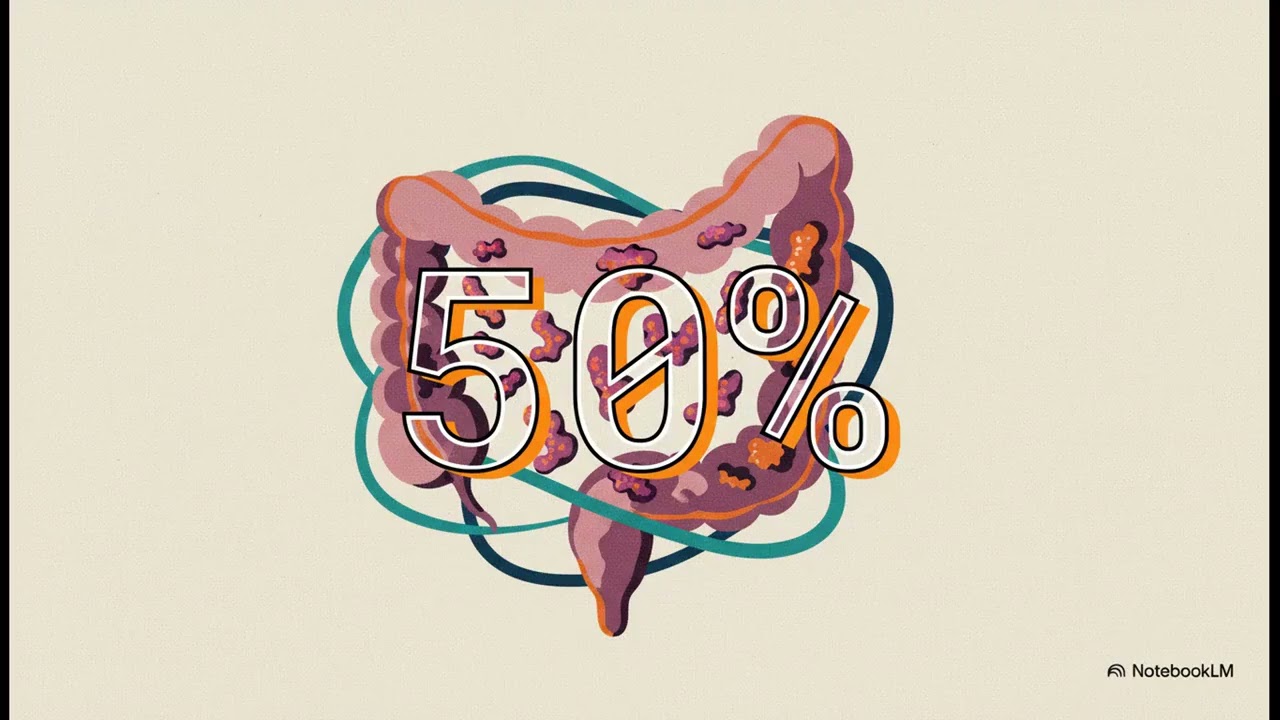
Serrated Polyposis Syndrome (SPS), previously known as hyperplastic polyposis syndrome, is a condition defined by the presence of multiple and/or large serrated polyps throughout the colon. Serrated polyps are a specific type of polyp that, unlike traditional adenomas, can sometimes develop into colorectal cancer through a different molecular pathway. Individuals with SPS have a significantly increased lifetime risk of developing colorectal cancer, estimated to be as high as 25-50%. The underlying genetic cause of SPS is not yet fully understood for most cases, but it is considered the most common of the colorectal polyposis syndromes.
Symptoms
Does SPS cause symptoms?
Like other polyp syndromes, SPS is usually asymptomatic. The condition is most often discovered during a screening colonoscopy. When symptoms do occur, they are non-specific and can include rectal bleeding, anemia, or changes in bowel habits. A significant family history of polyps or colorectal cancer may also be a clue.
Causes & risk factors
What causes Serrated Polyposis Syndrome?
The exact cause of SPS is unknown for the majority of patients. It is not as clearly defined by a single gene mutation as syndromes like FAP or Lynch syndrome. However, a genetic predisposition is suspected as about a third of patients have a first-degree relative with either SPS or colorectal cancer. A strong association with smoking has been identified. In rare families, mutations in genes like RNF43 have been found, but for most people, the genetic basis remains unclear. The cancer risk in SPS is thought to come from the 'serrated pathway,' which involves specific genetic changes like mutations in the BRAF gene and a process called CpG island methylation (CIMP).
When to see a doctor
How is SPS diagnosed?
The diagnosis of SPS is based on specific clinical criteria set by the World Health Organization (WHO), which relate to the number and size of serrated polyps found on colonoscopy. You may be diagnosed with SPS if you meet one of the following criteria in your lifetime:
- Criterion 1: At least 5 serrated polyps proximal to the rectum, with at least two of them being 10 mm or larger.
- Criterion 2: More than 20 serrated polyps of any size distributed throughout the entire colon.
Diagnosis & tests
What are serrated polyps?
Serrated polyps are a category of polyps that have a sawtooth or 'serrated' appearance under the microscope. The main types include:
- Hyperplastic Polyps: Usually small and located in the rectum and sigmoid colon, with very low malignant potential.
- Sessile Serrated Lesions (SSLs): Also called sessile serrated adenomas/polyps, these are typically flat, located in the right side of the colon, and can be difficult to see during colonoscopy. They are considered pre-cancerous.
- Traditional Serrated Adenomas (TSAs): These are less common but are also pre-cancerous.
Diagnosis is made by a pathologist who examines the polyps removed during a colonoscopy.
Treatment
How is SPS managed?
The goal of managing SPS is to prevent colorectal cancer through intensive surveillance and removal of polyps.
- Colonoscopy: The mainstay of management is high-quality colonoscopy with removal of all visible polyps larger than 5mm. Because serrated polyps can be subtle and difficult to see, techniques like chromoendoscopy (using dye to highlight polyps) may be used.
- Surveillance Interval: After clearing the colon of polyps, surveillance colonoscopy is recommended every 1 to 3 years, depending on the number and size of the polyps found.
- Surgery: If the number of polyps is too high to be safely and effectively managed by colonoscopy, or if cancer or high-grade dysplasia is found, surgical removal of the colon may be recommended. The extent of surgery (segmental colectomy vs. total colectomy) is an individualized decision based on the location and burden of the polyps.
Self-care
Lifestyle and Prevention
Given the strong link between smoking and SPS, smoking cessation is a critical part of managing the condition. It is also important for first-degree relatives (parents, siblings, and children) of someone with SPS to be aware of their increased risk.
- Screening for Relatives: First-degree relatives should be advised to begin colonoscopy screening at age 40, or 10 years younger than the age at which their family member was diagnosed with SPS, whichever is earlier. Surveillance should then be repeated every 5 years.
Frequently asked questions
Is SPS the same as having a few hyperplastic polyps?
No. Having one or two small hyperplastic polyps found on a routine colonoscopy is very common and is not the same as SPS. SPS is a specific diagnosis based on finding a much larger number and/or larger size of serrated polyps throughout the colon.
Is SPS hereditary?
While a clear single-gene cause has not been found for most cases, there is evidence of a familial risk. First-degree relatives of individuals with SPS have about a five-fold increased risk of developing colorectal cancer. This is why screening for these relatives is so important.
References
- Glasgow SC, Hardiman KM. Sporadic and Inherited Colorectal Cancer: How Epidemiology and Molecular Biology Guide Screening and Treatment. In: Steele SR, Hull TL, Hyman N, Maykel JA, Read TE, Whitlow CB, eds. The ASCRS Textbook of Colon and Rectal Surgery. 4th ed. Springer; 2022:407-408.
- Cleveland Clinic. Serrated Polyps. Accessed September 28, 2026. https://my.clevelandclinic.org/health/diseases/17462-serrated-polyps
- Crockett SD, Nagtegaal ID. Terminology, Molecular Features, Epidemiology, and Management of Serrated Colorectal Neoplasia. Gastroenterology. 2019;157(4):949-966.e4.