Familial Adenomatous Polyposis (FAP): Managing Hundreds of Colon Growths
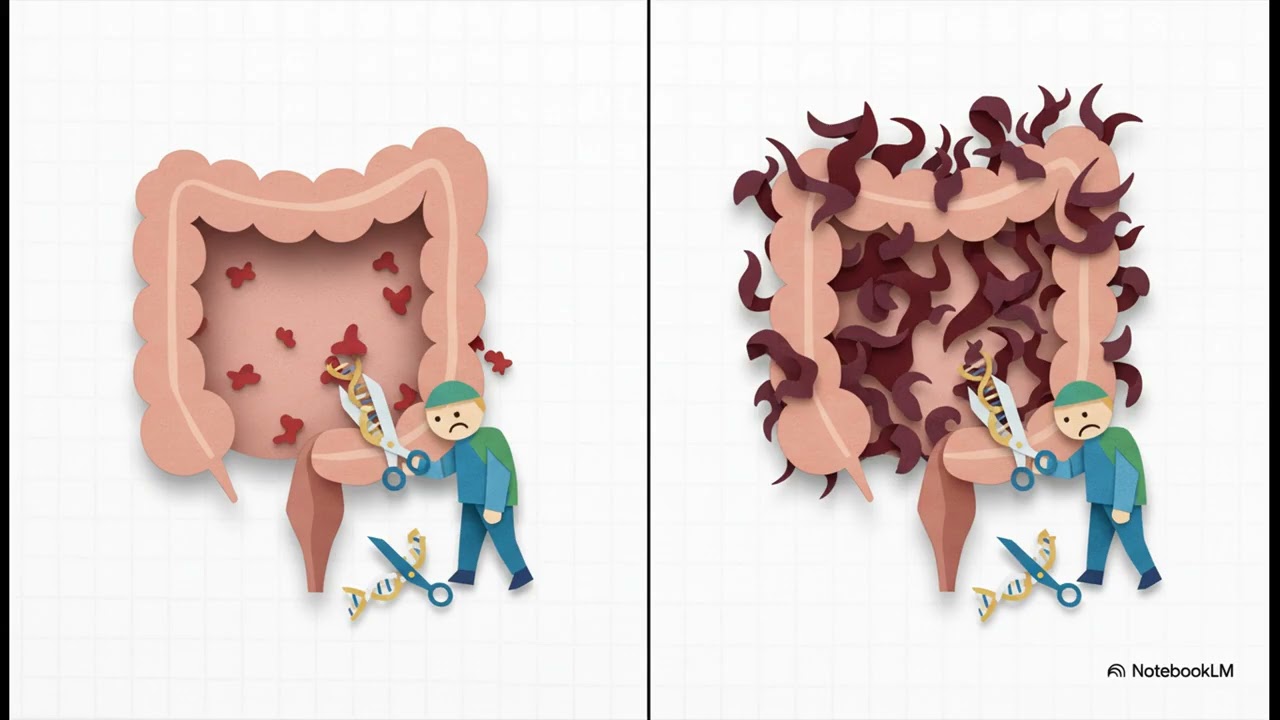
The content explains Familial Adenomatous Polyposis (FAP), a rare inherited condition defined by the presence of more than 100 polyps (adenomas) in the colon and rectum, often starting at a young age. FAP is caused by a mutation in the APC gene, which normally controls cell growth. If the condition is not managed proactively, the risk of developing colorectal cancer is nearly 100%. While 75% of cases are inherited, 25% occur as a brand new mutation. Proactive management is crucial, involving colonoscopies starting around puberty and upper endoscopies later. The most important step is preventative surgery to remove the colon and/or rectum to stop cancer before it develops. Due to the widespread effect of the APC gene mutation, FAP can also lead to polyps in the stomach/small intestine, a higher risk for thyroid cancer, and serious, non-cancerous desmoid tumors.


