Colon and Rectum
Familial Adenomatous Polyposis (FAP)
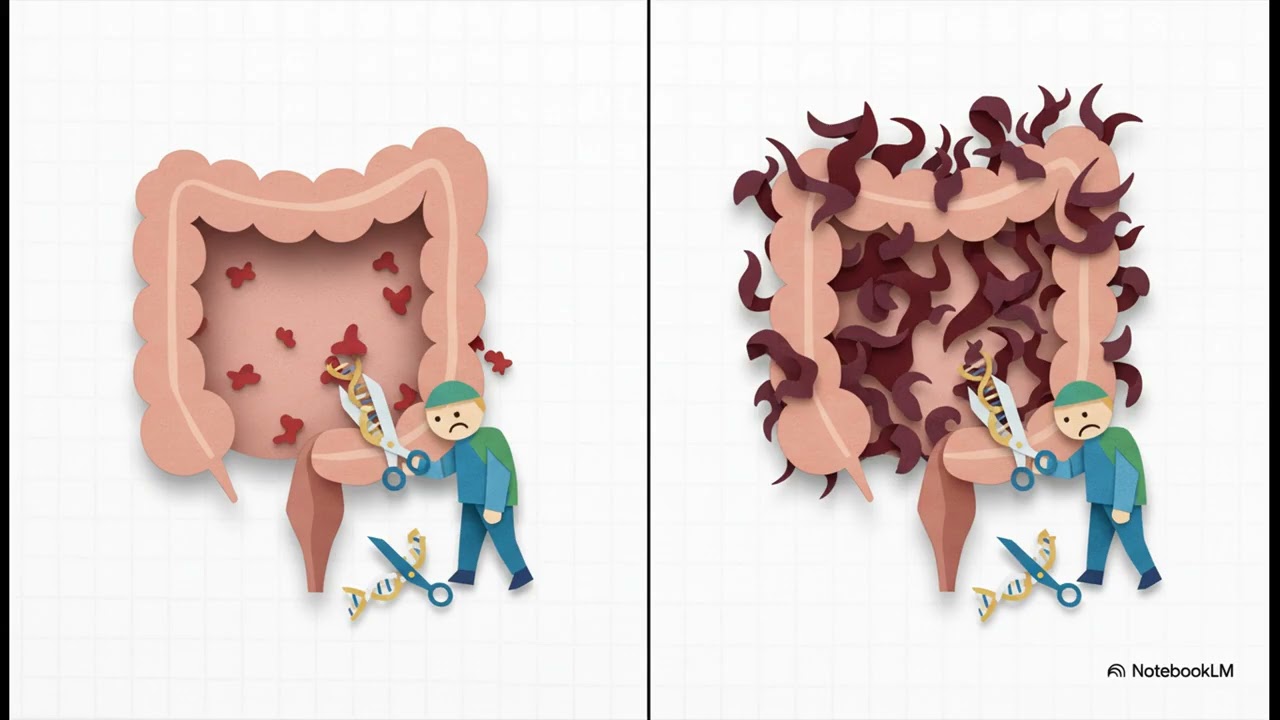
Familial Adenomatous Polyposis (FAP) is a rare inherited condition that causes hundreds to thousands of polyps in the colon, leading to a near 100% risk of cancer.
Reviewed by Allen Kamrava, MD, MBA, FACS, FASCRS · Last reviewed 2025-10-12
Overview
What is Familial Adenomatous Polyposis?
Familial Adenomatous Polyposis (FAP) is a rare, inherited disorder characterized by the development of hundreds to thousands of pre-cancerous polyps (adenomas) in the large intestine. The polyps typically begin to appear during the teenage years. If left untreated, there is a nearly 100% chance that one or more of these polyps will develop into colorectal cancer, often by age 40. FAP is also associated with an increased risk of other health problems, including polyps in the upper gastrointestinal tract (stomach and duodenum) and other types of tumors, such as desmoid tumors.
Symptoms
What are the symptoms of FAP?
In the early stages, when polyps are small, FAP usually does not cause any symptoms. As the number and size of polyps increase, symptoms may develop, including:
- Rectal bleeding or blood in the stool
- Diarrhea or constipation
- Abdominal cramps or pain
- Anemia, leading to fatigue and weakness
Many individuals are diagnosed through genetic screening based on family history before they ever develop symptoms.
Causes & risk factors
What causes FAP?
FAP is an autosomal dominant genetic disorder caused by a mutation in the adenomatous polyposis coli (APC) gene. The APC gene is a tumor suppressor gene, and its job is to control cell growth. When this gene is mutated, it doesn't work correctly, leading to the uncontrolled growth of cells in the lining of the colon and the formation of numerous polyps. About 25% of cases occur in people with no family history of the condition, resulting from a new, spontaneous mutation in the APC gene.
When to see a doctor
When should I get screened?
Screening is critical for individuals with a family history of FAP. If one of your parents has FAP, you have a 50% chance of inheriting the mutated gene.
- Genetic Testing: Genetic counseling and testing for the APC gene mutation are recommended for children of an affected parent, often starting around age 10-12.
- Endoscopic Screening: If you are at risk for FAP, you should begin annual screening with a flexible sigmoidoscopy or colonoscopy starting at age 10-12. This allows for the early detection of polyps.
Diagnosis & tests
How is FAP diagnosed?
The diagnosis of FAP is typically made in one of two ways:
- Colonoscopy: The presence of more than 100 adenomatous polyps in the colon is the clinical basis for a diagnosis of FAP.
- Genetic Testing: A blood test can identify a mutation in the APC gene, which confirms the diagnosis. This is the preferred method for individuals with a known family history of FAP.
Treatment
How is FAP treated?
Because the risk of colorectal cancer is nearly 100%, the standard treatment for FAP is a prophylactic colectomy, which is the surgical removal of the colon. This surgery is usually recommended in the late teens or early 20s, before cancer develops. The type of surgery depends on the extent of polyp growth, especially in the rectum.
- Total Proctocolectomy with Ileal Pouch-Anal Anastomosis (IPAA): This is the most common operation. The entire colon and rectum are removed, and a pouch is created from the end of the small intestine (the ileum) and connected to the anus. This allows for relatively normal bowel function without a permanent stoma.
- Total Abdominal Colectomy with Ileorectal Anastomosis (IRA): In this procedure, the colon is removed, but the rectum is left in place and connected to the small intestine. This is an option for patients with an attenuated form of FAP or very few rectal polyps, but it requires lifelong surveillance of the remaining rectum due to the risk of cancer developing there.
Self-care
What happens after surgery?
Even after surgery, lifelong surveillance is necessary.
- Upper Endoscopy (EGD): People with FAP are at high risk for polyps in the stomach and duodenum. Regular upper endoscopies are needed to monitor for and remove these polyps to prevent cancer in the upper GI tract.
- Pouchoscopy: For those with an IPAA, regular examination of the pouch is needed to check for polyps.
- Proctoscopy: For those with an IRA, the remaining rectum must be examined frequently.
- Desmoid Tumors: Surveillance for desmoid tumors, which are fibrous tumors that can grow in the abdomen, may also be necessary.
Frequently asked questions
What is Attenuated FAP (AFAP)?
Attenuated FAP is a milder form of the condition. People with AFAP typically develop fewer polyps (usually 10 to 100) and at a later age than those with classic FAP. The risk of colorectal cancer is still very high but may occur later in life. Surgical decisions for AFAP are more individualized.
What are desmoid tumors?
Desmoid tumors are a common extra-colonic manifestation of FAP. They are benign but can grow aggressively within the abdomen, causing pain, obstruction of the bowel or ureters, and can sometimes be life-threatening. Treatment is complex and may involve medication or, rarely, surgery.
References
- Glasgow SC, Hardiman KM. Sporadic and Inherited Colorectal Cancer: How Epidemiology and Molecular Biology Guide Screening and Treatment. In: Steele SR, Hull TL, Hyman N, Maykel JA, Read TE, Whitlow CB, eds. The ASCRS Textbook of Colon and Rectal Surgery. 4th ed. Springer; 2022:405-407.
- National Cancer Institute. Genetics of Colorectal Cancer (PDQ®)–Health Professional Version. Updated May 9, 2024. Accessed October 12, 2025. https://www.cancer.gov/types/colorectal/hp/colorectal-genetics-pdq
- Genetics Home Reference. Familial adenomatous polyposis. Reviewed August 18, 2020. Accessed October 12, 2025. https://ghr.nlm.nih.gov/condition/familial-adenomatous-polyposis