Anorectal
Anal Intraepithelial Neoplasia (AIN)
Anal Intraepithelial Neoplasia (AIN) is a precancerous condition with abnormal cell growth in the anal canal, strongly linked to the human papillomavirus (HPV).
Reviewed by Allen Kamrava, MD, MBA, FACS, FASCRS · Last reviewed 2025-10-12
Overview
What is Anal Intraepithelial Neoplasia?
Anal Intraepithelial Neoplasia (AIN), also known as anal dysplasia or anal squamous intraepithelial lesion (SIL), is a precancerous condition where the skin cells of the anal canal undergo abnormal changes. It is not cancer, but if left untreated, it can sometimes progress to invasive anal cancer over time. AIN is strongly associated with infection by the human papillomavirus (HPV), the same virus that causes cervical dysplasia and cancer.
The condition is classified into grades based on the severity of the abnormal cell changes:
- Low-Grade SIL (LSIL) or AIN 1: The abnormal cells are confined to the lower third of the anal lining. Many of these lesions may regress on their own, especially in immunocompetent individuals.
- High-Grade SIL (HSIL) or AIN 2/3: The abnormal cells extend into the middle or upper thirds of the anal lining. HSIL is considered a more direct precursor to anal cancer and is less likely to regress without treatment.
Symptoms
What are the symptoms of AIN?
AIN is often asymptomatic and is usually discovered during screening or evaluation for other anorectal conditions. When symptoms do occur, they are typically non-specific and can include:
- Anal itching (pruritus ani)
- Minor bleeding
- A feeling of a lump or mass
- Discomfort or pain
- Small, raised or flat wart-like growths
Causes & risk factors
What causes AIN?
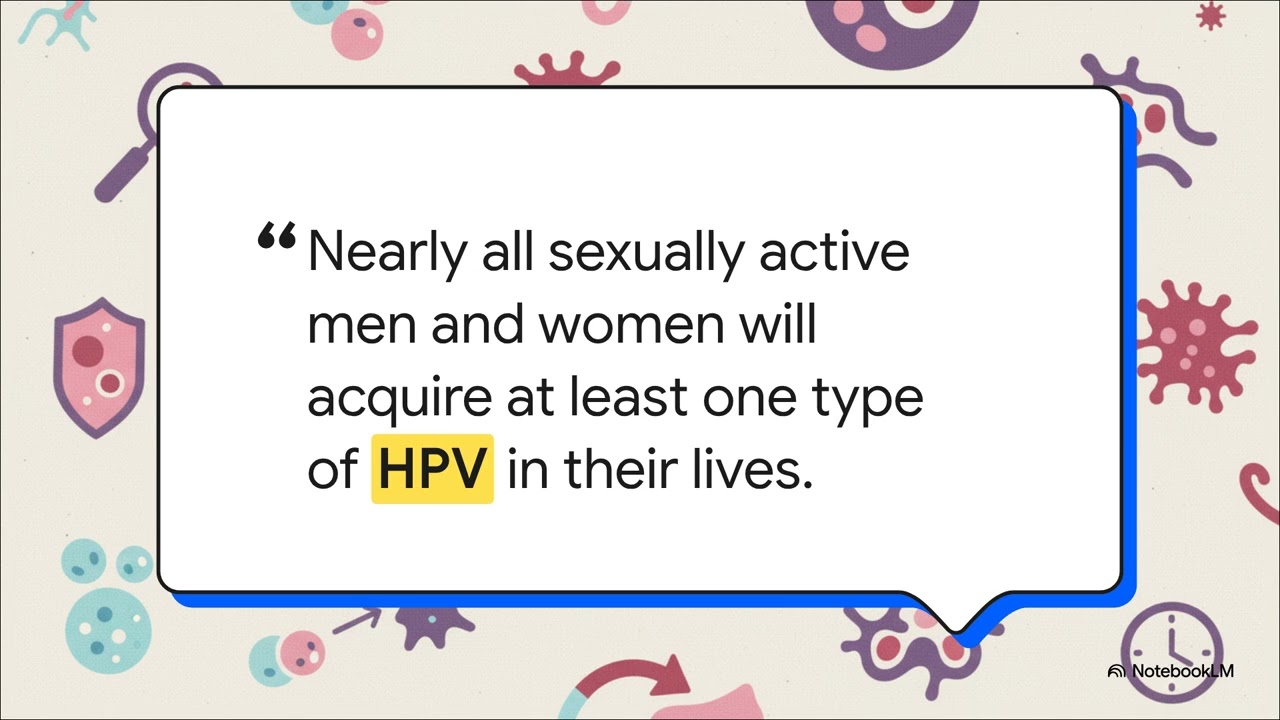
The primary cause of AIN is a persistent infection with high-risk types of the human papillomavirus (HPV), most commonly HPV-16. HPV is the most common sexually transmitted infection and can be spread through direct skin-to-skin contact during sexual activity.
While many people will be exposed to HPV in their lifetime, most infections are cleared by the immune system. AIN develops when the infection persists. Several factors increase the risk for persistent HPV infection and the development of AIN:
- Immunosuppression: Individuals with a weakened immune system are at the highest risk. This includes people living with HIV, organ transplant recipients, and those on chronic immunosuppressive medications.
- Men who have sex with men (MSM): This group has a high prevalence of anal HPV infection.
- Women with a history of cervical or vulvar dysplasia or cancer.
- Smoking.
- Multiple sexual partners.
When to see a doctor
When should I see a doctor?
Because AIN is often asymptomatic, screening is important for high-risk individuals. You should speak to your doctor about screening if you are in a high-risk group, such as being HIV-positive, an organ transplant recipient, a man who has sex with men, or a woman with a history of other HPV-related dysplasia.
You should also see a doctor if you experience any persistent anal symptoms like itching, bleeding, or notice any new growths or lesions. While these symptoms can be caused by many benign conditions, a proper evaluation is necessary to get an accurate diagnosis.
Urgent — get care now
When is it an emergency?
AIN itself is not a medical emergency. However, if you experience severe anal pain or heavy, uncontrolled bleeding, you should seek immediate medical attention. It is also important to note that if AIN progresses to invasive anal cancer, the symptoms can become more severe.
Diagnosis & tests
How is AIN diagnosed?
Diagnosing AIN involves a multi-step process, especially in high-risk populations. The goal is to identify abnormal cells and determine their grade.
- Anal Cytology (Anal Pap Smear): Similar to a cervical Pap smear, a swab is used to collect cells from the anal canal. The cells are examined under a microscope for abnormal changes. An abnormal result (such as ASCUS, LSIL, or HSIL) will prompt further investigation.
- High-Resolution Anoscopy (HRA): This is the gold standard for evaluating an abnormal anal Pap smear. HRA is a procedure performed in the office where a special magnifying scope (colposcope) is used to examine the anal canal after the application of acetic acid. Acetic acid causes dysplastic areas to turn white (acetowhitening), allowing the provider to identify suspicious areas.
- Biopsy: During HRA, any suspicious-looking areas are biopsied. A small piece of tissue is taken and sent to a pathologist, who examines it to confirm the diagnosis of AIN and determine its grade (LSIL or HSIL).
Treatment
How is AIN treated?
The goal of treating AIN is to eliminate the dysplastic lesions to prevent progression to anal cancer, while preserving anal function and minimizing morbidity. Treatment decisions are individualized based on the grade of AIN, the extent of the disease, and the patient's immune status.
Observation (Active Surveillance): For low-grade lesions (LSIL/AIN 1), close observation with regular follow-up is often appropriate, as many of these lesions will regress spontaneously.
Topical Therapies: For high-grade lesions (HSIL/AIN 2/3), various topical creams can be used. These are often used for widespread or multifocal disease.
- Imiquimod: An immune-response modifier that stimulates the local immune system to attack the abnormal cells.
- Topical Fluorouracil (5-FU): A topical chemotherapy cream.
Ablative Therapies: These procedures aim to destroy the abnormal tissue and are often performed in the office or operating room, guided by High-Resolution Anoscopy.
- Infrared Coagulation (IRC): Uses infrared light to destroy the lesions.
- Electrocautery Ablation: Uses electrical current to burn away the abnormal tissue.
Surgical Excision: Wide local excision of all affected tissue was a historical approach but is now rarely recommended due to high rates of recurrence and significant risk of complications like anal stenosis and incontinence.
No single treatment is perfect, and AIN has a high rate of recurrence, so long-term surveillance is crucial after any treatment.
Self-care
Self-Care and Prevention
The most effective way to prevent AIN is to prevent HPV infection.
- HPV Vaccination: The HPV vaccine is highly effective at preventing infection with the HPV types that cause most AIN and anal cancer. It is recommended for adolescents and young adults.
- Safe Sex Practices: Using condoms can reduce, but not eliminate, the risk of HPV transmission.
- Smoking Cessation: Smoking is a significant risk factor for the development and progression of AIN.
- Screening for High-Risk Individuals: If you are in a high-risk group, regular screening with anal cytology can detect AIN at an early, more treatable stage.
Frequently asked questions
Is AIN the same as anal cancer?
No. AIN is a precancerous condition. The cells are abnormal, but they have not invaded into the deeper tissues. Anal cancer is when these abnormal cells become invasive. AIN is a risk factor for developing anal cancer, but not everyone with AIN will develop cancer.
If I have AIN, does that mean I have HIV?
No. While people living with HIV are at a much higher risk for AIN, many people who have AIN are not HIV-positive. The common link is HPV infection. However, a diagnosis of AIN should prompt a discussion about HIV testing if your status is unknown.
Does AIN always need to be treated?
Not always. Low-grade AIN (LSIL) often resolves on its own without treatment and can be safely monitored. High-grade AIN (HSIL) has a higher risk of progressing to cancer and is therefore usually treated. Treatment decisions are made on an individual basis with your doctor.
References
- Gaertner WB, Krane MK. Anal Intraepithelial Neoplasia. In: Steele SR, Hull TL, Hyman N, Maykel JA, Read TE, Whitlow CB, eds. The ASCRS Textbook of Colon and Rectal Surgery. 4th ed. Springer; 2022:343-354.
- National Cancer Institute. Anal Cancer Prevention (PDQ®)–Patient Version. Published March 18, 2022. Accessed October 12, 2025. https://www.cancer.gov/types/anal/patient/anal-prevention-pdq
- American Society of Colon and Rectal Surgeons. Anal Warts and Anal Dysplasia Expanded Information. Accessed September 28, 2026. https://fascrs.org/Web/Patients/Diseases-and-Conditions/A-Z/Anal-Warts-and-Anal-Dysplasia-Expanded-Information.aspx