Colon and Rectum
Radiation Proctitis
Radiation proctitis is inflammation and damage to the rectum caused by radiation therapy for cancers in the pelvic area.
Reviewed by Allen Kamrava, MD, MBA, FACS, FASCRS · Last reviewed 2025-10-12
Overview
What is radiation proctitis?
Radiation proctitis is inflammation and damage to the rectum that occurs as a side effect of radiation therapy to the pelvis. This treatment is commonly used for cancers of the prostate, cervix, uterus, and rectum itself. The rectum is very close to these other organs and can be inadvertently exposed to radiation.
The condition can be classified as either acute or chronic:
- Acute radiation proctitis: Occurs during or within a few weeks of radiation therapy. It is caused by direct damage to the rapidly dividing cells of the rectal lining, leading to inflammation. This condition is usually temporary and resolves after treatment ends.
- Chronic radiation proctitis (or proctopathy): Develops months to years after radiation therapy is completed. It is caused by progressive damage to the small blood vessels in the rectal wall, which leads to ischemia (lack of blood flow), scarring, and the formation of fragile new blood vessels (telangiectasias) that bleed easily.
Symptoms
What are the symptoms?
The symptoms depend on whether the condition is acute or chronic.
Acute Symptoms:
- Diarrhea
- Tenesmus (a frequent and urgent feeling that you need to pass stool)
- Mucus discharge
- Mild cramping or rectal discomfort
Chronic Symptoms:
- Rectal bleeding: This is the most common symptom of chronic radiation proctitis. The bleeding is often painless and can range from minor spotting on toilet paper to more significant bleeding that can cause anemia.
- Tenesmus and urgency
- Change in bowel habits, such as narrowing of the stool
- Rectal pain
- Mucus discharge
- In rare cases, severe scarring can lead to a stricture (narrowing) of the rectum, or a fistula (an abnormal connection) between the rectum and the bladder or vagina.
Causes & risk factors
What causes radiation proctitis?
The sole cause of radiation proctitis is damage to the rectum from ionizing radiation used to treat cancer. The likelihood of developing proctitis and its severity depend on several factors:
- Total radiation dose: Higher doses increase the risk.
- Delivery technique: Modern techniques like intensity-modulated radiation therapy (IMRT) are designed to better conform the radiation dose to the target and spare surrounding normal tissues like the rectum.
- Individual patient factors: Conditions that affect blood vessels, such as diabetes, high blood pressure, and smoking, may increase the risk of developing chronic radiation damage.
- Previous abdominal or pelvic surgery: Adhesions can fix loops of bowel in the radiation field, increasing their exposure.
When to see a doctor
When should I see a doctor?
If you are undergoing pelvic radiation, you should report any acute symptoms like diarrhea or tenesmus to your radiation oncology team, as there are medications that can help. If you have a history of pelvic radiation and develop new symptoms, particularly rectal bleeding, months or years later, you should see a doctor. It's important to have these symptoms evaluated to confirm the diagnosis of radiation proctitis and to rule out other causes of bleeding, such as a recurrence of your cancer.
Urgent — get care now
When is it an emergency?
While uncommon, chronic radiation proctitis can lead to severe rectal bleeding that requires urgent medical attention. You should go to the emergency room if you are passing a large amount of blood or clots, or if you feel dizzy, lightheaded, or faint.
Diagnosis & tests
How is radiation proctitis diagnosed?
Diagnosis is based on a patient's history of pelvic radiation and an endoscopic examination.
- Flexible Sigmoidoscopy or Colonoscopy: A flexible scope with a camera is used to look at the lining of the rectum. The doctor will look for the characteristic signs of radiation damage. In the chronic phase, this typically includes the presence of numerous fragile, spider-like blood vessels called telangiectasias, pale mucosa, and some friability. Biopsies may be taken to rule out other causes of inflammation or cancer, but are often avoided if the diagnosis is clear to prevent causing bleeding or a non-healing ulcer.
Treatment
How is radiation proctitis treated?
Treatment is aimed at controlling the symptoms.
For Acute Proctitis:
- Anti-diarrheal medications and a low-fiber diet can help manage diarrhea.
- Topical medications like steroid or mesalamine enemas may be prescribed.
For Chronic Proctitis (especially bleeding):
- Sucralfate enemas: Sucralfate can coat the rectal lining, which may help with healing and reduce bleeding.
- Topical Formalin Application: A dilute solution of formalin can be applied to the rectal lining. This is a chemical cauterant that stops the bleeding from the fragile telangiectasias. It is a highly effective treatment.
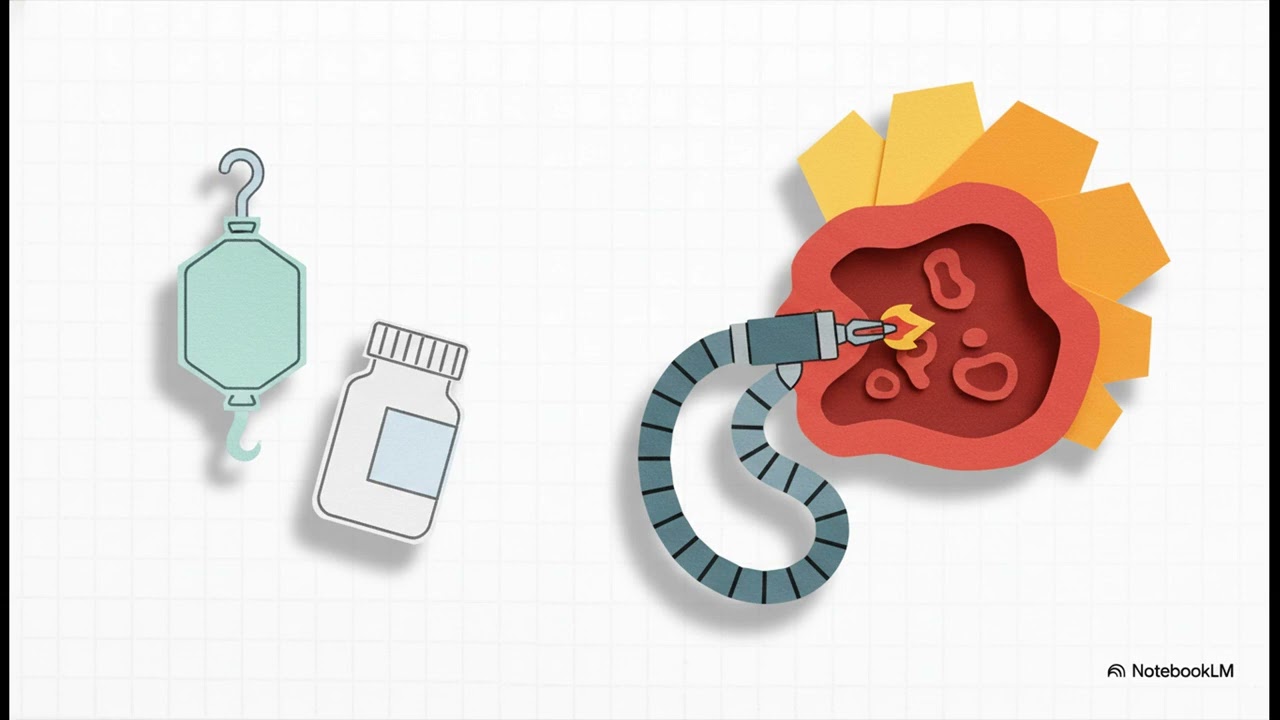
- Endoscopic Thermal Therapy: Argon plasma coagulation (APC) is the most common endoscopic treatment. It uses argon gas and an electrical current to cauterize and destroy the abnormal blood vessels. This is also a very effective treatment, but often requires multiple sessions.
- Hyperbaric Oxygen Therapy (HBOT): This involves breathing pure oxygen in a pressurized chamber. It is thought to promote the growth of new, healthy blood vessels and can be effective for refractory radiation proctitis, but it requires many sessions and is not widely available.
- Surgery: Surgery is a last resort and is reserved for severe, life-threatening bleeding that does not respond to other treatments, or for complications like a severe stricture or a fistula. Surgery in a radiated field is very high-risk and often involves removing the rectum and creating a permanent colostomy.
Self-care
Self-Care for Radiation Proctitis
- Dietary adjustments: For acute symptoms, a low-fiber diet can reduce diarrhea. For chronic symptoms, ensuring adequate fiber and fluids can help maintain soft stools to avoid trauma to the fragile rectal lining.
- Hygiene: Gentle cleaning of the anal area is important to prevent skin irritation.
- Iron supplementation: If you have chronic bleeding, your doctor may recommend taking an iron supplement to prevent or treat anemia.
Frequently asked questions
Is radiation proctitis permanent?
Acute radiation proctitis is usually temporary and resolves within a few months after radiation therapy ends. Chronic radiation proctitis, however, is caused by permanent damage to the blood vessels and is a long-term condition. Symptoms may come and go, but the underlying changes in the tissue do not go away.
Can radiation proctitis be prevented?
Prevention is focused on the radiation planning and delivery process. Modern radiation techniques are much better at minimizing the dose to the rectum. Sometimes, a spacer (like a hydrogel) can be injected between the prostate and the rectum before prostate radiation to physically move the rectum out of the high-dose radiation field.
Does radiation proctitis increase my risk of rectal cancer?
While radiation itself is a risk factor for developing secondary cancers, the risk of developing a new rectal cancer as a result of radiation for a different pelvic cancer is very low and usually takes many years to develop.
References
- Cannon JA, Kennedy GD. Radiation, Microscopic, and Ischemic Colitis. In: Steele SR, Hull TL, Hyman N, Maykel JA, Read TE, Whitlow CB, eds. The ASCRS Textbook of Colon and Rectal Surgery. 4th ed. Springer; 2022:893-895.
- National Cancer Institute. Radiation Proctitis. Accessed September 28, 2026. https://www.cancer.gov/about-cancer/treatment/side-effects/radiation-proctitis
- Mayo Clinic. Proctitis. Accessed October 12, 2025. https://www.mayoclinic.org/diseases-conditions/proctitis/symptoms-causes/syc-20376933