Radiation Proctitis: Dealing with Rectal Bleeding After Cancer Treatment
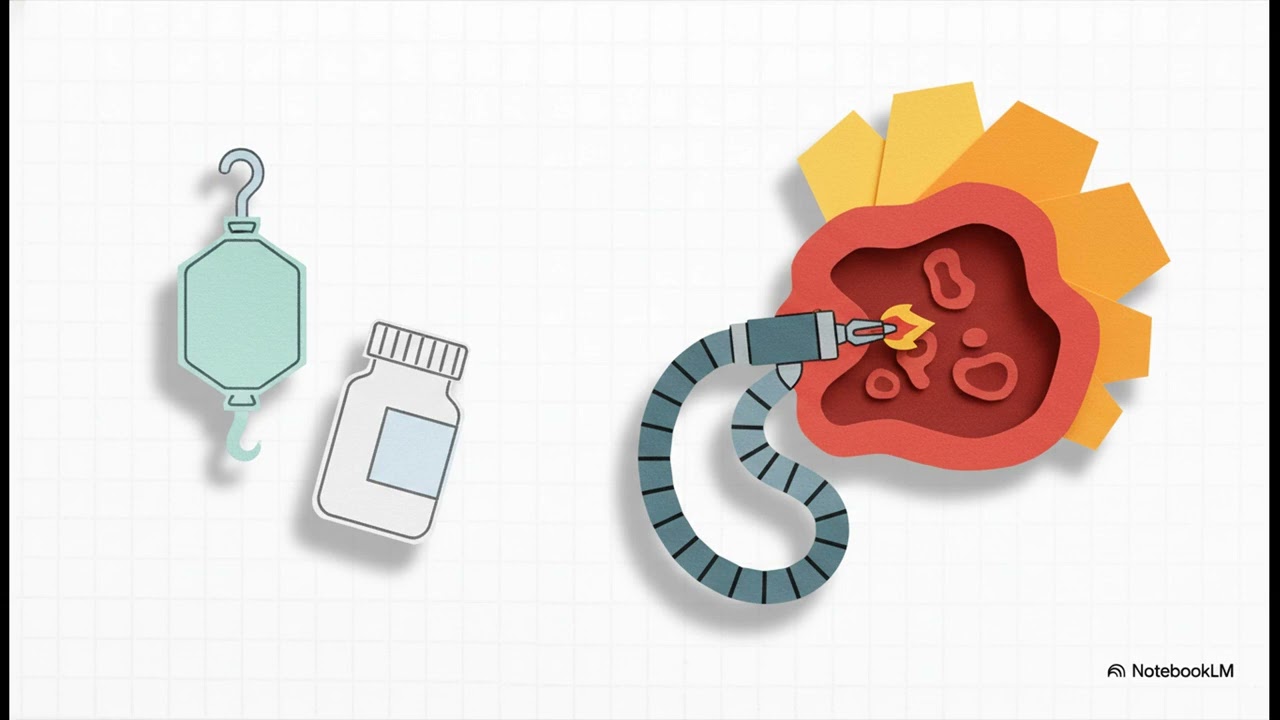
Radiation proctitis is inflammation of the rectum caused by radiation therapy. The content focuses on the chronic type, which appears 8 to 12 months after treatment and is caused by damage to small blood vessels. The main symptom is rectal bleeding (hemorrhagic proctitis), which results from the growth of new, fragile, spiderweb-like blood vessels called telangiectasias. Diagnosis involves reviewing radiation history and performing an endoscopy to visualize classic signs like easy fryability (tissue that bleeds easily). Highly effective treatments are generally non-surgical, focusing on endoscopic procedures. These include applying topical formalin (which seals the delicate vessels shut, with a success rate over 90%) and using Argon Beam Coagulation (ABC). Both methods work almost equally well. Surgery is considered a last resort only for specific, severe cases, due to the higher complication risk associated with operating on radiated tissue.


