Anorectal
Anal Itching (Pruritus Ani)
Anal itching, or pruritus ani, is a common and often intense, irritating sensation that creates an urge to scratch the skin around the anus.
Reviewed by Allen Kamrava, MD, MBA, FACS, FASCRS · Last reviewed 2025-10-12
Overview
What is anal itching?
Anal itching, medically known as pruritus ani, is a common and often irritating condition characterized by an intense urge to scratch the skin around the anus. The itching can be persistent and is often worse at night or after a bowel movement. While it can be embarrassing to discuss, it is a frequent complaint and usually caused by a benign condition. Scratching the area can damage the delicate skin, leading to a cycle of more itching and irritation.
Symptoms
What are the symptoms?
The primary symptom is an intense itching or burning sensation in or around the anus. This can be accompanied by:
- Redness, soreness, or inflammation of the perianal skin.
- A persistent feeling of moisture or dampness.
- Thickened or leathery skin (lichenification) from chronic scratching.
- The urge to scratch may be uncontrollable and is often worse after a bowel movement or at night, sometimes disrupting sleep.
Causes & risk factors
What causes anal itching?
Anal itching is a symptom, not a disease itself. The cause can be multifactorial and sometimes difficult to identify. Common causes include:
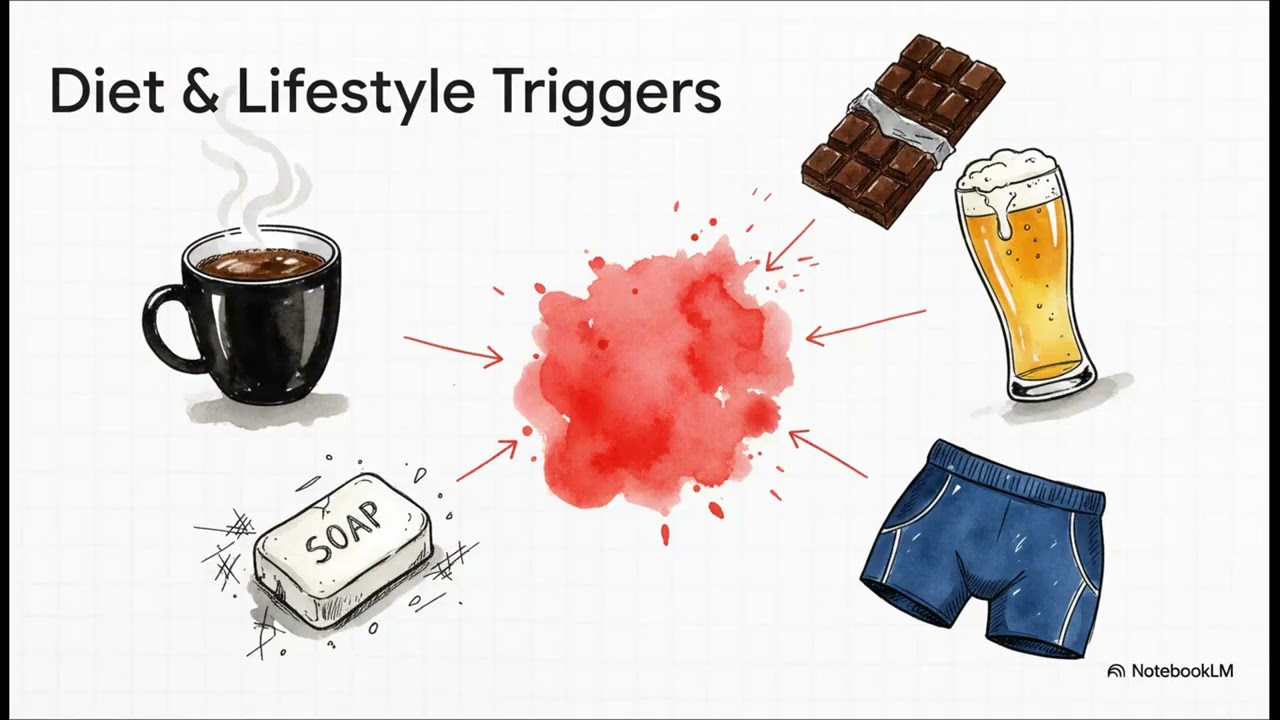
- Moisture and Fecal Soiling: This is the most common cause. Excess moisture from sweat or small amounts of stool leakage can irritate the skin.
- Hygiene Issues: Both inadequate cleaning and overly aggressive cleaning with harsh soaps, scented toilet papers, or vigorous scrubbing can lead to irritation.
- Dietary Factors: Certain foods and drinks can irritate the anal area, including coffee, tea, cola, alcohol, chocolate, citrus fruits, tomatoes, and spicy foods.
- Anorectal Conditions: Hemorrhoids, anal fissures, fistulas, and skin tags can cause moisture and irritation, leading to itching.
- Dermatological Conditions: Skin problems like psoriasis, eczema, or contact dermatitis can affect the perianal skin.
- Infections: Fungal infections (like yeast infections), parasitic infections (like pinworms), and some sexually transmitted infections (STIs) can cause anal itching.
When to see a doctor
When should I see a doctor?
Occasional, mild itching is common, but you should consult a healthcare provider if:
- The itching is severe, persistent, or interferes with your daily life or sleep.
- The itching doesn't go away after a week of self-care measures.
- You have other symptoms like anal bleeding, pain, discharge, or changes in your bowel habits.
- You notice any changes in the skin around your anus, such as a rash, sores, or lumps.
Urgent — get care now
When is it an emergency?
Anal itching itself is rarely an emergency. However, if your itching is accompanied by severe anal pain, heavy rectal bleeding, fever, or signs of a severe infection (like spreading redness and swelling), you should seek immediate medical attention. These could be signs of a more serious underlying condition, such as a significant abscess.
Diagnosis & tests
How is the cause of anal itching diagnosed?
Diagnosing the cause of anal itching usually involves a thorough history and physical examination.
- Medical History: Your doctor will ask about your symptoms, bowel habits, diet, hygiene practices, and any skin conditions.
- Physical Examination: The doctor will visually inspect the skin around the anus for signs of irritation, redness, rashes, hemorrhoids, fissures, or other abnormalities. A digital rectal exam and anoscopy may also be performed.
- Swabs or Biopsy: If an infection or skin condition is suspected, your doctor might take a swab for culture or a small skin sample (biopsy) for examination under a microscope to rule out conditions like Paget's disease or Bowen's disease.
Treatment
How is anal itching treated?
Treatment is focused on eliminating the underlying cause and breaking the 'itch-scratch' cycle.
- Treating the Underlying Cause: If a specific condition like hemorrhoids, a fissure, or an infection is found, treating that condition is the most important step.
- Hygiene and Lifestyle Changes: For most cases of idiopathic (unknown cause) pruritus, treatment revolves around meticulous but gentle hygiene and dietary modification.
- Topical Medications:
- Barrier Creams: A thin layer of a zinc oxide-based cream or paste can protect the skin from moisture and irritants.
- Low-potency Steroids: A short course of a mild topical steroid cream (like 1% hydrocortisone) may be prescribed to reduce inflammation. Long-term use should be avoided as it can thin the skin.
- Topical Capsaicin: In refractory cases, this cream can help by desensitizing the nerve endings.
- Methylene Blue Injections: For very severe, intractable cases, intradermal injections of methylene blue can be used to deaden the nerve endings in the perianal skin, providing long-term relief.
Self-care
Self-Care for Anal Itching
Good self-care is the cornerstone of treating and preventing anal itching.
- Keep the area clean and dry: Gently clean the anal area with plain water and a soft cloth or cotton ball after bowel movements. Avoid harsh soaps and vigorous rubbing. Pat the area dry or use a hairdryer on a cool setting.
- Avoid irritants: Use unscented, white toilet paper. Avoid using soaps, perfumes, bubble baths, or hygiene sprays in the anal area.
- Wear loose-fitting cotton underwear: This helps to keep the area dry by allowing air to circulate. Change underwear daily or more often if it becomes damp.
- Dietary changes: Try to identify and avoid foods that may be causing irritation. Increasing fiber intake can help regulate bowel movements and reduce leakage.
- Don't scratch: Scratching can damage the skin and make the itching worse. Try applying a cold compress for temporary relief. Keeping fingernails short can minimize skin damage if you scratch in your sleep.
Frequently asked questions
Is anal itching a sign of cancer?
While anal itching is most often caused by benign conditions, it can, in rare cases, be a symptom of anal cancer, Paget's disease, or Bowen's disease. This is why it's important to have persistent or severe itching evaluated by a doctor, especially if it's accompanied by other symptoms like bleeding, a lump, or skin changes.
Can stress cause anal itching?
Yes, stress and anxiety can sometimes trigger or worsen anal itching. The exact reason isn't fully understood, but it's believed to be related to the complex connection between the brain and the gut. Managing stress through relaxation techniques may help in some cases.
References
- Umanskiy K, Messaris E. Dermatology and Pruritus Ani. In: Steele SR, Hull TL, Hyman N, Maykel JA, Read TE, Whitlow CB, eds. The ASCRS Textbook of Colon and Rectal Surgery. 4th ed. Springer; 2022:311-322.
- American Society of Colon and Rectal Surgeons. Pruritis Ani Expanded Version. Accessed September 28, 2026. https://fascrs.org/Web/Patients/Diseases-and-Conditions/A-Z/Pruritis-Ani-Expanded-Version.aspx
- Cleveland Clinic. Anal Itching (Pruritus Ani). Accessed September 28, 2026. https://my.clevelandclinic.org/health/diseases/15574-anal-itching-pruritus-ani