Anorectal
Anal Cancer (Squamous Cell Carcinoma)
Anal cancer is a rare cancer that forms in the tissues of the anus, with squamous cell carcinoma being the most common type, often linked to HPV infection.
Reviewed by Allen Kamrava, MD, MBA, FACS, FASCRS · Last reviewed 2025-10-12
Overview
What is anal cancer?
Anal cancer is a disease in which malignant (cancer) cells form in the tissues of the anus. The most common type of anal cancer is squamous cell carcinoma, which begins in the squamous cells that line the anal margin and most of the anal canal. This type of cancer is strongly associated with the human papillomavirus (HPV).
Tumors of the anal region are divided into those of the anal canal (above the anal verge) and those of the perianal skin (within 5 cm of the anal verge). This distinction is important because they have different lymphatic drainage patterns and can have different treatment approaches. While anal cancer is relatively rare, its incidence has been rising in recent years.
Symptoms
Common Symptoms
The symptoms of anal cancer can be mistaken for more common, benign conditions like hemorrhoids or anal fissures. The most common symptoms include:
- Bleeding: Rectal bleeding is the most common symptom, occurring in about half of patients.
- Pain or Discomfort: Pain or a feeling of pressure in the anal area.
- A lump or mass: A palpable lump at the anal opening.
- Itching: Persistent anal itching (pruritus ani).
- Changes in bowel habits: Narrowing of the stool or difficulty with bowel movements.
- Swollen lymph nodes in the anal or groin areas.
Causes & risk factors
What causes anal cancer?
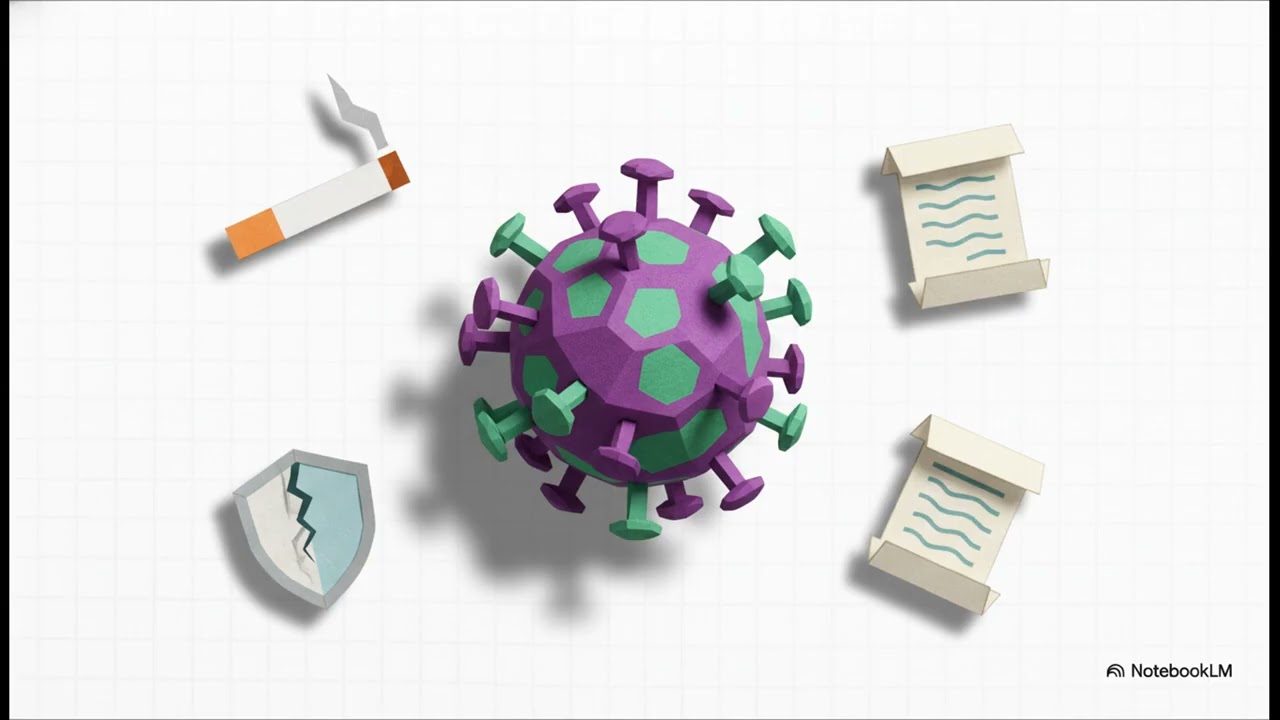
The vast majority of anal squamous cell carcinomas are caused by infection with the human papillomavirus (HPV), the same virus that causes cervical cancer. High-risk HPV types, particularly HPV-16 and HPV-18, are found in most anal cancers. The virus is transmitted through sexual contact.
Risk factors for developing anal cancer include:
- HPV infection: This is the most significant risk factor.
- Weakened immune system: People with compromised immune systems, such as those with HIV or who have had an organ transplant, are at higher risk.
- Multiple sexual partners: This increases the risk of exposure to HPV.
- Anal receptive intercourse.
- Smoking: Cigarette smoking increases the risk of anal cancer.
- Chronic anal inflammation: Long-term inflammation from conditions like chronic anal fistulas or open wounds can increase risk.
- History of other HPV-related cancers, such as cervical, vaginal, or vulvar cancer.
When to see a doctor
When should I see a doctor?
You should see a healthcare provider if you have any of the symptoms listed above, especially rectal bleeding, a persistent lump, or pain that does not go away. Because the symptoms of anal cancer can mimic other anorectal conditions, it's important to get an accurate diagnosis. Early detection and treatment significantly improve the chances of a successful outcome.
Urgent — get care now
When is it an emergency?
Anal cancer is rarely a medical emergency. However, you should seek immediate medical care if you experience heavy, uncontrollable rectal bleeding or severe pain that could be a sign of a large, ulcerated tumor or a secondary infection.
Diagnosis & tests
How is anal cancer diagnosed?
Diagnosing anal cancer involves a combination of a physical exam and further tests.
- Physical Examination: The doctor will perform a digital rectal exam to feel for any lumps or abnormalities and will also examine the groin for any swollen lymph nodes.
- Anoscopy: A short, lighted tube is used to look inside the anal canal. This allows the doctor to see the tumor and take a biopsy.
- Biopsy: A small sample of the abnormal tissue is removed and examined under a microscope to confirm the diagnosis of cancer. This is essential for diagnosis.
- Imaging Tests: Once cancer is diagnosed, imaging tests are used to determine the size of the tumor and whether it has spread. These may include:
- MRI of the pelvis: This is very good for showing the local extent of the tumor and its relationship to the sphincter muscles and other pelvic organs.
- CT scan of the chest, abdomen, and pelvis: This is used to look for any spread to distant organs.
- PET scan: A PET scan can be useful for identifying the extent of lymph node involvement and for detecting distant metastases.
Treatment
How is anal cancer treated?
The treatment for anal squamous cell carcinoma has evolved significantly. While surgery was once the primary treatment, the standard of care for most anal canal cancers is now a combination of chemotherapy and radiation therapy (chemoradiation), which is highly effective and preserves the anal sphincter.
Chemoradiation (Nigro Protocol): This is the mainstay of treatment for most anal canal cancers. It combines radiation therapy to the pelvis with chemotherapy, typically using the drugs 5-fluorouracil (5-FU) and mitomycin C. This combination therapy cures the majority of patients without the need for a permanent colostomy.
Surgery: Surgery now plays a more limited role.
- Local Excision: For very small, early-stage tumors (T1) on the perianal skin, a wide local excision may be sufficient treatment.
- Abdominoperineal Resection (APR): This major surgery, which involves removing the anus, rectum, and part of the colon and creating a permanent colostomy, is reserved for patients who have persistent or recurrent disease after chemoradiation (salvage therapy).
Immunotherapy: For patients with advanced or metastatic anal cancer that has progressed after chemotherapy, immunotherapy drugs that target specific proteins on immune cells (like PD-1) have shown promise in some cases.
Self-care
Self-Care During and After Treatment
Treatment for anal cancer, particularly chemoradiation, can have significant side effects. Managing these side effects is a key part of the treatment plan.
- Skin Care: Radiation to the perineal area will cause skin irritation, redness, and peeling, similar to a severe sunburn. It is very important to keep the skin clean and dry. Your radiation oncology team will recommend specific creams or ointments to use.
- Bowel Function: Diarrhea is a common side effect of both chemotherapy and pelvic radiation. Your doctor may prescribe medications to help control it. A low-residue diet may also be helpful.
- Pain Management: Pain in the anal area can be significant during treatment. Sitz baths and pain medications will be part of your care plan.
- Follow-up: After treatment is complete, you will have regular follow-up appointments to monitor for any signs of recurrence. This will include physical exams, anoscopy, and sometimes imaging tests.
Frequently asked questions
Is anal cancer preventable?
Many cases of anal cancer are preventable. The HPV vaccine is highly effective at preventing infection with the HPV types that cause most anal cancers. Practicing safe sex can also reduce the risk of HPV transmission. Not smoking is another important preventive measure.
What is the survival rate for anal cancer?
The prognosis for anal cancer depends on the stage at diagnosis. For localized disease that has not spread, the 5-year survival rate is high, around 82%. If the cancer has spread to the lymph nodes, the 5-year survival rate is about 65%. For metastatic disease, the 5-year survival is around 35%. Early detection is key.
Will I need a colostomy?
For most people with anal canal cancer, the answer is no. The standard treatment with chemoradiation is designed to cure the cancer while preserving the anus and its function. A colostomy is generally only needed for the small percentage of patients whose cancer does not respond to chemoradiation or who have a recurrence.
References
- Sands DR, Mahmoud NN. Anal Cancer. In: Steele SR, Hull TL, Hyman N, Maykel JA, Read TE, Whitlow CB, eds. The ASCRS Textbook of Colon and Rectal Surgery. 4th ed. Springer; 2022:357-373.
- National Cancer Institute. Anal Cancer Treatment (PDQ®)–Patient Version. Published March 18, 2022. Accessed October 12, 2025. https://www.cancer.gov/types/anal/patient/anal-treatment-pdq
- Mayo Clinic. Anal Cancer. Published August 27, 2021. Accessed October 12, 2025. https://www.mayoclinic.org/diseases-conditions/anal-cancer/symptoms-causes/syc-20354140