Anorectal
Hemorrhoids
Hemorrhoids are swollen veins in the anus or lower rectum that can cause symptoms like bleeding, itching, and discomfort.
Reviewed by Allen Kamrava, MD, MBA, FACS, FASCRS · Last reviewed 2025-10-11
Overview
What are hemorrhoids?
Hemorrhoids, often called piles, are swollen and inflamed veins around your anus or in your lower rectum. They are a very common condition, affecting millions of people. While they can be uncomfortable, they are usually not life-threatening and can often be managed with simple self-care measures.
There are two types of hemorrhoids:
- Internal hemorrhoids: Located inside the rectum. They are usually painless but can cause bleeding during bowel movements.
- External hemorrhoids: Located under the skin around the anus. They can be itchy or painful and may feel like a hard lump if a blood clot forms.
Symptoms
Common Symptoms
The symptoms of hemorrhoids can vary depending on the type and severity.
- Bleeding: Bright red blood on the toilet paper, in the toilet bowl, or on the surface of the stool is the most common symptom, especially with internal hemorrhoids.
- Itching and Irritation: The anal area may feel itchy, irritated, or raw.
- Pain or Discomfort: External hemorrhoids can be painful, especially when sitting. A thrombosed external hemorrhoid (one with a blood clot) can cause sudden, severe pain.
- Swelling or Lumps: You may feel a lump or swelling around the anus, which can be sensitive to the touch.
- Prolapse: An internal hemorrhoid may protrude through the anal opening. It might go back inside on its own, or you may be able to push it back in gently.
Causes & risk factors
What causes hemorrhoids?
Hemorrhoids develop when there is too much pressure on the veins around the anus. This pressure can be caused by a number of factors:
- Straining during bowel movements: This is the most common cause, often due to chronic constipation or diarrhea.
- Sitting for long periods: Spending extended time on the toilet can increase pressure on the anal veins.
- Pregnancy: The growing uterus puts pressure on the veins in the colon, and hormonal changes can also contribute.
- Obesity: Excess weight can put additional pressure on the pelvic veins.
- Chronic cough or vomiting.
- Heavy lifting.
- Aging: As we get older, the connective tissues that support the veins in the rectum and anus can weaken.
When to see a doctor
When should I see a doctor?
You should see a healthcare provider if you have any rectal bleeding, especially for the first time, to ensure it's not a sign of a more serious condition like colorectal cancer. You should also seek care if:
- Your symptoms do not improve with self-care after one week.
- You have severe pain or heavy bleeding.
- A lump around your anus becomes very painful or doesn't go away.
Urgent — get care now
When is it an emergency?
While rare, hemorrhoids can sometimes lead to more serious problems. Seek immediate medical attention if you experience:
- Heavy rectal bleeding: Losing a large amount of blood can lead to dizziness, lightheadedness, or fainting.
- Severe, unbearable pain: This could be a sign of a thrombosed hemorrhoid, where a blood clot has formed inside the vein, or a strangulated hemorrhoid, where the blood supply is cut off. Both conditions require prompt medical care.
Diagnosis & tests
How are hemorrhoids diagnosed?
A doctor can usually diagnose hemorrhoids with a simple physical exam.
- Visual Inspection: The doctor will look at the area around your anus to check for external hemorrhoids.
- Digital Rectal Exam: The doctor will insert a gloved, lubricated finger into your rectum to feel for internal hemorrhoids or other abnormalities.
- Anoscopy or Proctoscopy: A short, lighted tube (anoscope or proctoscope) is used to view the lining of the anus and rectum.
- Colonoscopy: If there is any concern for another cause of your symptoms, or if you are due for colorectal cancer screening, a full colonoscopy may be recommended to examine the entire colon.
Treatment
How are hemorrhoids treated?
Treatment depends on the severity of your symptoms. Many hemorrhoids can be managed with lifestyle changes and home remedies. For persistent or severe hemorrhoids, medical procedures may be necessary.
Lifestyle and Self-Care:
- Increasing fiber and fluid intake to soften stools and prevent straining.
- Avoiding prolonged sitting on the toilet.
- Using over-the-counter creams, ointments, or suppositories for temporary relief.
- Taking warm baths (sitz baths) to soothe the anal area.
Medical Procedures:
- Rubber Band Ligation: A small rubber band is placed around the base of an internal hemorrhoid to cut off its blood supply. The hemorrhoid withers and falls off within a week.
- Sclerotherapy: A chemical solution is injected into the hemorrhoid tissue to shrink it.
- Infrared Coagulation: Infrared light is used to create scar tissue, which cuts off the blood supply to the hemorrhoid.
- Hemorrhoidectomy: In more severe cases, a surgical procedure to remove the hemorrhoids may be recommended. This is the most effective treatment for severe or recurring hemorrhoids.
Self-care
Self-Care for Hemorrhoids
Simple lifestyle adjustments can make a big difference in managing hemorrhoid symptoms and preventing them from getting worse.
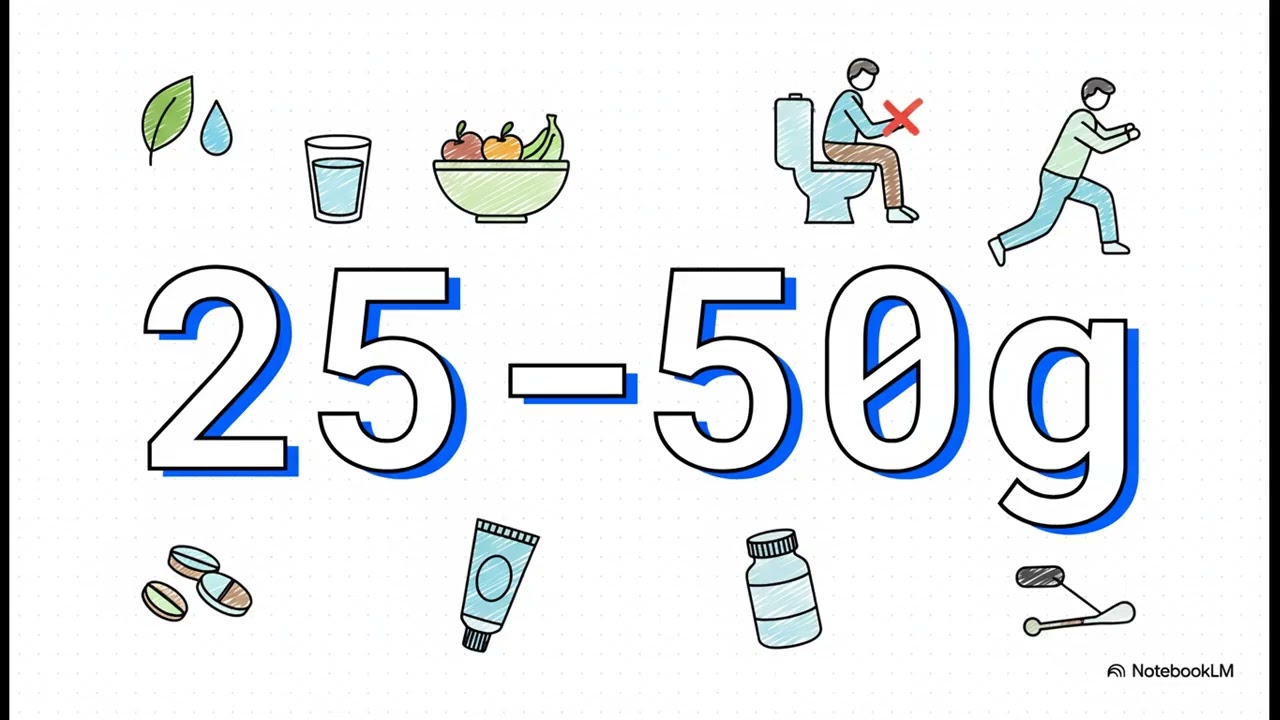
- Eat a high-fiber diet: Aim for 25 to 30 grams of fiber per day from foods like fruits, vegetables, and whole grains. A fiber supplement can also help.
- Drink plenty of fluids: Drink six to eight glasses of water and other liquids (not alcohol) each day to help keep stools soft.
- Don't strain: When you have a bowel movement, try not to strain, hold your breath, or push. Let it happen naturally.
- Go when you feel the urge: Don't wait. The longer you hold it, the harder the stool can become.
- Exercise: Stay active to help prevent constipation and reduce pressure on veins.
- Avoid long periods of sitting: If you have to sit for a long time, get up and move around every hour or so.
Frequently asked questions
Can hemorrhoids turn into cancer?
No, hemorrhoids are not cancerous and do not turn into cancer. However, the symptoms of hemorrhoids, particularly rectal bleeding, can be similar to the symptoms of colorectal cancer. It's very important to have any rectal bleeding evaluated by a doctor to rule out more serious conditions.
Are hemorrhoids permanent?
With proper treatment and lifestyle changes, the symptoms of hemorrhoids can often be controlled, and they may shrink. However, the weakened veins remain, and hemorrhoids can flare up again, especially with constipation or straining.
Is it safe to exercise with hemorrhoids?
Yes, regular exercise, like walking, can help prevent constipation and is good for your overall health. However, you might want to avoid activities that increase abdominal pressure, such as heavy lifting, which could make hemorrhoid symptoms worse.
References
- Davids JS, Ridolfi TJ. Hemorrhoids. In: Steele SR, Hull TL, Hyman N, Maykel JA, Read TE, Whitlow CB, eds. The ASCRS Textbook of Colon and Rectal Surgery. 4th ed. Springer; 2022:209-228.
- National Institute of Diabetes and Digestive and Kidney Diseases. Hemorrhoids. Published November 2016. Accessed October 11, 2025. https://www.niddk.nih.gov/health-information/digestive-diseases/hemorrhoids
- Mayo Clinic. Hemorrhoids. Published August 12, 2021. Accessed October 11, 2025. https://www.mayoclinic.org/diseases-conditions/hemorrhoids/symptoms-causes/syc-20360268