Pelvic Floor
Dyssynergic Defecation
Dyssynergic defecation is a common type of constipation where the pelvic floor muscles fail to relax and coordinate properly during a bowel movement, leading to straining.
Reviewed by Allen Kamrava, MD, MBA, FACS, FASCRS · Last reviewed 2025-10-12
Overview
What is dyssynergic defecation?
Dyssynergic defecation is a common, learned functional bowel disorder that causes chronic constipation. It is a primary form of functional outlet obstruction, where the muscles of the pelvic floor and anus do not relax correctly to allow for the passage of stool. During a normal bowel movement, you increase the pressure in your abdomen (push) while simultaneously relaxing the pelvic floor muscles and anal sphincter. In dyssynergic defecation, a person paradoxically contracts these muscles instead of relaxing them when they try to have a bowel movement. This creates a functional blockage, making it very difficult to empty the rectum, even when the stool is soft.
Symptoms
What are the symptoms?
Patients with dyssynergic defecation suffer from symptoms of obstructed defecation. The hallmark symptom is the feeling of being unable to completely empty the rectum.
Other common symptoms include:
- Excessive straining: Feeling the need to push very hard for a long time to have a bowel movement.
- Sensation of incomplete evacuation.
- Hard or lumpy stools.
- Infrequent bowel movements.
- Sensation of a blockage in the anorectal area.
- The need for manual maneuvers: Many patients report needing to use a finger to help pass stool, either by pressing on the perineum or by digitally removing stool from the rectum (digitation).
Causes & risk factors
What causes dyssynergic defecation?
Dyssynergic defecation is considered a learned behavioral problem; it is not a disease you are born with. The inability to coordinate the muscles for defecation can develop for several reasons:
- Habitual withholding: This can start in childhood, where a child may ignore the urge to defecate, leading to a learned pattern of inappropriate muscle contraction.
- Painful bowel movements: An experience with a painful condition like an anal fissure or thrombosed hemorrhoid can lead to a fear of defecation and an unconscious tightening of the pelvic floor muscles.
- Childbirth or pelvic injury: Trauma to the pelvic floor can sometimes disrupt the normal coordination of the defecation muscles.
In many cases, the specific cause is not known, but the result is a loss of the subconscious, coordinated process of having a normal bowel movement.
When to see a doctor
When should I see a doctor?
You should see a doctor if you are experiencing chronic constipation that does not respond to lifestyle changes like increasing fiber and water, especially if you have symptoms of straining, incomplete evacuation, or the need to use your fingers to help with bowel movements. These are classic symptoms of a defecatory disorder that can be effectively treated once diagnosed. A proper evaluation can determine if dyssynergic defecation is the cause of your constipation.
Diagnosis & tests
How is dyssynergic defecation diagnosed?
The diagnosis of dyssynergic defecation requires specialized testing to assess the function and coordination of the anorectal muscles during simulated defecation. The diagnosis is confirmed if tests show an inability to properly relax the pelvic floor muscles when trying to push.
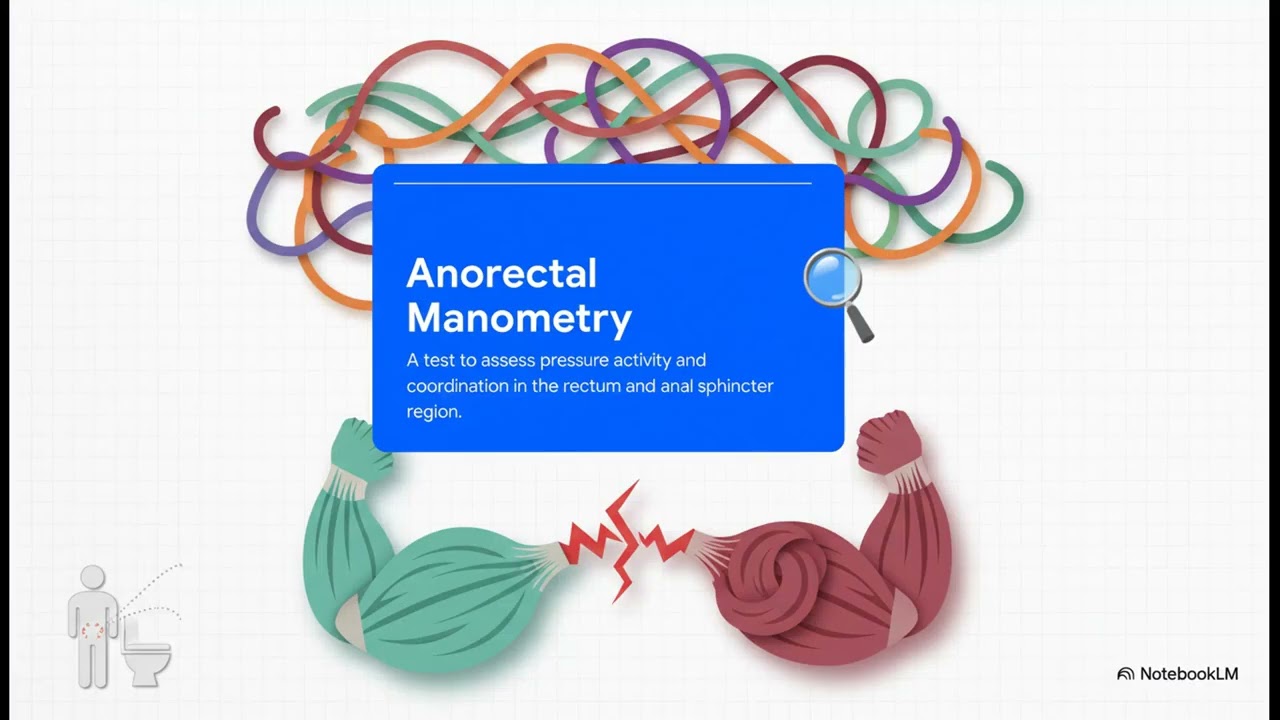
- Anorectal Manometry: This is the key test for diagnosis. A small, flexible catheter with pressure sensors is placed in the rectum and anal canal. You will be asked to squeeze, relax, and push. The test measures the pressures in your rectum and anal canal and can show the paradoxical increase in anal pressure or failure of the anal sphincter to relax during attempted defecation.
- Balloon Expulsion Test: A small, water-filled balloon is placed in your rectum and you are asked to expel it while sitting on a toilet. The inability to expel the balloon within 1-2 minutes is highly suggestive of a defecatory disorder.
- Defecography: This is a dynamic X-ray or MRI study that takes pictures while you are having a bowel movement with contrast paste. It can visually demonstrate the failure of the puborectalis muscle to relax (which keeps the anorectal angle acute) and the inability to empty the rectum.
Treatment
How is dyssynergic defecation treated?
The most effective treatment for dyssynergic defecation is pelvic floor biofeedback. Surgery is not an option for this condition as it is a functional, not an anatomical, problem.
- Biofeedback: This is a specialized form of physical therapy where you work with a trained therapist to retrain your muscles. The therapist uses sensors connected to a computer to give you real-time visual and auditory feedback on your muscle activity. This allows you to learn how to consciously relax your pelvic floor muscles while generating an effective pushing effort. Biofeedback is highly effective, with success rates of 70-80% in improving symptoms and restoring a normal pattern of defecation.
- Botulinum Toxin (Botox) Injections: In some refractory cases, injections of Botox into the puborectalis muscle can be used to help relax the muscle and can be an adjunct to biofeedback therapy.
- Laxatives and Stool Softeners: While these do not correct the underlying muscle problem, they are important for keeping the stool very soft, which can make evacuation easier while you are undergoing biofeedback therapy.
Self-care
Self-Care for Dyssynergic Defecation
While biofeedback is the primary treatment, there are several things you can do to help manage your symptoms.
- Proper Toileting Posture: Using a small footstool (like a Squatty Potty) to elevate your feet while on the toilet raises your knees and straightens the anorectal angle. This posture makes it physically easier for stool to pass and can reduce straining.
- Dietary Management: Maintain a high-fiber diet and drink plenty of fluids to ensure that your stool is soft and easy to pass. This reduces the amount of force needed to have a bowel movement.
- Bowel Retraining: Try to establish a regular time for a bowel movement each day, often 20-30 minutes after a meal, to take advantage of the body's natural gastrocolic reflex.
Frequently asked questions
Is dyssynergic defecation the same as anismus?
Yes, the terms are often used interchangeably. Dyssynergic defecation is the more current and accurate term because it describes the entire process of uncoordinated (dys-synergic) defecation, which includes not only the anal sphincter (anismus) but also the puborectalis muscle and the inability to generate an effective push.
Can surgery fix dyssynergic defecation?
No. Surgery, such as dividing the puborectalis muscle, has been tried in the past and has been shown to be ineffective and can lead to fecal incontinence. Dyssynergic defecation is a problem of muscle function and coordination, not an anatomical abnormality, so the treatment is retraining through biofeedback, not surgery.
How long does biofeedback take to work?
Most biofeedback programs involve 4 to 6 sessions with a trained therapist over several weeks. Many patients begin to see improvement within the first few sessions. The key to long-term success is practicing the techniques you learn at home.
References
- Zutshi M, Oliveira LCC. Treatment of Difficult/Obstructive Defecation. In: Steele SR, Hull TL, Hyman N, Maykel JA, Read TE, Whitlow CB, eds. The ASCRS Textbook of Colon and Rectal Surgery. 4th ed. Springer; 2022:1007-1017.
- Rao SSC, Welcher KD, Leistikow JS. Obstructive defecation: a failure of rectoanal coordination. Am J Gastroenterol. 1998;93(7):1042-1050.
- Cleveland Clinic. Anismus (Dyssynergic Defecation). Accessed September 28, 2026. https://my.clevelandclinic.org/health/diseases/23138-anismus-dyssynergic-defecation