Anorectal
Anal Fissure
An anal fissure is a small tear in the lining of the anus that can cause sharp pain and bleeding during and after bowel movements.
Reviewed by Allen Kamrava, MD, MBA, FACS, FASCRS · Last reviewed 2025-10-11
Overview
What is an anal fissure?
An anal fissure is a small, linear tear in the thin, moist tissue (anoderm) that lines the anus. It is a common condition that can cause significant pain, particularly during and after bowel movements. Fissures often lead to a cycle of pain, which causes spasm of the anal sphincter muscle. This spasm can reduce blood flow to the area, which in turn impairs healing and makes the next bowel movement even more painful.
Fissures are classified as:
- Acute: A new tear that looks like a fresh paper cut and has been present for less than six weeks.
- Chronic: A tear that has been present for more than six weeks, or that recurs frequently. A chronic fissure often has a deeper tear, may have scar tissue at its edges, and is sometimes associated with a small external skin tag (sentinel pile) or an enlarged anal papilla internally.
Symptoms
Common Symptoms
The primary symptoms of an anal fissure are:
- Sharp, tearing, or burning pain: This pain occurs during bowel movements and can last for several minutes to hours afterward.
- Bleeding: You may notice a small amount of bright red blood on the toilet paper or in the toilet bowl.
- Anal Spasm: A feeling of tightness or spasm in the anal muscle (sphincter).
- Itching: The area around the fissure may become itchy or irritated.
- Skin Tag: A small lump or skin tag may develop near the fissure, especially in chronic cases.
Causes & risk factors
What causes an anal fissure?
Anal fissures are typically caused by trauma to the anal canal. Common causes include:
- Passing hard, dry stools: Constipation is the most frequent cause, leading to stretching and tearing of the anal lining.
- Chronic diarrhea: Frequent, loose stools can also irritate and damage the anal canal.
- Childbirth: Trauma during vaginal delivery can cause fissures.
- Straining during bowel movements.
- Less common causes: Anal intercourse, inflammatory bowel disease (like Crohn's disease), or, rarely, anal cancer or infections like tuberculosis or syphilis can lead to fissures.
When to see a doctor
When should I see a doctor?
You should consult a healthcare provider if you experience severe pain with bowel movements or any rectal bleeding. While many fissures heal with self-care, a doctor can confirm the diagnosis, rule out other conditions, and recommend the most appropriate treatment. Seek medical advice if:
- The pain is severe and debilitating.
- The fissure does not improve with home treatment after 1–2 weeks.
- You have heavy rectal bleeding.
- Your symptoms are accompanied by fever or other signs of infection.
Urgent — get care now
When is it an emergency?
While an anal fissure is rarely an emergency, you should seek immediate medical attention if you experience severe rectal bleeding, especially if it is continuous or accompanied by dizziness or lightheadedness. Severe, unrelenting anal pain that is not relieved by any measures could also be a sign of a complication that needs urgent evaluation.
Diagnosis & tests
How is an anal fissure diagnosed?
An anal fissure is usually diagnosed based on a careful history and a gentle physical examination. In most cases, the tear is visible by gently spreading the buttocks.
- Visual Inspection: The doctor will carefully examine the skin around the anus.
- Gentle Digital Rectal Exam: If the pain allows, a gentle finger exam may be performed to assess the anal sphincter tone. Often, a digital exam or anoscopy is deferred until the acute pain subsides.
- Anoscopy: A short, lighted scope may be used to look inside the anal canal to confirm the diagnosis and rule out other conditions like hemorrhoids.
- Further testing: If the fissure is in an unusual location (not in the posterior or anterior midline) or if it does not heal with treatment, further tests like a colonoscopy may be needed to look for underlying conditions such as Crohn's disease.
Treatment
How is an anal fissure treated?
Most acute fissures can heal with conservative, non-surgical treatments aimed at softening the stool and relaxing the anal sphincter muscle.
Non-Surgical Treatments:
- Dietary Changes: Increasing fiber intake through diet and supplements, along with drinking plenty of fluids, helps to soften stools and prevent straining.
- Sitz Baths: Soaking in warm water for 10–15 minutes several times a day can help relax the anal sphincter and relieve pain.
- Topical Medications: Prescription creams can help relax the anal sphincter and increase blood flow to promote healing. These include:
- Nitroglycerin ointment: Applied to the anal area, it helps relax the sphincter.
- Calcium channel blocker ointments (e.g., nifedipine or diltiazem): These also help relax the sphincter muscle and often have fewer side effects than nitroglycerin.
- Botulinum Toxin (Botox) Injections: Injecting Botox into the internal anal sphincter can temporarily paralyze the muscle, relieving spasm and allowing the fissure to heal.
Surgical Treatment:
- Lateral Internal Sphincterotomy (LIS): For chronic fissures that do not respond to other treatments, surgery may be recommended. LIS is a procedure where a small portion of the internal anal sphincter muscle is cut. This permanently reduces the spasm and pressure, allowing the fissure to heal. It is a highly effective procedure but carries a small risk of minor, long-term incontinence.
Self-care
Self-Care for Anal Fissures
Many anal fissures can be managed effectively at home with simple steps:
- Increase Fiber and Fluids: Eat more fruits, vegetables, and whole grains. Aim for 25–35 grams of fiber daily. Consider a fiber supplement like psyllium or methylcellulose. Drink at least 8 glasses of water a day.
- Take Warm Baths (Sitz Baths): Soaking the anal area in warm water for 10-15 minutes, two to three times a day, can relieve discomfort and relax the anal muscles.
- Avoid Straining: Try not to strain during bowel movements. If you feel the urge to go, don't delay, as this can make the stool harder.
- Gentle Hygiene: After bowel movements, gently clean the anal area with plain water or a moist towelette. Avoid harsh soaps and vigorous wiping. Pat the area dry.
Frequently asked questions
Can an anal fissure become cancerous?
No, a typical anal fissure is a benign condition and does not turn into cancer. However, if a fissure-like wound does not heal or looks unusual, it's important for a doctor to evaluate it to rule out other, more serious conditions, including rare forms of anal cancer.
How long does it take for an anal fissure to heal?
With proper conservative treatment, acute fissures often heal within a few weeks. Chronic fissures may take six to eight weeks or longer to heal with medication. If a fissure doesn't heal with non-surgical treatments, surgery may be necessary.
Will I need surgery for an anal fissure?
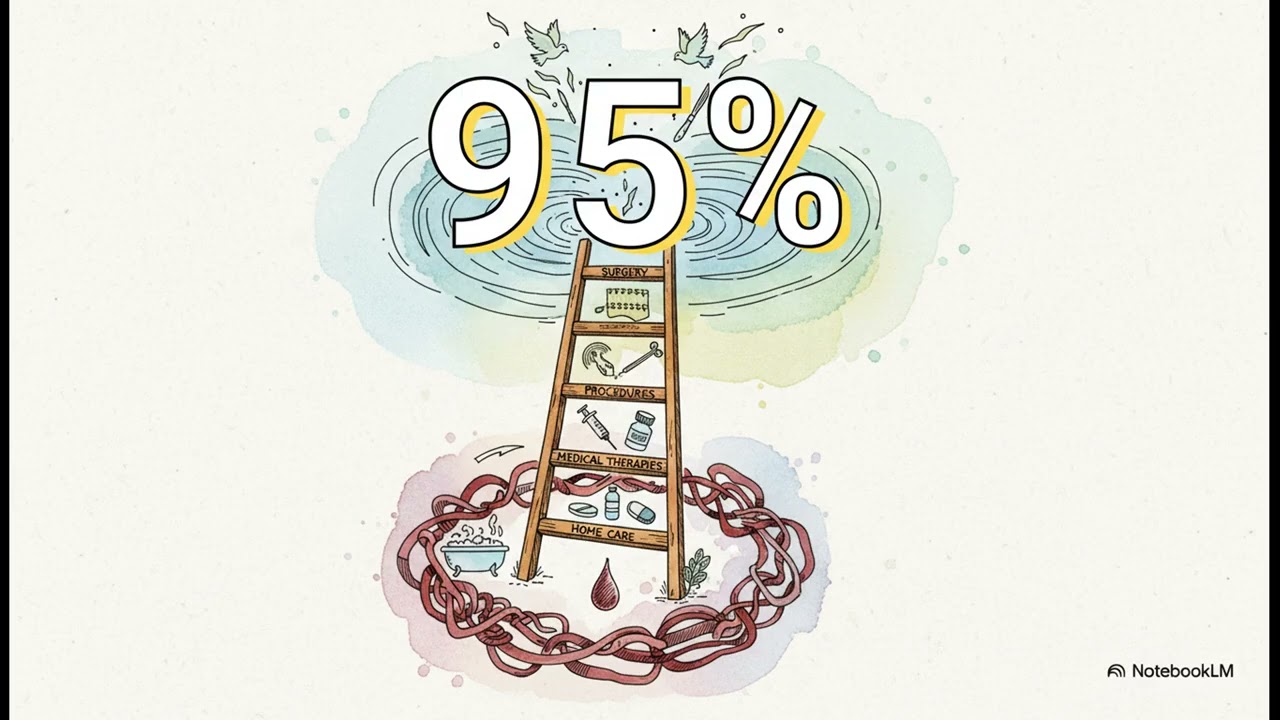
Not necessarily. Over 80% of acute anal fissures heal with dietary changes and home care. For chronic fissures, topical medications are often effective. Surgery, specifically a lateral internal sphincterotomy, is usually reserved for chronic fissures that have failed to heal with other treatments.
References
- Tsikitis VL, Marecik S. Anal Fissure and Anal Stenosis. In: Steele SR, Hull TL, Hyman N, Maykel JA, Read TE, Whitlow CB, eds. The ASCRS Textbook of Colon and Rectal Surgery. 4th ed. Springer; 2022:231-248.
- Cleveland Clinic. Anal Fissure. Accessed September 28, 2026. https://my.clevelandclinic.org/health/diseases/13177-anal-fissures
- American Society of Colon and Rectal Surgeons. Anal Fissure Expanded Information. Accessed September 28, 2026. https://fascrs.org/Web/Patients/Diseases-and-Conditions/A-Z/Anal-Fissure-Expanded-Information.aspx