The Twisted Bowel: What You Need to Know
This content breaks down volvulus (twisted bowel), a condition where the twist creates a total roadblock, trapping gas and fluid, and potentially cutting off the blood supply to the tissue. The location of the twist determines the treatment plan.
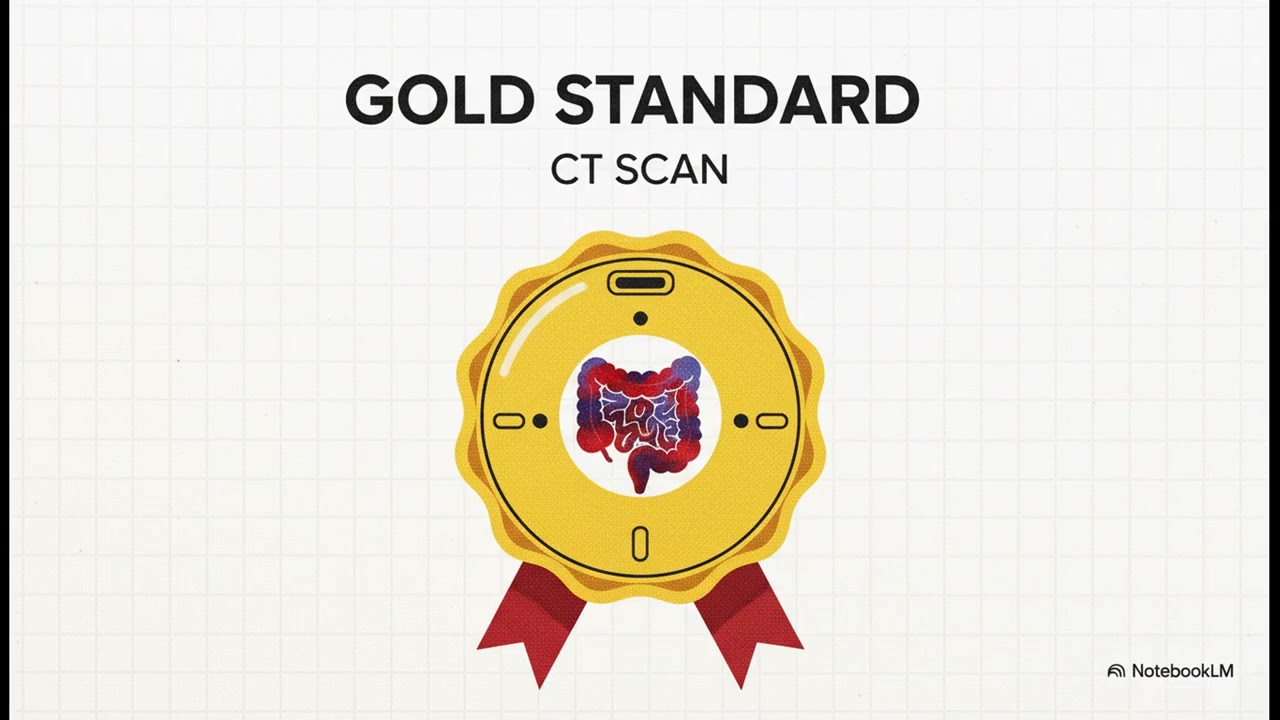
This is the more common type (60% of cases), occurring in the S-shaped colon, typically in older men. Symptoms include major abdominal swelling (distension), pain, and inability to pass gas or have a bowel movement. Diagnosis involves X-rays (looking for the "coffee bean sign" or "bird's beak sign" with dye) and confirmation via CT scan, which is nearly 100% accurate. Initial relief is provided by endoscopic detorsion (using a scope to untwist the bowel). However, because the risk of recurrence is high (45–70%), planned surgery to remove the floppy colon section is the standard permanent recommendation.
This type occurs where the small and large intestines meet, is less common, and is often seen in younger women. This is a surgical emergency as endoscopic detorsion is ineffective. The standard of care requires immediate surgery, specifically a right hemicolectomy, to remove the twisted section and reconnect the healthy ends.


