Colon and Rectum
Colorectal Cancer
Colorectal cancer is a malignancy that develops in the colon or rectum, often originating from pre-cancerous polyps.
Reviewed by Allen Kamrava, MD, MBA, FACS, FASCRS · Last reviewed 2025-10-12
Overview
What is colorectal cancer?
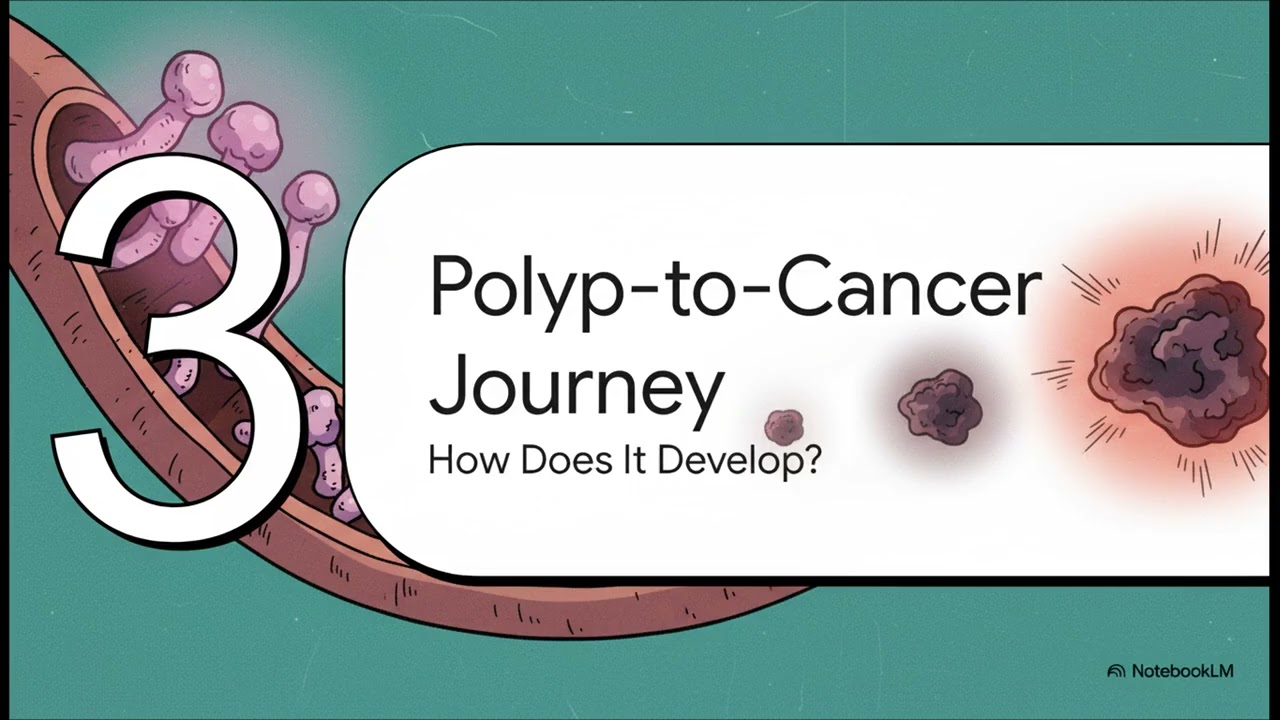
Colorectal cancer is a type of cancer that begins in the large intestine (colon) or the rectum. It is the third most common cancer diagnosed in both men and women in the United States. Most colorectal cancers start as a small, non-cancerous growth called a polyp. Over a period of several years, some of these polyps can develop into cancer. Regular screening is key to preventing colorectal cancer because it allows for the detection and removal of polyps before they become malignant. When caught early, colorectal cancer is highly treatable.
Symptoms
What are the symptoms of colorectal cancer?
In its early stages, colorectal cancer often has no symptoms. As the tumor grows, it can cause symptoms such as:
- A change in bowel habits: This includes diarrhea, constipation, or a change in the consistency of your stool that lasts for more than a few weeks.
- Rectal bleeding or blood in your stool.
- Persistent abdominal discomfort: Such as cramps, gas, or pain.
- A feeling that your bowel doesn't empty completely.
- Weakness or fatigue.
- **Unexplained weight loss.
Causes & risk factors
What causes colorectal cancer?
Colorectal cancer begins when healthy cells in the colon or rectum develop changes (mutations) in their DNA. These mutations cause the cells to grow and divide uncontrollably, forming a tumor. The exact cause is not always clear, but several risk factors are known to increase the likelihood of developing the disease:
- Age: The risk increases significantly after age 45.
- Personal history: A history of colorectal polyps or colorectal cancer.
- Family history: Having a close relative with the disease.
- Inherited syndromes: Conditions like Lynch syndrome and Familial Adenomatous Polyposis (FAP).
- Inflammatory bowel disease: Chronic ulcerative colitis or Crohn's disease.
- Lifestyle factors: A diet low in fiber and high in red and processed meats, lack of regular physical activity, obesity, smoking, and heavy alcohol use.
When to see a doctor
When should I see a doctor?
You should see a doctor if you have any of the symptoms of colorectal cancer, especially rectal bleeding or a persistent change in your bowel habits. It's also important to follow recommended screening guidelines, even if you have no symptoms. The American Cancer Society recommends that average-risk individuals begin screening at age 45. Early detection dramatically improves the chances of successful treatment.
Urgent — get care now
When is it an emergency?
While colorectal cancer develops over time, it can lead to acute emergencies. Seek immediate medical attention if you experience:
- Severe abdominal pain, bloating, and inability to pass gas or stool: These can be signs of a large bowel obstruction caused by the tumor.
- Heavy, continuous rectal bleeding, or signs of severe blood loss like dizziness, weakness, or fainting.
Diagnosis & tests
How is colorectal cancer diagnosed?
If you have symptoms or an abnormal screening test, your doctor will likely recommend a colonoscopy. This is the most definitive test for diagnosing colorectal cancer. During a colonoscopy, a doctor can view the entire colon and rectum and take a tissue sample (biopsy) of any abnormal areas. The biopsy is then examined by a pathologist to confirm the presence of cancer cells.
Once cancer is diagnosed, further tests are needed to determine the extent, or stage, of the cancer. These staging tests may include:
- Blood tests: To check for anemia and to measure carcinoembryonic antigen (CEA), a tumor marker.
- Imaging tests: A CT scan of the chest, abdomen, and pelvis is used to see if the cancer has spread to lymph nodes or other organs like the liver or lungs. For rectal cancer, a pelvic MRI is often used to get detailed images of the tumor and its relationship to surrounding structures.
Treatment
How is colorectal cancer treated?
Treatment for colorectal cancer depends on its stage and location. The main treatments are surgery, chemotherapy, and radiation therapy.
- Surgery: This is the primary treatment for most localized colon and rectal cancers. The goal is to remove the tumor along with a section of the healthy colon or rectum and nearby lymph nodes (colectomy or proctectomy).
- Chemotherapy: This is often used after surgery (adjuvant chemotherapy) for stage III and some high-risk stage II cancers to kill any remaining cancer cells and reduce the risk of recurrence. It is the main treatment for cancer that has spread to other parts of the body (metastatic or stage IV cancer).
- Radiation Therapy: This is most commonly used for rectal cancer. It is often given before surgery (neoadjuvant therapy), usually in combination with chemotherapy, to shrink the tumor and make it easier to remove completely, reducing the risk of local recurrence.
- Targeted Therapy and Immunotherapy: For advanced cancers, newer drugs that target specific molecular changes in the cancer cells or that help the immune system fight the cancer may be used.
Frequently asked questions
Can colorectal cancer be cured?
Yes, especially when it is found early. For cancers that are confined to the colon or rectum (Stage I, II, and III), surgery offers a high chance of cure, often combined with chemotherapy. Even in some cases where the cancer has spread to the liver or lungs (Stage IV), a combination of surgery and chemotherapy can lead to a cure.
What is the difference between colon cancer and rectal cancer?
Colon cancer and rectal cancer are often grouped together as colorectal cancer because they have many features in common. The main difference is their location. The rectum is the last several inches of the large intestine. Because the rectum sits deep in the pelvis surrounded by other organs, treatment for rectal cancer often involves radiation therapy before surgery, which is not typically used for colon cancer.
References
- Glasgow SC, Hardiman KM. Sporadic and Inherited Colorectal Cancer: How Epidemiology and Molecular Biology Guide Screening and Treatment. In: Steele SR, Hull TL, Hyman N, Maykel JA, Read TE, Whitlow CB, eds. The ASCRS Textbook of Colon and Rectal Surgery. 4th ed. Springer; 2022:397-412.
- National Cancer Institute. Colon Cancer Treatment (PDQ®)–Patient Version. Published May 30, 2024. Accessed October 12, 2025. https://www.cancer.gov/types/colorectal/patient/colon-treatment-pdq
- Mayo Clinic. Colon Cancer. Accessed October 12, 2025. https://www.mayoclinic.org/diseases-conditions/colon-cancer/symptoms-causes/syc-20353669