Clostridioides difficile Infection
Episode Duration
59 MinutesPublished
May 12, 2026Category
Colorectal Surgery | C. difficile | Infectious Disease | Antibiotic Therapy | Emergency SurgeryHear Us on Spotify
Hear Us on Apple Music
Episode Summary
For two decades, metronidazole was the reflex first move for C. difficile. This episode explains why that reflex is now outdated and walks the full arc of the disease — from the reclassification to Clostridioides difficile and the hypervirulent ribotype 027 strain, through the risk factors that drive it (antibiotics, PPIs, IBD, immunosuppression), the toxins that do the damage, and the stepwise diagnostic algorithm — into current medical therapy with vancomycin and fidaxomicin and, when the disease turns fulminant, the surgical decision tree. Drawn from Chapter 52 of the ASCRS Textbook of Colon and Rectal Surgery, it's built for clinicians who need to stay current.Key Highlights
- Why metronidazole monotherapy is no longer the default — and the recurrence risk in ribotype 027 patients
- The nomenclature change from Clostridium to Clostridioides difficile, and why it matters
- What makes the hypervirulent 027 strain more dangerous
- Institutional and patient risk factors, from antibiotic exposure to hospitalization
- Immunocompromise, IBD, and PPIs as risk amplifiers
- How PPIs act as a direct catalyst for C. diff virulence
- The bowel-prep paradox and the question of IV antibiotic duration
- The molecular weapons: C. diff's toxins and how they damage the colon
- Colonization versus active infection — and why the distinction changes management
- The stepwise diagnostic algorithm, and how to avoid over-diagnosing colonized patients
- IDSA versus ACG severity scoring, and where the two frameworks diverge
- Evolving medical therapy: vancomycin and fidaxomicin
- Maximum medical therapy for fulminant disease
- Why total abdominal colectomy with end ileostomy remains the surgical gold standard
- The one operation never to perform in C. diff — and the data on why partial colectomy is a fatal error
- The colon-preserving loop ileostomy with antegrade colonic lavage as an alternative
- Where the field is heading, including bacteriophage therapy
Who Should Listen?
This episode is valuable for:- Colon and rectal surgeons
- General surgeons managing emergency and critically ill patients
- Gastroenterologists and infectious disease clinicians
- Surgical and medical residents and fellows preparing for boards
- Hospitalists and intensivists
- Antimicrobial stewardship and infection-control teams
Key Topics Covered
| Topic | Discussion |
|---|---|
| Nomenclature & Microbiology | Reclassification to Clostridioides; the ribotype 027 strain |
| Risk Factors | Antibiotics, hospitalization, immunocompromise, IBD, PPIs |
| Pathophysiology | Toxin-mediated colonic injury |
| Colonization vs. Infection | Why the distinction drives testing and treatment |
| Diagnosis | The stepwise algorithm; IDSA vs. ACG severity scoring |
| Medical Therapy | Vancomycin, fidaxomicin, and fulminant-disease escalation |
| Surgical Management | Total abdominal colectomy vs. loop ileostomy with lavage |
| The Future | Bacteriophage therapy and emerging approaches |
Featured Quote
"Under no circumstances should a surgeon perform a partial or segmental colectomy for this. The temptation is to minimize surgical trauma with a right hemicolectomy — but that is a consistently fatal error."— Colorectal Surgery Review, Episode Discussion
Transcript
Host: For 20 years you've reflexively ordered metronidazole as first-line therapy for postoperative patients developing Clostridioides difficile. Guest: Right. It was just muscle memory. Host: Exactly. But if your patient is colonized with the hypervirulent ribotype 027 strain, the latest data shows metronidazole monotherapy makes them more than twice as likely to fail therapy and suffer a recurrence…0:00Metronidazole Failure and Initial C. diff Overview
For 20 years you have reflexively ordered metronidazole as the first line therapy for your post operative patients, the ones developing Clostridium difficile.
[00:10] Guest:Right.
It was just, you know, muscle memory.
[00:12] Host:Exactly.
It was muscle memory.
But if your patient happens to be colonized with this hyper virulent zero to seven strain, well, the latest data shows that relying on metronidazole monotherapy makes them like more than twice as likely to fail therapy.
0:27
Yeah.
[00:28] Guest:And suffer a recurrence.
[00:29] Host:Right.
It is essentially a coin flip whether you are adequately treating the infection or you know, setting them up for a rapid progression to toxic megacolon.
[00:37] Guest:Which is terrifying, honestly.
[00:39] Host:It really is so welcome to Colorectal surgery review.
The goal of this deep dive is to review the most clinically relevant high yield material to keep ourselves completely up to date as practicing clinicians.
[00:50] Guest:Because things change fast.
[00:52] Host:They really do, and for this one we are pulling directly from Chapter 52 of the authoritative ASCRS textbook of Colon and Rectal Surgery.
This is the 2022 edition authored by Dr. Ian M Paquette and Doctor David B Stewart.
[01:06] Guest:It's an incredible chapter.
[01:07] Host:Yeah.
So we are going to examine the shifting paradigms, the exact decision trees and, you know, the testable minutia that show up on board exams and in service training exams.
[01:17] Guest:Right, the stuff that really separates outdated Dotna from current evidence based surgical management.
Exactly.
You know, the landscape of infectious complications in our field, It is fundamentally altered over the last decade.
[01:29] Host:Oh, absolutely.
[01:29] Guest:What we just accepted as the standard of care during residency might actually now be the exact mechanism driving a patient's morbidity.
[01:38] Host:Which is a sobering thought.
[01:40] Guest:It really is, and the ASCRS chapter meticulously details how this specific pathogen has evolved.
You know how our diagnostic algorithms have been completely overhauled to prevent massive overdiagnosis?
[01:53] Host:Which was a huge problem.
[01:54] Guest:Massive and why?
Our surgical approach to forminate colitis requires just an incredible degree of precision and patient selection.
2:02The Clostridioides Difficile Nomenclature Reclassification
Now we have to recalibrate our understanding, and really that starts with the very identity of the Organism itself.
[02:08] Host:OK, let's unpack this nomenclature shift, because it is a highly testable point that also perfectly highlights how molecular genetics is basically overriding classic microbiology.
[02:20] Guest:Oh, totally.
[02:21] Host:I mean, we have spent our entire careers calling it Clostridium difficile, but the genus has officially been reassigned.
[02:28] Guest:It has.
[02:29] Host:The ASCRS text notes that the pathogen actually belongs to the genus Clostridioids, not Clostridium.
[02:35] Guest:Right.
And just for phonetic clarity, because people ask, that is close tridio ways.
[02:40] Host:DOYDS got it.
And the reasoning behind this reclassification is deeply rooted in phylogenetic sequencing, right?
[02:48] Guest:Exactly.
When you look at the historical classification, it was based primarily on phenotypic traits.
[02:54] Host:Like how it looked under the microscope.
[02:55] Guest:Right.
It was an anaerobic gram positive spore forming rod, right?
So microbiologists just grouped it into the Clostridium genus alongside, you know, Clostridium perfringens and Clostridium Teutonic.
[03:06] Host:Makes sense at the time, sure.
[03:07] Guest:But then, with the advent of advanced ribosomal RNA sequencing, the whole phylogenetic tree basically had to be redrawn.
Yeah, the genetic sequencing revealed that this pathogen actually shares far more genetic homology with the genus Pepto, Clostridium.
[03:24] Host:Wait, Pepto Clostridium.
[03:25] Guest:Yeah, it has way more in common with that than it does with the true Clostridium cluster, which technically is now restricted to just Clostridium butyricum and its closest relatives.
[03:35] Host:Which, I mean, that raises an obvious logistical question for me.
If the sequencing places it closer to Pepto Clostridium, why didn't the taxonomic committee simply rename it Pepto Clostridium Difficile?
[03:45] Guest:That is the exact question everyone had, and the authors of the chapter point out that this was heavily debated.
[03:51] Host:I bet.
[03:52] Guest:But ultimately, they abandon it due to the sheer logistical and financial chaos it would have unleashed on the global healthcare system.
[03:59] Host:OK, that's fascinating.
Like a corporate rebrand.
[04:01] Guest:Exactly.
Think about the downstream effects of changing the acronym.
Every single hospital infection control protocol, Every electronic medical record?
Diagnostic code?
Public health literature.
[04:12] Host:Decades of pharmacological labeling.
[04:14] Guest:Right.
All of it relies on the acronym C DIFF.
So the financial burden of globally rewriting Emrs and retraining clinical staff to recognize a new acronym like P Diff.
[04:28] Host:P diff just sounds wrong.
[04:29] Guest:It does, and it was deemed completely unacceptable by the powers that be.
[04:32] Host:So it's basically like a company that totally changes its underlying business model, but they keep the famous acronym so that the stock ticker doesn't confuse the investors.
[04:41] Guest:That is a perfect analogy.
The taxonomy was essentially finessed.
They established the new genus Clostridioids right, which is taxonomically accurate enough to separate the pathogen from the true Clostridia, but it was deliberately chosen because it retains the starting letter C.
[04:57] Host:Ah, so the acronym is preserved exactly.
[04:59] Guest:C diff remains C diff.
[05:01] Host:That's incredibly clever, honestly.
5:03Understanding the Hypervirulent Ribotype 027 Strain
But, you know, while the name was shielded for convenience, the actual epidemiological threat level of this bug has escalated dramatically.
Oh, what a doubt.
The data in this chapter highlights a pathogen that has transitioned from just a a sporadic nosocomial nuisance to a dominant systemic threat.
[05:20] Guest:The numbers are actually pretty sobering.
C diff is now responsible for more than 20% of all cases of antibiotic associated diarrhea.
[05:28] Host:Wow, one in five, Yeah.
[05:30] Guest:But the more critical benchmark, especially for us as practicing surgeons, is that in many hospital environments it is officially surpassed MRSA.
[05:38] Host:Wait, really?
It beat MRSA.
[05:41] Guest:Yeah, it is now the most common hospital acquired infection.
[05:44] Host:Eclipsing methicillin resistant Staphylococcus aureus is just a massive epidemiological shift.
It's huge.
And the economic footprint, I mean, it's staggering.
The chapter sites an annual economic burden to the US healthcare system of approximately $3 billion.
[05:59] Guest:3 billion with AB.
[06:01] Host:With AB, yeah.
And when you isolate the direct hospital, costs attributable to just a single patient stay complicated by a CDI.
The range spans from roughly $8900 to just over $30,000 per patient.
[06:14] Guest:Which is a massive systemic drain, Yeah.
And it's driven largely by the emergence of these hyper virulent strains that honestly simply did not exist in significant numbers 20 years ago.
[06:24] Host:Right, which brings us to the specific strain that every single bore certified surgeon must absolutely we commit to memory.
[06:31] Guest:Ribotype 02/7.
[06:32] Host:Ribotype 02/7.
This is the hyper virulent phenotype driving the increased severity and mortality we're seeing on the wards.
But what specifically separates ribotype 027 from the standard endemic strains we used to see?
[06:46] Guest:Well, the text points to a massive up regulation in its genetic arsenal.
The virulence profile of Ribotax 027 is fundamentally different.
[06:55] Host:How so?
[06:56] Guest:So compared to endemic strains, ribotype 027 produces more than 15 times the amount of the primary large cluster deal toxins as toxins A&B.
[07:05] Host:15 times, yeah.
[07:07] Guest:It is an absolute super producer and furthermore it produces 1/3 toxin known as binary toxin which drastically alters the cellular architecture of the host colonoscite.
[07:15] Host:Just to favor bacterial colonization.
[07:18] Guest:Exactly.
[07:18] Host:So 15 times the toxin production perfectly correlates with the higher incidence of toxic megacolon and you know the full minute colitis we encounter surgically.
[07:26] Guest:It maps perfectly.
[07:27] Host:But examining the epidemiology, where is this specific zero to seven strain thriving?
[07:32] Guest:It has a profound association with long term care facilities.
[07:35] Host:OK.
[07:36] Guest:The text cites literature demonstrating an odds ratio of 4.87 for this specific zero to seven strain being present in patients admitted from long term care facilities compared to those admitted directly from private residences.
[07:51] Host:An odds ratio approaching 5 is immense, but let me push back a little here.
Does this imply that advanced age is the primary driving factor for the severity, or is the environment itself selecting for this pathogen?
[08:03] Guest:That's the key question, and it's the environment.
The environment is acting as this massive evolutionary pressure cooker.
[08:08] Host:How do we know that?
[08:09] Guest:When researchers analyzed the comparative bacterial genomics, they found that ribotype 0, 27 actually possesses over 200 unique genes.
Yeah, 200 genes that are completely absent in endemic strains of C diff.
These genes granted a profound selective advantage in colonizing the human gut.
8:29
So in a long term care facility, right, you have high density of patients subjected to frequent courses of broad spectrum antibiotics.
They're sharing a confined environment.
[08:38] Host:So the weak strains die off.
[08:40] Guest:Exactly.
This genetically superior hypervirulent strain simply outcompetes the normal flora and the lesser endemic strains for resources.
[08:49] Host:And this circles back to the clinical trap I mentioned at the very beginning regarding metronidazole.
[08:53] Guest:Yes, the Falcone study.
[08:55] Host:Right.
The Falcone study explicitly examined clinical responses to antibiotic treatment, stratifying patients into zero to seven positive versus zero to seven negative cohorts.
[09:06] Guest:And the findings there, they really dictate an immediate change in clinical practice.
[09:10] Host:Yeah, they do.
[09:11] Guest:For patients confirmed or even highly suspected to be infected with the ribotype 027 strain, utilizing matronidazole monotherapy resulted in a hazard ratio of 2.38 for recurrent infection.
[09:23] Host:A hazard ratio of 2.38.
You are more than twice as likely to experience treatment failure.
It's unaccessible.
It is.
This fuss is a hard pivot away from historical algorithms.
The authors strongly advocate for vancomycin as the primary immediate treatment over metronidazole in these settings.
9:38Unpacking Institutional and Patient Risk Factors
Without question.
[09:39] Host:Now, since the environment clearly plays such a massive role in the propagation of these hyper virulent strains, we really need to carefully decode the risk factors.
[09:48] Guest:We do because the literature provides some highly counterintuitive data regarding what actually predisposes A surgical patient to a post operative infection.
[09:57] Host:Right, let's talk about age versus comorbidity.
[10:00] Guest:Sure.
So advanced age, specifically over 65, is frequently cited as an independent risk factor, you know, correlating with lower cure rates and higher recurrences.
[10:10] Host:Which makes intuitive sense.
[10:11] Guest:It does.
However, the chapter emphasizes that when you actually control for all variables, medical comorbidities and the overall physiological frailty of the patient, rather than chronological age alone, are the true internal drivers predisposing patients to CDI.
[10:28] Host:But the internal comorbidity is kind of pale in comparison to the external institutional factors.
Well, absolutely.
The Aquina study is featured prominently in the text, and it completely subverts the standard assumption of who is to blame when a postcolectomy patient develops C diff.
[10:43] Guest:The methodology of the Aquina study is incredibly robust and honestly highly relevant for board review.
[10:49] Host:Tell us about it.
[10:51] Guest:They utilized a massive New York statewide database.
They captured over 150,000 patients who underwent either a segmental colectomy or a protectomy.
[11:01] Host:That is a massive sample size.
[11:03] Guest:It is, and the primary endpoint was analyzing the variance in nosocomial CDI rates across different institutions.
[11:11] Host:OK.
And what did they find?
[11:12] Guest:What they discovered is that patient specific factors, their age, their ASA class, their specific comorbidities, their immune status.
[11:21] Host:All the stuff we normally blame.
[11:22] Guest:Right.
All of that only accounted for 24% of the variation in whether they developed postcolectomy CDI.
[11:28] Host:Even a staggering 70% of the variation to be explained by institutional factors.
[11:33] Guest:70% The vast majority of the risk of patient faces is dictated by the systemic environment of the facility they are admitted to, not their own biology.
[11:42] Host:We have to drill down into those unexplained hospital factors because that 70% variance represents modifiable institutional behavior.
What specific variables are driving this?
[11:53] Guest:It really encompasses the entire operational workflow of the facility.
For instance, variations in intuitive care unit bed occupancy rates play a huge role.
Higher occupancy invariably leads to higher transmission rates due to staffing strain and just the sheer speed of turnover.
[12:10] Host:That makes sense.
Fast turnover means less thorough cleaning.
[12:13] Guest:Exactly.
But the most highly tested point regarding infection control revolves around hand hygiene protocols.
[12:20] Host:The distinction between alcohol based sanitizers and mechanical soap and water.
[12:25] Guest:Precisely.
Remember C diff is a spore forming bacterium.
The spores are highly resilient to desiccation and chemical disruption.
They are tough, very alcohol based hand sanitizers which you know have become ubiquitous in every modern hospital corridor.
They are completely ineffective against C diff spores.
[12:41] Host:Wait, completely ineffective.
[12:43] Guest:Completely strict soap and water hand washing is mechanically required to physically dislodge the spores from the epidermis and literally wash them down the drain.
So.
[12:53] Host:The alcohol just moves them around on your hands.
[12:55] Guest:Pretty much, if an institution relies heavily on alcohol foam and suffers from poor compliance with soap and water protocols, specifically upon exiting CDI isolation rooms, there no socomo transmission rates will inevitably skew into that higher percentile of institutional variance.
[13:13] Host:That distinction alone should prompt every surgeon listening to just go audit their own floors isolation practices tomorrow 100% now looking at specific patient population that carry uniquely high risks, we have to highlight the immunocompromised and particularly for our specialty, the inflammatory bowel disease population.
13:31Immunocompromised, IBD, and PPI Risk Factors
Yes, a very critical subgroup.
[13:32] Host:Let's look at HIV positive patients first.
[13:35] Guest:In the HIV population, the degree of immunosuppression directly correlates with susceptibility.
The strongest identified risk factor for developing CDI in this cohort is a CD4 count of less than or equal to 50 cells per cubic millimeter.
[13:50] Host:And the risk jump is huge, right?
[13:51] Guest:The adjusted odds ratio for this severely depleted group is massive.
It ranges from 5.2 all the way up to 27.6.
[13:59] Host:That is astronomical.
And for patients with IBD encompassing both ulcerative colitis and Crohn's disease, the clinical stakes are exceptionally high, too.
They are, the chapter notes, a significant diagnostic challenge here, right, because clinical presentation with CDI most often occurs during an acute exacerbation of their underlying IBD.
[14:17] Guest:Yes, differentiating a severe UC flare from an acute C diff infection based on symptoms alone is practically impossible.
[14:26] Host:Because it's all just profuse bloody diarrhea and abdominal pain.
[14:29] Guest:Exactly.
But there's also a profound genetic susceptibility mapped out in the literature for these patients.
[14:35] Host:I didn't realize there was a genetic link.
[14:36] Guest:Yeah, the interplay between IBD and CDI isn't just opportunistic.
There's a map.
Genetic linkage studies have isolated a specific polymorphism in the TNFRS F-14 locus in IBD patients.
[14:48] Host:And what does that polymorphism do?
[14:50] Guest:The presence of this polymorphism is associated with a six fold increase in the development of CDIA.
[14:55] Host:Six fold genetic predisposition and the consequences of missing this superimposed infection in an IBD patient are catastrophic, often leading directly to the operating room.
[15:06] Guest:The textbook is incredibly explicit on this point.
IBD patients who contract CDI carry a six fold increase risk of requiring an emerging colectomy.
[15:16] Host:Because the organ loss rate is so severe.
[15:17] Guest:Right.
Because of that, the clinical guidelines demand that any patient presenting with severe colitis be immediately tested for CDI and crucially, they must be treated with early aggressive vancomycin.
[15:30] Host:You do not escalate their immunosuppression or biologics without first ruling out or concurrently treating a superimposed C diff infection.
[15:39] Guest:Never.
That is a critical absolute in management.
[15:42] Host:OK, So what does this all mean for daily management?
15:45PPIs: Direct Catalyst for C. diff Virulence
Let's look at another ubiquitous factor, proton pump inhibitors.
[15:48] Guest:Oh, the PPI's it.
[15:49] Host:Seems nearly every surgical patient is placed on a PPI upon admission, like automatically.
[15:54] Guest:And that routine prescribing habit is precisely what the recent literature really calls into question.
[15:59] Host:Let's get into the data.
[16:00] Guest:There are four major recent meta analysis covering an aggregate of over 300,000 patients.
They specifically evaluated the association between PPI administration and the development of CDI and.
[16:13] Host:What's the consensus?
[16:15] Guest:While the pooled data exhibits some heterogeneity based on study design, the consensus suggests an odds ratio of 1.6 to 1.7 for the development of CDI in hospitalized patients actively taking PPI's.
[16:28] Host:Historically, the assumption was just a simple pH mechanism, right?
The PPI raises the gastric pH, disabling the acid barrier, and that allows a higher load of ingested C diff spores or vegetative bacteria to survive transit into the lower GI tract.
[16:42] Guest:That was the running theory, but the textbook highlights an in vitro study by Stewart that points to a far more insidious pharmacological mechanism.
[16:50] Host:The Stewart study.
I found this part wild.
[16:52] Guest:It is fascinating because it isolates the drug's effect completely independent of the gastric environment.
[16:57] Host:How do they do that?
[16:58] Guest:They demonstrated in vitro that omeprazole actually stimulates the production of C diff toxins directly.
Wait.
[17:03] Host:The drug itself triggers the bacteria.
[17:05] Guest:Exactly and critically, it up regulates this toxin production in both acidic and basic environments.
The mechanism is not merely about surviving gastric transit.
The drug itself acts as a direct catalyst for the pathogens virulence expression.
[17:21] Host:So the clinical take away for the practicing surgeon is clear here.
The guidelines do not mandate the global discontinuation of PPI's for patients with a strict evidence based indication right like active peptic ulcer disease or severe erosive esophagitis.
[17:36] Guest:Right.
If they need it, they need it.
[17:37] Host:However, we must absolutely abandoned routine unjustified gastrointestinal prophylaxis if a post operative patient lacks A definitive indication.
Keeping them on a PPI is an active iatrogenic escalation of their CDI risk.
The.
[17:52] Guest:Threshold for prescribing these medications must be significantly raised.
It can't just be an automatic quarter set click.
17:58The Bowel Prep Paradox and IV Antibiotic Duration
This seamlessly transitions into a daily surgical controversy.
Honestly, perioperative antibiotics and the mechanical bowel preparation.
[18:05] Guest:The great bowel prep debate.
[18:06] Host:The management of the colonic microbiome prior to resection has undergone a massive pendulum swing over the last three decades, and the the current testable data presents a paradox compared to historical surgical dogma.
[18:17] Guest:It really is a complete 180.
[18:19] Host:Walk us through the history.
[18:20] Guest:If we look back decades, the standard of care was a comprehensive combination of mechanical bowel preparation and oral antibiotics, typically neomycin and erythromycin.
[18:29] Host:And the goal was simple.
[18:31] Guest:Very straightforward.
Mechanically decrease the gross fecal load and pharmacologically decrease the mucosal bacterial load to prevent anastomotic site infections.
[18:40] Host:But then the surgical community essentially panicked.
[18:42] Guest:We did.
There was a widespread theoretical fear that administering broad spectrum oral antibiotics would indiscriminately wipe out the normal protective colonic flora.
[18:53] Host:The textbook explicitly identifies these protective species right Bacteroids, Bifidobacteria, and Lucknospiracy.
[19:00] Guest:Yes, these are the prevalent species that confer robust colonization resistance against invading pathogens.
[19:06] Host:So the fear was that by wiping out this protective barrier with oral preps, we were leaving the colonic mucosa completely undefended.
[19:15] Guest:Practically inviting C diff to colonize the empty real estate.
Consequently, the practice of oral antibiotic preparation was largely abandoned by many surgeons in favor of mechanical prep alone or just no prep at all.
[19:27] Host:I remember that shift, but the contemporary data completely refutes that theoretical fear.
The large scale registry data is unequivocal.
[19:35] Guest:It is utilizing a mechanical bowel preparation combined with oral antibiotics actually decreases the rates of surgical site infections.
It significantly decreases anastomotic leak rates and entirely counter to the historical.
[19:49] Host:Fear.
Wait for it.
[19:50] Guest:It significantly decreases the incidence of post operative CDIA.
[19:53] Host:Decrease in post operative CDI following a blast of oral antibiotics seems completely paradoxical.
What is the physiological explanation for this?
[20:01] Guest:It really comes down to the duration of exposure and the systemic environment.
A brief, highly targeted intraluminal dose of oral antibiotics combined with mechanical clearance effectively resets the colonic microbiome in preparation for the severe physiological stress of surgery.
[20:19] Host:It clears the field rapidly.
[20:20] Guest:Crucially, it does this without providing C diff the prolonged systemic window it requires to establish a dominant pathogenic hold.
[20:29] Host:So the true culprit driving post operative CDI was never the brief oral prep, it was our mismanagement of systemic intravenous prophylaxis.
We used to think the oral prep caused the C diff, but the data actually points the finger at us leaving the IV antibiotics on for too long post op.
20:46
The ACRS chapter highlights a Pedro study by Bulch that should change every surgeon's post operative orders.
[20:51] Guest:The Bulch study is incredibly important.
They isolated the effect of prolonged intravenous prophylaxis.
[20:56] Host:And what did they find?
[20:57] Guest:They found that continuing perioperative systemic prophylactic antibiotics for greater than 24 hours post operatively results in a staggering 6.7 fold increase in the incidence of CDI compared to strict cessation at the 24 hour mark.
[21:12] Host:A 6.7 fold increase simply for leaving the Ivy, supoxetin or erdepenum running for an extra day on the floor.
[21:19] Guest:It's astounding.
[21:20] Host:That is an entirely self-inflicted surgical complication.
The standard is absolute, performing the mechanical prep.
Administer the oral antibiotics but shut down the systemic intravenous prophylaxis at 24 hours post op without exception.
[21:34] Guest:Adherence to that strict 24 hour cessation rule is arguably the single most impactful surging controlled variable in mitigating post operative CDI risk.
[21:44] Host:OK, let's shift our focus from the macro level ward management down to the microscopic level.
21:48Dissecting C. diff's Molecular Weapons and Toxins
Let's do it because to truly understand why C diff causes such profound mucosal necrosis, especially the fulminant life threatening cases that require total colectomy, we have to dissect the molecular weapons it deploys.
Let's discuss the genetics of the Pollock.
[22:02] Guest:Palac or pathogenicity locus.
It's a highly conserved 19.6 kilobase genetic region integrated directly into the bacterial chromosome.
[22:11] Host:And what does it do?
[22:12] Guest:This specific locus contains the structural genes for the two primary large closcridial toxins, toxin A, which is encoded by the tcda gene, and toxin B, encoded by the TCDB gene.
[22:25] Host:These are massive complex proteins.
Toxin A is a 308K Dalton molecule and Toxin B is 269K daltons.
But the evolutionary origin of these specific toxin genes is a brilliant example of genetic adaptation.
It's.
[22:40] Guest:Straight out of sci-fi, the sequencing data strongly indicates that these toxin genes, along with the regulatory genes located within the Pollock that control their transcription, were actually a bacteriophage origin.
[22:50] Host:A virus.
[22:51] Guest:Yes, millions of years ago in evolutionary history, a bacteriophage, a virus that exclusively targets bacteria, infected a non toxigenic harmless ancestor of C diff.
[23:00] Host:So the bacteria was the victim of a viral infection.
[23:02] Guest:Precisely and through successive replicative errors over countless generations, portions of the original viral genome were lost or mutated.
[23:09] Host:But not all of it.
[23:10] Guest:Right under immense environmental selective pressure, the specific viral genes responsible for producing these potent toxins were retained by the bacteria because the ability to destroy host tissue and trigger profound diarrhea vastly increase the bacteria's ability to shed spores and propagate.
23:27
Wow.
The bacteria essentially hijacked and weaponized A viral infection to utilize against mammalian hosts.
[23:33] Host:A brilliant, terrifying evolutionary adaptation.
[23:37] Guest:Very much so.
[23:38] Host:Now looking at the cellular mechanics, how exactly do toxins A&B precipitate the massive mucosal necrosis and pseudo membrane formation we observe endoscopically?
[23:48] Guest:Well, both toxin A and toxin B require internalization by the human colonocytes.
They bind to apical receptors and are taken up via endocytosis.
[23:56] Host:Once they are inside, what happens?
[23:58] Guest:Once the toxins are released into the host cells cytosol, they initiate a highly specific enzymatic process called monoglucosilation.
[24:06] Host:Monoglucosilation.
[24:07] Guest:Specifically, they target and monoglucosolate a family of intracellular signaling proteins known as rogue GT Paces.
[24:14] Host:And ROW GT paces.
They act as the master architectural regulators of the cell right.
They manage the dynamic assembly and disassembly of the ACT in cytoskeleton.
[24:23] Guest:Exactly when toxins A&B monoclucosalate these row GT paces, they permanently inactivate them.
[24:30] Host:So the cellular scaffolding is essentially paralyzed.
[24:32] Guest:Yes.
The immediate result is the binary toxin operates via a completely distinct enzymatic pathway.
Instead of monoglucosylation, it possesses ADP ribosol transferase function.
[24:45] Host:OK, so a different chemical attack.
[24:46] Guest:It is a 2 component toxin. 1 component binds to the cell to facilitate entry and the other carries the enzymatic payload.
Once internalized, it doesn't just destroy the cytoskeleton, it actively manipulates it.
[24:59] Host:Here's where it gets really interesting.
[25:01] Guest:It induces the colonocyte to radically alter the apical aspect of its own plasma membrane, forcing the human cell to extrude massive microtubular protrusions.
[25:11] Host:It is essentially forcing the colonocyte to build its own cellular docking stations, like grappling hooks.
[25:17] Guest:That is an excellent structural analogy.
The grappling hooks.
These massive microtubular protrusions extend outward into the colonic lumen, increasing the overall membrane surface area of the affected colonocyte by up to five fold.
[25:28] Host:A5 fold increase in surface area.
What is the physiological advantage for the bacteria to trigger this architectural change?
[25:35] Guest:It drastically amplifies bacterial adherence by forcing the host cell to construct these extensive docking stations or grappling hooks.
The binary toxin provides a massively expanded, highly adhesive surface for the C diff vegetative cell to latch onto.
[25:51] Host:So they don't get washed away.
[25:53] Guest:Exactly.
It mechanically anchors the infection against the peristaltic flow of diarrhea, allowing the bacteria to remain in situ, continuously producing and delivering overwhelming local concentrations of toxins A&B directly into the compromised mucosa.
[26:08] Host:It is a highly sophisticated localized hijacking of the host's cellular machinery.
[26:13] Guest:It's diabolical.
[26:14] Host:Knowing the sheer destructive capability of these toxins, you know the viral DNA origins, the road GT pace paralysis, the microtubular docking stations.
26:22Colonization Versus Active C. diff Infection
It raises a critical clinical paradox, which is why doesn't every single patient who ingests C diff spores progress to fulminate colitis?
The ASCRS chapter draws a very definitive line between a harmless carrier state and an active tissue invasive infection.
[26:36] Guest:And that distinction between colonization and active infection is a fundamental concept for surgical management.
Merely detecting the presence of C diff in the colonic lumen does not equate to Clostridium difficile infection or CDI, Right.
The prevalence of the asymptomatic carrier state is far higher than most clinicians intuitively assume.
26:55
The text references a study specifically examining geriatric patients admitted without any symptoms of diarrhea.
[27:01] Host:And what did they find?
[27:03] Guest:They found that 16.4% of these asymptomatic patients tested positive for toxigenic strains of C diff.
[27:09] Host:Over 15% of the geriatric ward is silently colonized with toxigenic strains.
That's a huge reservoir.
[27:15] Guest:It is, and of that colonized cohort, only 16.3% actually progressed to develop symptomatic CDI during their admission.
The vast majority lived in equilibrium with the pathogen.
[27:26] Host:What specific physiological defense mechanism protects those asymptomatic carriers from the massive enzymatic destruction we just detailed?
[27:34] Guest:The literature strongly points to the hosts humoral immune response patients who are capable of mounting a rapid, robust systemic antibody response, specifically generating high titers of IgG against C diff toxin A.
Those patients are significantly more likely to neutralize the toxins effects before it can initiate mucosal damage.
27:54
These patients remain asymptomatic carriers.
[27:57] Host:And the ones who get sick.
[27:58] Guest:Conversely, patients who fail to mount an adequate antibody response to toxin A are the ones who rapidly progress to symptomatic and potentially fulminant colitis.
28:07The Stepwise C. diff Diagnostic Algorithm
This physiological reality sets up the entire rationale for our modern diagnostic algorithm.
[28:13] Guest:Yes it does.
[28:14] Host:If we have a ward filled with asymptomatic carriers, how do we accurately isolate the patient's suffering from an active toxin mediated infection without being fooled by mere colonization?
We require extreme precision in our diagnostics.
[28:27] Guest:Historically, our diagnostic tools were either unacceptably slow or woefully insensitive.
[28:33] Host:Let's talk about the old methods first.
[28:34] Guest:Well, bacterial culture of the stool could take days and only prove the Organism was present, not that it was actively producing toxin.
Then we relied on the Cell Culture Cytotoxicity Neutralization assay, or CCCN.
[28:46] Host:A The CCCNA that was the old gold standard.
[28:49] Guest:It was.
They would filter the patient's stool, apply the filtrate to a live monolayer of tissue culture cells in a lab, and observe it over 48 hours for cytopathic changes.
[28:59] Host:Right.
If the cells died, they applied a specific antitoxin to prove the destruction was mediated by C diff.
[29:06] Guest:It was an elegant physiological proof of concept, but as a clinical tool it was highly flawed.
Too Slow.
Slow.
And despite its status as the historical gold standard, the sensitivity of CCCNA could be as low as 65% in some series.
[29:21] Host:Oh wow, that's terrible.
[29:23] Guest:It yielded an unacceptable rate of false negatives, missing a vast swath of active infections.
Toxigenic culture was another alternative, requiring the isolation of bacterial colonies on selective media, followed by in vitro testing to prove those specific colonies produce toxin.
[29:38] Host:Which again, sounds incredibly labor intensive.
[29:40] Guest:And far too slow for acute surgical decision making.
Both of these historical methods are now obsolete for routine clinical diagnosis.
[29:46] Host:Which brings us to the current board approved multi step diagnostic algorithm.
The stepwise approach is mandated specifically to balance sensitivity, specificity, and, you know, the economic reality of hospital laboratories.
[30:00] Guest:Exactly.
[30:01] Host:The first step in almost every modern algorithm is the glutamate dehydrogenase assay, or GDH.
What specific biochemical marker is the GDH targeting?
[30:10] Guest:Glutamate dehydrogenase is a highly conserved essential metabolic enzyme produced in massive quantities by all strains of C diff, regardless of whether they are toxigenic or non toxigenic.
[30:21] Host:So it's very broad net.
[30:22] Guest:Extremely broad Because it is so ubiquitous, the GDH enzyme immunoassay is exceptionally sensitive, routinely capturing 80 to 100% of all C diff presents.
[30:32] Host:But it's not specific.
[30:34] Guest:Right, it's clinical utility lies entirely in its negative predictive value.
If a patient with diarrhea tests negative for GDH, you can definitively halt the algorithm.
The Organism is simply not present in the gut.
[30:45] Host:But a positive GDH only confirms the presence of the Organism.
It does not differentiate between our asymptomatic antibody protected carrier and a patient undergoing active mucosal destruction.
[30:56] Guest:Therefore, a positive GDH mandates immediate reflex to Step 2, the toxin enzyme immunoassay, or EIA.
[31:03] Host:And how is the EIA different?
[31:06] Guest:Unlike GDH, the toxin EIA specifically detects the presence of actively secreted free toxin A or toxin B in the stool sample is a highly specific test for active disease.
[31:16] Host:So if it's positive, you have your answer.
[31:18] Guest:Yes, if your patient presents with clinically significant diarrhea, yields a positive GDH and reflexively test positive on the toxin EIA, you have definitively diagnosed an active CDI.
[31:29] Host:Right, but biological testing is rarely that perfectly binary.
What is the protocol for a discordant result, like a patient with a positive GDH indicating the bug is present but a negative toxin EIA?
[31:40] Guest:In the event of a discordant result, the algorithm shifts to step 3A, Nucleic Acid Amplification test, or NICT.
[31:46] Host:8 The NICT PCR.
[31:48] Guest:Right.
This is essentially a highly sensitive PCR assay designed to detect the actual genetic material that tcda or TCDB genes within the stool sample that confirms that the strain present possesses the genetic capability to produce toxin even if the EIA failed to detect the free protein.
[32:06] Host:Now, this specific point often confuses residents and merits clarification.
If the Nate PCR is the most exquisitely sensitive molecular test we possess for identifying toxigenic strains, why not bypass the GDH and the EIA entirely?
[32:20] Guest:A lot of people ask that.
[32:21] Host:I mean, why not just use Nate as the primary universal screening tool for everyone with loose stools?
[32:26] Guest:Because deploying Nate is a primary, unselected screening tool guarantees massive harmful overdiagnosis, we must remember the Geriatric cohort study, the.
[32:35] Host:15% asymptomatic carriers.
[32:37] Guest:Exactly.
Nate is so sensitive that it will detect the fragmented DNA of toxigenic bacteria even if those bacteria are dormant or completely neutralized by the hosts antibodies and not producing clinically relevant levels of toxin.
If you run an AD on every surgical patient who develops mild self limiting diarrhea from tube feeds, osmotic laxatives, or standard antibiotic side effects, you will incorrectly label thousands of harmless carriers as having active CDI.
[33:04] Host:Which leads to a cascade of bad interventions.
[33:08] Guest:Directly leads to inappropriate courses of vancomycin, further destruction of their normal microbiome, unnecessary contact, isolation costs, and severe institutional data.
Skewing Nat must be reserved as a tiebreaker, not a primary screen.
[33:21] Host:That logic is bulletproof.
There is also a major exam track explicitly detailed in the ASCRS chapter regarding the use of Nat for retesting.
[33:29] Guest:Yes, the test of cure trap, right?
The guidelines are absolute on this routine.
Retesting with a Nat or PCR to establish a test of cure or confirmed disease resolution is strictly contraindicated.
Why amplifiable bacterial DNA can linger in the colonic lumen for up to 30 days following complete clinical resolution and mucosal healing.
33:48
A patient may be entirely asymptomatic, forming normal solid stool, yet still trigger a positive PCR result.
[33:53] Host:So you end up treating a lab value instead of a patient.
[33:56] Guest:Exactly.
The clinical mandate is to treat the patient's symptoms, not a lingering positive molecular assay.
34:02IDSA vs. ACG Severity Scoring Criteria
So what does this all mean for scoring?
Once we have secured an accurate diagnosis via the correct algorithm, the immediate next step is categorizing the severe of the disease.
This is where the textbook and the board examiners demand exact precision.
[34:16] Guest:You really have to know your cutoffs here.
[34:18] Host:The threshold for initiating aggressive medical therapy or consulting surgery hinges on specific laboratory cutoffs.
The text contrasts 2 primary stimas, the Infectious Disease Society of America or IDSA criteria, and the American College of Gastroenterology or ACG criteria.
[34:36] Guest:Both are critical to know.
[34:38] Host:We need to dissect these numbers because board vignettes will present a hypothetical patient and demand a treatment pathway derived strictly from applying these criteria.
[34:46] Guest:We will begin with the 2017 IDSA guidelines.
In the IDSA schema, a CDI episode is classified as severe if the patient presents with a white blood cell count greater than 15,000 cells per microliter Ora serum creatinine greater than 1.5 milligrams per deciliter.
[35:02] Host:The IDSA relies on Leukocytosis greater than 15K or an acute kidney injury marker with a creatinine over 1.5.
How does the IDSA define full minute disease?
[35:13] Guest:The IDSA relies primarily on a clinical definition for four minute disease.
It is categorized by the overt presence of cardiovascular shock requiring vasopressors, the clinical or radio graphic presence of an ad dynamic ileus, or the development of toxic megacolon.
[35:29] Host:Now contrast that with the ACG criteria, which heavily influenced surgical decision making.
How does the ACG define severe disease?
[35:36] Guest:The ACG aligns with the IDSA regarding the white count, defining severe disease as a white blood cell count of 15,000 or higher.
However, they alter the secondary marker.
Severe disease is also defined by a serum albumin of less than 3G per deciliter.
[35:49] Host:The ACG swaps the creatinine for albumin.
From a physiologic standpoint, this makes immense sense for a colorectal surgeon.
[35:55] Guest:It really does.
[35:56] Host:A plummeting albumin is a direct marker of severe protein losing endopathy occurring across a massively inflamed colonic mucosa, whereas an elevated creatinine is often a secondary downstream marker of systemic dehydration or sepsis induced acute kidney injury.
36:13
A low the albumin tells you the colon itself is failing.
[36:15] Guest:Precisely.
It's a much more localized marker of colonic distress.
[36:19] Host:And how does the ACG delineate fulminant disease?
The.
[36:23] Guest:ACG criteria for fulminant disease are far more exhaustive and objectively dated driven than the IDSA.
[36:29] Host:Give us the parameters.
[36:30] Guest:The ACG categorizes a patient as fulminant if they require ICU admission for their colitis, if they possess a core temperature of 38.5°C or higher, if they exhibit an extreme Leukocytosis greater than 35,000 Ora leukopenia less than 2000, if their serum lactate exceeds 2.2 millimoles per liter, or if there's any evidence of end organ dysfunction.
[36:51] Host:These precise cut offs are the absolute bread and butter of door questions and clinical triage.
Severe as a WBC of 15K, creatinine 1.5, or albumin less than three full minute escalates to a WBC over 35K or a lactate over 2.2.
[37:05] Guest:You have to know those numbers called.
[37:06] Host:Consider a hypothetical clinical vignette.
A 68 year old patient on the surgical ward develops profuse diarrhea.
Their white count is 18K, their creatinine is 1.1, and their lactate is a normal 1.4 under both systems.
37:22
This patient meets the criteria for severe disease based on the 18K white count, but they are not fulminant.
[37:28] Guest:Right, the medical management is aggressive but standard.
[37:31] Host:However, if that same patients white count jumps to 36 K the next morning or their lactate creeps to 2.5, indicating tissue hypoperfusion, they have crossed the threshold into fulminate disease.
[37:42] Guest:And the treatment algorithm radically changes.
A surgical consultation becomes mandatory.
Utilizing these standardized scoring systems really removes the subjective ambiguity from patient handoffs.
[37:52] Host:It provides a shared language.
[37:54] Guest:Exactly when a gastroenterologist calls a surgical consult and states the patient meets ACG criteria for fulminant CDI based on a lactated 2.6 and an albumin at 2.1, it immediately communicates the dire physiological reality and a highly probable need for operative intervention.
[38:09] Host:Which brings us to to the medical paradigm shift.
38:12Evolving Medical Therapy: Vancomycin and Fidaxomicin
Once we have categorized the severity, we have to prescribe the appropriate pharmacological agents, and the medical algorithms have undergone A profound evolution that every practicing surgeon must internalize.
[38:23] Guest:The era of utilizing medtronidazole as a primary workhorse is definitively over.
[38:28] Host:For over 2 decades, oral medtronidazole or flagyl was the automatic reflexive first line agent for nearly all cases of C diff.
It was cheap, widely available, and generally effective against early strains.
[38:41] Guest:But the definitive turning point in the literature was the 2007 Czar trial.
[38:46] Host:Tell us about the Czar trial.
[38:47] Guest:This was a landmark perspective randomized double-blind trial involving 150 patients.
They were stratified by mild or severe CDI and then randomized to receive either oral metronidazole or oral vancomycin.
[39:00] Host:What were the specific statistical outcomes that forced the paradigm shift?
[39:04] Guest:In the cohort of patients presenting with severe disease, the vancomycin group achieved A clinical cure rate of 97%.
It is the metronidazole group, however, achieved a cure rate of only 76% with a highly significant P value of .02.
39:19
Wow.
That represents a massive, unacceptable difference in clinical efficacy for a potentially lethal infection.
[39:26] Host:A 21% failure rate gap in severe disease is impossible to ignore.
But what about the cohort with mild or non severe disease?
Did metronidazole retain any utility there?
[39:38] Guest:Initially, this our trial suggested metronidazole might still be equivalent in mild disease.
However, subsequent larger retrospective analysis entirely dismantled that assumption.
[39:47] Host:So it fails there too, yes.
[39:49] Guest:The broader data demonstrated that even in cases of mild disease, when compared directly to vancomycin, the use of metronidazole is actually an independent risk factor for treatment failure and recurrence.
[39:59] Host:So based on this overwhelming data, what are the current IDSA guidelines regarding the first line pharmacological arsenal?
[40:05] Guest:The current definitive recommendation for a first episode of either non severe or serious CDI is the initiation of oral vancomycin dosed at 125 milligrams every six hours for 10 days or the use of Fidax amisin dosed at 200 milligrams every 12 hours for 10 days.
[40:21] Host:A quick phonetic note on that newer agent, Fidax Omycin.
Where does metronidazole fit into the modern algorithms, if at all?
[40:29] Guest:The guidelines explicitly demote oral metronidazole to a treatment of absolute last resort.
[40:34] Host:Like absolute desperation.
[40:36] Guest:Yes, it should be restricted only to an initial episode of non severe CDI in clinical scenarios where vancomycin or fedexamycin are either strictly contraindicated or physically unavailable due to supply chain issues.
[40:50] Host:That's even then.
[40:51] Guest:And even in that rare scenario, its use must be strictly limited to a single course due to the compounding risk of peripheral neurotoxicity associated with prolonged or repeated administration.
[41:02] Host:Let's expand our discussion on FedEx amycin because it heavily dominates the recent literature regarding recurrence prevention.
What is the pharmacological mechanism of this agent and what does the trial data demonstrate?
[41:12] Guest:Phinex amycin represents a major pharmacological advancement is a macrocyclic antibiotic designed with an exceptionally narrow spectrum of activity.
[41:19] Host:A sniper rifle compared to a shotgun.
[41:21] Guest:Great analogy.
It exerts its bactericidal effect by binding to and inhibiting the Cigna subunit of the bacterial RNA polymerase, halting transcription.
Because it's spectrum is so precisely targeted against Clostridioids, it largely spares the normal beneficial colonic flora.
[41:40] Host:Specifically the bacteroid species right?
Which broad spectrum oral vancomycin absolutely decimates.
And preserving the native bacteroids population is the key to preventing the relentless cycle of recurrences, correct?
[41:53] Guest:Precisely, and the clinical trials validate this mechanism perfectly.
[41:56] Host:Let's hear the data.
[41:57] Guest:The EXTEND study was a major trial randomizing 364 patients to receive either either standard vancomycin or an extended pulse dosing regimen of fedexomycin.
The results show that fedexomycin was associated with a statistically significant 11% improvement in sustained clinical cure rates at 30 days post treatment compared to vancomycin.
[42:18] Host:That's a solid improvement.
[42:19] Guest:It is for the more a massive recent Cochrane Database systematic review, which evaluated pooled data from over 3000 patients, definitively concluded the hierarchy of efficacy.
Phytaxomisin is superior to vancomycin, which is vastly superior to medtronidazole.
[42:34] Host:Given a Cochrane review demonstrating clear superiority and a mechanism that preserves the microbiome to prevent recurrence, why isn't every single patient walking through the hospital doors receiving phytaxomasin immediately?
[42:47] Guest:The barrier is not clinical at all, it is entirely financial.
As the ASCRS textbook notes, while the differences in long term effectiveness are measurable, the immediate advantage of vancomycin is it's vastly lower cost, especially in its compounded oral liquid form.
43:03
Phytaxomasin remains exceptionally expensive until the patent expires or insurance formula is universally adapt.
The financial toxicity of the drug remains a significant real world barrier to its universal adoption as the default first line agent, despite its superior clinical profile.
[43:19] Host:OK, let us escalate the clinical scenario to the absolute worst case presentation.
43:24Maximum Medical Therapy for Fulminant C. diff
The patient is categorized as having fulminant CDI based on the ACG criteria.
Their white count is 38,000.
Their lactate is 3.1 and clinically their abdomen is distended with radiographic evidence of a severe AD dynamic ileus.
[43:36] Guest:A truly critical patient.
[43:38] Host:What is the maximum medical therapy required for fulminant disease before we transition to operative management?
[43:44] Guest:For fulminant cases, the intensity of the medical therapy must match the severity of the Physiology.
The pharmacological backbone remains oral vancomycin, but the dosage is drastically escalated from 125 milligrams to a massive 500 milligrams every six hours but.
[44:02] Host:Consider the Physiology of the ileus, which is a defining criterion for Flonin disease.
If the bowel is profoundly ad dynamic and peristalsis has ceased, administering a 500 milligram pill orally means the drug will simply pool in the stomach or the proximal small bowel.
44:18
It will never physically transit down into the colon where the mucosal necrosis is actively occurring.
[44:23] Guest:That is the exact physiological failure point and why the regimen must immediately adapt when an oleus is present.
[44:28] Host:So what's the adaptation?
[44:30] Guest:If there's any clinical concern that antergrade transit is compromised, you must initiate vancomycin retention enemas.
The standard dosing protocol is 500 milligrams of vancomycin diluted in 100CC of normal saline administered rectally every six hours.
[44:45] Host:The volume is critical there. 100CC is utilized because you must ensure sufficient volume to achieve retrograde flow deep into the colon, ideally reaching the right colon without causing such rapid distention that the patient immediately expels the enema.
[44:59] Guest:Precisely and in addition to the high dose oral vancomycin and the retrograde retention enemas, the IDSA guidelines mandate the immediate addition of 500 milligrams of parenteral or intravenous metronidazole every 8 hours.
[45:13] Host:Wait, we just spent the last 10 minutes completely banning metronidazole based on the czar trial.
Why are we reintroducing it in the most critical life threatening scenario?
[45:21] Guest:We banned oral metronidazole as a primary monotherapy for standard disease.
However, the pharmacokinetics of intravenous metronidazole are uniquely suited for fulminate adenine colitis.
When administered intravenously, metronidazole is heavily secreted directly into the gut lumen from the systemic circulation and it demonstrates excellent penetration into severely inflamed edematous colonic tissue.
45:46
By combining the vancomycin retention enema with the IV metronidazole, you are actively attacking the transmural colonic infection from 2 separate fronts simultaneously, from the luminal side via the enema and for the systemic vascular side via the IV metronidazole.
46:02
It constitutes the absolute maximum dual threat medical therapy available.
[46:06] Host:Attacking the necrosis from the lumen and the blood supply simultaneously.
It is a brilliant pharmacological strategy for a paralyzed bowel.
But what happens when that maximum medical therapy fails?
[46:18] Guest:Which it often does in these cases.
[46:19] Host:When the White County continues to climb, the vasopressor requirements increase and the patient tips irreversibly into septic shock.
46:26Total Abdominal Colectomy: Surgical Gold Standard
That brings us to the surgeons domain operative management.
When the problem lands squarely on the operating table, what is the surgical decision tree?
[46:35] Guest:Let us begin with the absolute historical gold standard for source control.
The traditional standard of care, supported by the largest, most robust body of retrospective evidence for medically refractory full minute CDI, is a total abdominal colectomy.
With the creation of an end ileostomy, you physically resect the entire infected organ from the cecum to the rectum, leaving a rectal stump and defeat the fecal stream entirely.
[47:00] Host:Total colectomy is source controlled by absolute amputation of the organ.
It rapidly removes the massive burden of toxin and necrotic tissue driving the septic shock right.
It is highly effective at halting the systemic inflammatory cascade, but it is deeply morbid.
47:16
Assuming they survived the shock, the the patient loses their colon permanently in the vast majority of cases.
Now regarding surgical technique, what is the major pitfall?
What is the one operation a surgeon should absolutely never perform when operating for CDI?
[47:30] Guest:Under no circumstances should a surgeon perform a partial or segmental colectomy.
You might perform a laparotomy.
Inspect the bowel and note that the cecum and ascending colon appear severely ischemic and dilated, while the descending colon appears serously viable.
47:45
The temptation is to simply perform a right hemicolectomy to minimize the surgical trauma.
[47:51] Host:It's a huge temptation.
[47:52] Guest:But that is a consistently fatal error.
[47:54] Host:What does the specific data dictate regarding partial colectomies?
The.
[47:58] Guest:ASCRS chapter cites a major systematic review conducted by Bongu, which analyzed 31 distinct studies evaluating emergency surgery for C diff.
The analysis revealed that patients who underwent A partial colectomy experienced a catastrophic 16% RE operation rate to resect additional lengths of gangrenous colon.
[48:17] Host:16%.
[48:18] Guest:The critical concept is that CDI is a true pancolitis.
The mucosal destruction is universal, even if the serosal surface appears deceptively viable or patchy in certain segments.
Leaving any infected toxic producing colon behind in a hemodynamically unstable fulminant patient practically guarantees recurrent sepsis and mortality.
48:37
If you commit to resection, it must be a total abdominal colectomy.
[48:40] Host:Total colectomy is definitive, but the mortality of the procedure itself, performed on an elderly patient actively crashing in septic shock, is staggering, often cited in the literature as anywhere from 30% to over 50%.
[48:53] Guest:It's a huge.
[48:53] Host:Physiological hit, right?
The immense physiological hit of a major laparotomy and massive tissue resection drove the surgical search for a less morbid alternative, a way to achieve source control by extreme diversion and decontamination rather than amputation.
49:09Colon-Preserving Loop Ileostomy and Colonic Lavage
Let's thoroughly discuss the Neil procedure first described in 2011.
[49:13] Guest:Doctor Neil and his colleagues pioneered a highly innovative colon preserving surgical alternative.
The procedure involves the creation of a completely diverting loop ileostomy.
[49:22] Host:OK, so you divert the stool then?
[49:25] Guest:What?
Once the stoma is matured, the surgeon performs an immediate massive intraoperative colonic lavage.
They instill 8 liters of warmed polyethylene glycol directly through the distal limb of the loop bileostomy, aggressively washing out the toxic fecal burden and the necrotic pseudomembranes from the entire length of the colon.
[49:43] Host:Eat liters is an immense volume.
It is a literal high pressure power wash of the entire colonic lumen down to the rectum.
[49:51] Guest:It is required to mechanically dislodge the adherent pseudomembranes following the intraoperative lavage.
The protocol mandates that the patient receives targeted antegrade vancomycin flushes directly through the stoma into the preserved colon for days postoperatively.
[50:07] Host:And what were the results of that original study?
[50:10] Guest:In Neil's original landmark study involving 42 patients presenting with fulminant CDI, the clinical results were striking.
The 30 day mortality for the diversion of lavage group was only 19% compared to a 50% mortality rate for their historical control group who underwent standard total colectomy.
[50:27] Host:That's a massive improvement.
[50:29] Guest:Furthermore, 83% of these diversion procedures were successfully completed laparoscopically, vastly reducing the surgical trauma, fluid shifts and wound complication rates in these critically I'll patients.
[50:40] Host:A reduction in mortality from 50% down to 19%, preserving the native colon and largely achieved via minimally invasive techniques.
On the surface, it sounds like the ultimate surgical silver bullet.
[50:53] Guest:It really does.
[50:54] Host:But the textbook provides a highly critical, nuanced update on this technique.
We must analyze the 2017 E Multi Center Trial to fully understand the current recommendations.
[51:05] Guest:The EAST trial conducted by the Eastern Association for the Surgery of Trauma is essential required reading for any board certified surgeon.
They collected data from 10 major academic centers directly comparing the outcomes of diversion with lavage versus traditional total colectomy.
[51:21] Host:And what did the raw data show?
[51:23] Guest:When the researchers analyzed the raw, unadjusted mortality data, the results were highly unexpected.
The mortality rates were actually statistically similar between the two groups, 23.8% for the diversion group versus 33.8% for the colectomy group, yielding AP value of .44 which is not statistically significant.
[51:41] Host:So in the raw unadjusted data, the loop elostomy and lavage did not actually save more lives than the total colectomy.
[51:47] Guest:Correct.
Furthermore, there were no significant differences observed in the rates of post operative sepsis, acute renal failure or total ventilator days.
But there's a catch, right?
Yes, the authors recognized a massive selection bias.
Surgeons were likely reserving the total colectomies for the patients who were objectively far sicker at baseline.
52:09
To account for this, they performed A rigorous propensity score matching analysis.
[52:14] Host:Let's define that methodology for clarity.
They statistically matched the patients in the diversion group with patients in the colectomy group who had identical preoperative severity markers, right matching their age, their preop lactate levels, their white counts and their vasopressor requirements.
[52:28] Guest:Precisely, they leveled the playing field, and when they calculated the adjusted mortality based on that propensity score matching, the results heavily favored the diversion technique.
[52:37] Host:What were the adjusted numbers?
[52:39] Guest:The adjusted mortality was 17.2% for the diversion group versus a staggering 39.7% for the colectomy group, which was highly significant with AP value of .002.
[52:49] Host:So when properly adjusted for the patient's baseline physiological severity, the loop ileostomy and lavage is demonstrably safer.
Yes, statistically.
However, when we were reviewing the chapter prior to this recording, you pointed out a critical molecular limitation in this surgical data.
53:06
It ties back to the pathogens genetics.
[53:08] Guest:Yes, The major underlying limitation of the EAST trial and honestly much of the broad surgical literature regarding CDI is that the studies rarely if ever account for the specific ribotype of the infecting bacteria.
Consider a patient infected with the hyper virulent ribotype 027, the strain producing 15 times the normal volume of toxins, utilizing the binary toxin to build microtubular docking stations and actively invading the transmural layers of the colon.
[53:37] Host:Is it truly safe to leave that in there?
[53:39] Guest:Exactly.
Is it truly safe or physiologically sound to leave that heavily infected gangrenous colon in situ and relies solely on luminal lavage and diverting stoma?
If the bacteria has penetrated deep into the submucosa or muscular aspropia, a luminal flush will not eradicate the source.
[53:55] Host:It's like tenting and fumigating a house that is already structurally compromised by termites instead of just burning it down.
[54:01] Guest:Right.
The textbook clearly notes that this remains a critical unsolved frontier for surgical research.
The loop ileostomy technique requires immense precision and perhaps dictates that patient selection should eventually be based on real time bacterial genotyping, a capability we do not currently possess in the acute emergency setting.
[54:20] Host:That is a phenomenal high level insight.
Total colectomy guarantees source control regardless of the ribotype, whereas the lavage relies on the infection remaining superficial.
[54:30] Guest:Exactly.
[54:31] Host:Finally, let us touch on the rapidly expanding frontier of fecal microbiota transplant or FMT.
Where exactly does this fit into the board approved algorithmic approach?
[54:41] Guest:FMT involves the transfer of commercially screened, rigorously prepared donor stool into the patient's gastrointestinal tract, typically via colonoscopy or nasal and Eric tube.
[54:51] Host:To re establish the microbiome.
[54:53] Guest:Right, the physiological goal is to rapidly re establish a healthy, highly competitive and diverse colonic microbiome to out compete.
The C diff is no longer considered an experimental fringe therapy.
[55:05] Host:It's standard of care for recurrent cases, right?
Yes.
[55:08] Guest:For patients suffering from recurrent CDI, those who have failed multiple taperers of vancomycin or FedEx, Amazon FMT is extremely effective.
The literature routinely demonstrates sustained clinical cure rates greater than 80% for recurrent disease.
It vastly outperforms the endless cycles of prolonged antibiotic tapers.
[55:27] Host:But to be clear, for the board exams, is FMT approved as a first line therapy for a primary initial infection?
[55:32] Guest:No, FMT does not currently represent first line therapy for a primary initial case of CDI.
Conventional targeted antibiotics like vancomycin or phenaxonosin remain the absolute standard of care for the first episode.
[55:44] Host:And what about for our specific surgical demographic, the fulminant cases sitting in the ICU on vasopressors?
Can we deliver an emergent FMT via a colonoscope or an enema instead of taking them for a colectomy or a loop ileostomy?
[55:56] Guest:The clinical data for FMT in the setting of fulminant life threatening CDI is promising but still highly limited.
There are small K series demonstrating safety and efficacy, but the major lethal risk in this cohort is disease recrudescence.
[56:12] Host:A relapse.
[56:13] Guest:Yes, there's a critical window of vulnerability where a relapse of the infection can occur while the newly introduced donor microbiome is struggling to take hold and establish colonization resistance.
In a critically I'll hemodynamically unstable patient, that recrudescence carries a highly measurable mortality risk.
[56:30] Host:So it's a huge gamble.
[56:32] Guest:It is if FMT is attempted in severe, complicated or fulminate cases under trial protocols.
The textbook explicitly notes it requires the concurrent continued administration of echomycin to ensure reliable cure rates.
At this current time there is insufficient high level data to recommend routine FMT as a substitute for emergent surgical intervention and life threatening full minute CDI.
56:53Core Concepts and Bacteriophage Therapy Future
We have covered an immense amount of complex, highly testable material today.
Let me briefly summarize the core clinically actionable concepts we have extracted from this ASCRS chapter.
[57:04] Guest:It's a lot to digest.
[57:05] Host:First, recognize the paradox of the bowel prep.
Administering a mechanical prep combined with oral antibiotics unequivocally decreases the risk of post operative CDI.
The true iatrogenic danger lies in continuing systemic IV antibiotics for greater than 24 hours post operatively A.
[57:22] Guest:Critical take away.
[57:23] Host:2nd memorize the specific severity cut offs.
IDSA relies on a WBC of 15K and a creatinine of 1.5.
ACG utilizes a WBC of 15K, but swaps in an albumin of less than 3 and defines fulminant disease with extreme parameters like a WBC over 35K or a lactate over 2.2 I.
[57:43] Guest:Don't know the numbers.
[57:44] Host:3rd internalize the medical paradigm shift.
Oral metronodazole is definitively out as a primary therapy, replaced by oral vancomycin or the flora sparing fedexomycin. 4th The absolute maximum medical regimen for a full minute patient with an ileus requires high dose PO vancomycin, Ivy metronodazole, and high volume vancomycin retention enemas to attack the ischemic colon from both the luminal and systemic sides.
[58:05] Guest:The trouble threat.
[58:06] Host:And finally, when forced into the operating room, never perform a partial colectomy for CDI, the standard remains the total abdominal colectomy with an endileostomy with the loop ileostomy and colonic lavage serving as a highly viable colon preserving alternative in appropriately selected patients.
[58:25] Guest:That synthesis perfectly captures the critical decision trees and the underlying physiological rationale that the Board, examiners and our patients expect us to master.
The constant evolution of this pathogen demands a parallel continuous evolution in our clinical and operative management.
[58:42] Host:And that brings us to a final forward-looking concept to leave you with as you head into the OR.
We discussed in depth how the lethal molecular weapons of C diff toxins, A&B, actually originated from a bacteriophage, a virus that infected the bacterial ancestor millions of years ago.
[58:58] Guest:The viral weapon.
[58:59] Host:If the very genomic weapons C diff deploys against our patients were originally gifted to it by a virus, could the future of our specialty bypass broad spectrum antibiotics entirely?
That's the dream.
Could we eventually engineer and deploy targeted bacteriophage therapy to literally infect the infection, stripping C diff of its pathogen or lysing it directly while leaving the delicate ecosystem of the surrounding microbiome perfectly intact?
59:23
It is a fascinating molecular possibility to Mull over before your next complex case.
Thank you for joining us for this deep dive on colorectal surgery review.
Keep your skills sharp, trust the data, and we will see you next time.
Related Episodes
Infectious Colitis
Radiation, Microscopic, and Ischemic Colitis
Abdominal Wall Reconstruction and Parastomal Hernia
Intestinal Stomas
About Dr. Kamrava
Dr. Allen Kamrava, MD, MBA, FACS, FASCRS, is a board-certified colon and rectal surgeon based in Beverly Hills and Associate Teaching Faculty at Cedars-Sinai Medical Center. He is the creator of Colorectal Surgery Review, an academic, sponsor-free audio series covering core concepts in colon and rectal surgery for residents, fellows, and practicing surgeons. His work spans textbook foundations, landmark trials, and evolving ASCRS guidelines, with a clinical and educational focus on complex colorectal disease, abdominal wall and stoma management, and evidence-based surgical decision-making.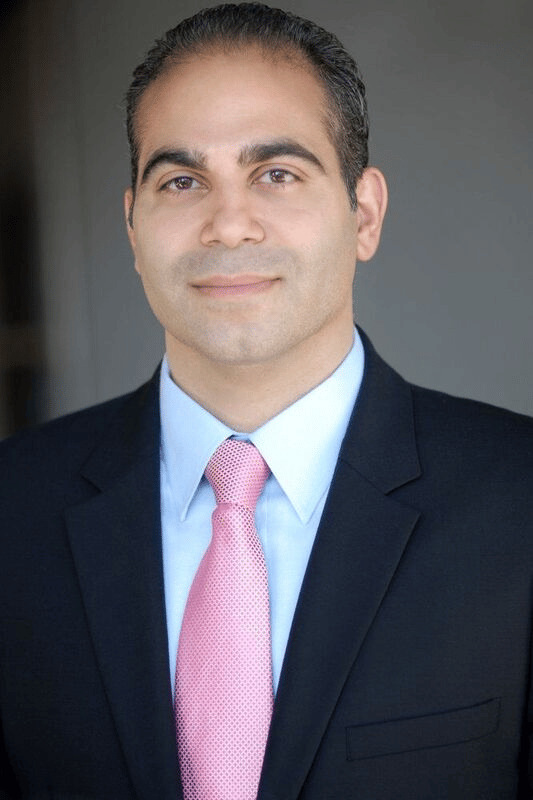
FAQ
Why is metronidazole no longer the default treatment for C. difficile?
Long used as reflexive first-line therapy, metronidazole monotherapy performs poorly against the hypervirulent ribotype 027 strain — patients are more than twice as likely to fail treatment and recur. Current guidelines favor vancomycin and fidaxomicin instead.Why did the name change from Clostridium to Clostridioides difficile?
The organism was reclassified into a different genus, Clostridioides, based on genetic and taxonomic differences from other clostridia. The familiar abbreviation "C. diff" still applies.What makes the ribotype 027 strain so dangerous?
It's a hypervirulent strain associated with higher toxin production, greater treatment failure and recurrence, and a higher risk of progression to severe outcomes such as toxic megacolon.How do PPIs increase C. diff risk?
Beyond being a risk association, proton pump inhibitors are discussed as a direct catalyst for C. diff virulence, which is why medication review and stewardship matter in at-risk patients.What is the difference between colonization and active infection?
Some patients carry C. diff without disease (colonization), while others have active, toxin-driven infection. Distinguishing the two is essential because testing a colonized patient can lead to over-treatment; the stepwise diagnostic algorithm is designed to separate them.What is the surgical gold standard for fulminant C. diff?
Total abdominal colectomy with an end ileostomy — removing the entire infected colon from cecum to rectum — remains the most evidence-supported operation for medically refractory fulminant disease. A colon-preserving loop ileostomy with antegrade colonic lavage is an alternative in selected patients.Which operation should never be performed for C. diff?
A partial or segmental colectomy. Even when part of the colon looks more affected than the rest, the disease involves the whole organ; partial resection carries a high reoperation rate and is described as a consistently fatal error.Medical Disclaimer
Colorectal Surgery Review is an educational program for clinicians and trainees and is not medical advice. Clinical decisions should be individualized and made in accordance with current guidelines and the judgment of the treating team.Keep exploring